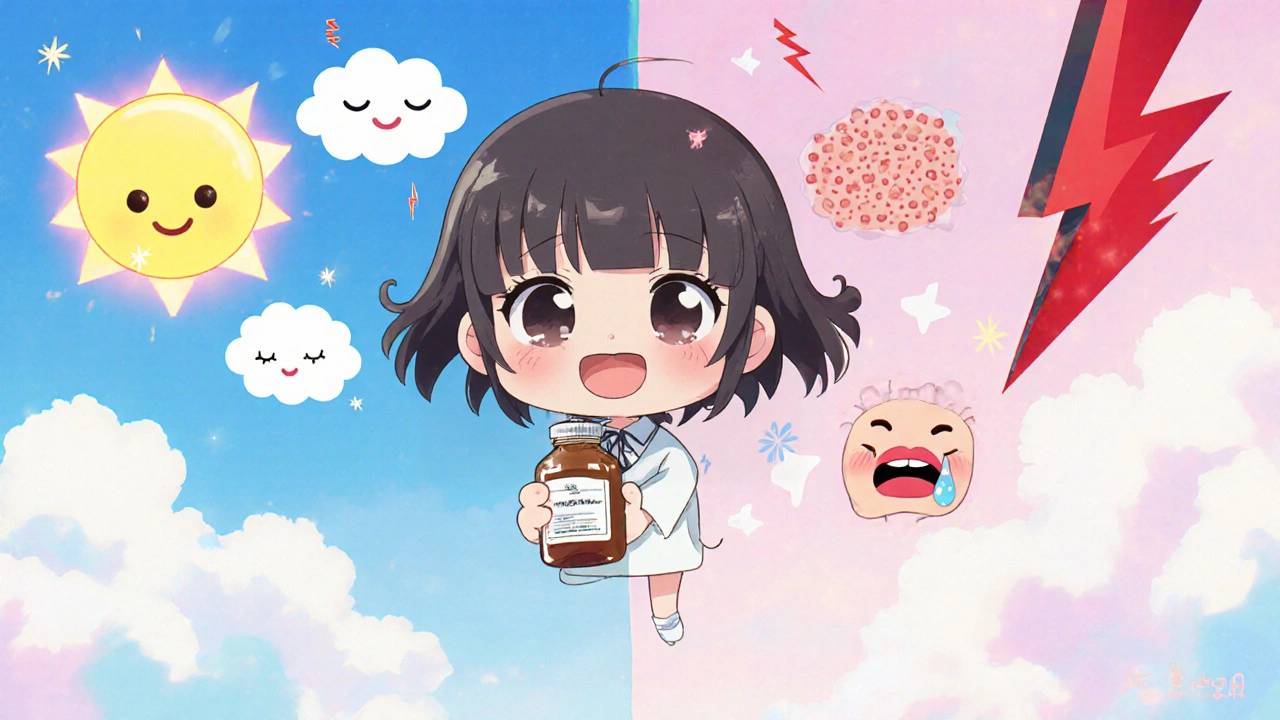
Drug Allergy: Symptoms, Triggers, and What to Do When Medications Cause Reactions
When your body treats a drug allergy, an immune system overreaction to a medication that can range from mild rash to life-threatening shock. Also known as drug hypersensitivity, it’s not just a side effect—it’s your immune system attacking something it thinks is dangerous. This isn’t the same as nausea from antibiotics or dizziness from blood pressure pills. A true drug allergy means your body has built a defense against the medicine, often after prior exposure. It can happen with anything—from penicillin to ibuprofen, even common over-the-counter pain relievers.
Some drugs are far more likely to trigger this kind of reaction. Penicillin, a widely prescribed antibiotic that causes the most common drug allergies is a top offender. So are sulfa drugs, used for infections and sometimes for autoimmune conditions, and NSAIDs, like aspirin and ibuprofen, which can cause reactions even in people without a history of allergies. Then there’s the scary one: anaphylaxis, a sudden, full-body allergic response that can block airways and drop blood pressure. It’s rare but demands immediate treatment. Many people don’t realize they’re allergic until they get a rash after a dose, or worse—end up in the ER after a first-time reaction.
What makes this even trickier is that some reactions look like allergies but aren’t. A rash from a virus might show up right after you take an antibiotic, making you think the drug caused it. Or you might feel dizzy after a new pill, but that’s just a side effect, not an immune response. Figuring out which is which matters because mislabeling yourself as allergic can limit your treatment options for years. If you’ve ever had swelling, hives, trouble breathing, or a severe rash after taking a medicine, that’s a red flag. Keep a list of what triggered it and when. Share it with every doctor you see.
The posts below cover real cases and practical advice from people who’ve been there. You’ll find how to tell the difference between a true allergy and a side effect, which drugs are most likely to cause trouble, what to do if you react, and how to safely manage your meds going forward. Some talk about how generic switching can confuse people—what if the new version triggers something the old one didn’t? Others explain how doctors test for allergies without putting you at risk. There’s even advice on what to say to a pharmacist when you’re unsure if a new pill is safe. This isn’t theory—it’s what works when your body says no to medicine you thought was harmless.

 Nov, 26 2025