
 Jan, 10 2026
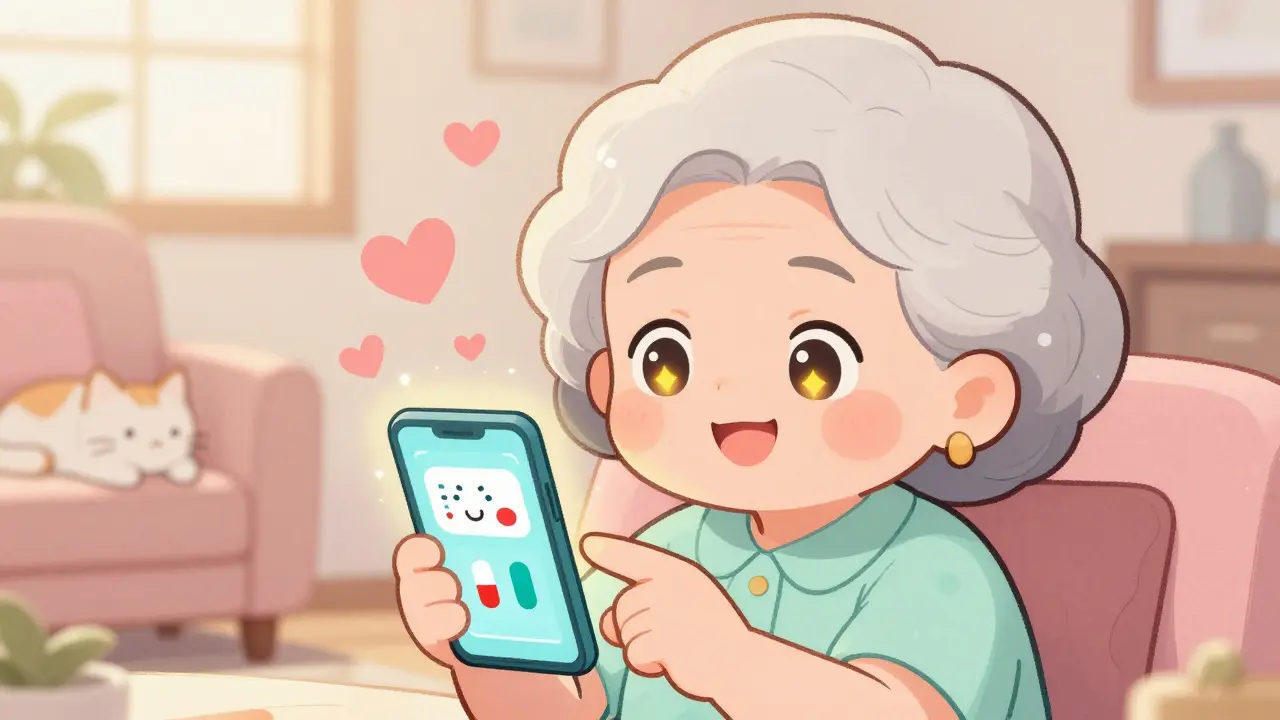
More than half of people taking medication for chronic conditions like high blood pressure, diabetes, or heart disease miss doses at least once in a while. It’s not laziness. It’s forgetfulness. Life gets busy. Pills get lost in the shuffle. Side effects make people want to stop. And without reminders, even the most well-intentioned patients fall behind. The result? Hospital visits, worsening conditions, and billions in avoidable healthcare costs. But there’s a simple, powerful tool most people already have in their pocket: a smartphone.
Why Medication Adherence Matters More Than You Think
Skipping a pill might seem harmless. But when it happens day after day, the impact adds up. The CDC estimates medication non-adherence costs the U.S. healthcare system between $100 billion and $289 billion every year. That’s not just money-it’s lives. People with high blood pressure who miss doses are far more likely to have strokes. Diabetics who skip insulin risk nerve damage, kidney failure, and amputations. Heart patients who don’t take their statins or beta-blockers face higher chances of heart attacks.
Studies show that even small improvements in adherence can cut hospitalizations by up to 30%. That’s why doctors, pharmacists, and researchers are turning to digital tools-not to replace human care, but to support it. Medication reminder apps don’t cure diseases. But they help people stick to the treatments that already work.
How Medication Reminder Apps Actually Work
These aren’t just alarm clocks with a pill icon. Modern apps like Medisafe and MyTherapy do way more than beep at you. They track when you take each medication, log how you’re feeling, warn you about dangerous drug interactions, and even sync with your pharmacy to refill prescriptions. Most work on both iOS and Android, require no special hardware, and sync across your phone, tablet, and sometimes even smartwatches.
Here’s how they function in real life:
- You add your medications-name, dose, time, frequency.
- The app sets reminders: morning, noon, night, or even multiple times a day for complex regimens.
- When it’s time, you get a notification. Some apps let you choose a custom sound, vibration pattern, or even a voice message.
- You tap "Taken" or "Skip". If you skip, the app may ask why and log it for you or your doctor to see later.
- Weekly or monthly reports show your adherence rate. Some apps even send summaries to your caregiver or pharmacist.
Advanced apps use AI to learn your habits. If you usually take your pill at 8:15 a.m. instead of 8:00, the app adjusts. If you miss a dose on a weekend, it might send a different reminder the next day. Some even connect to smart pill bottles that beep when opened, giving real-time data back to the app.
Apps That Actually Work-Based on Real Data
Not all apps are created equal. A 2025 review of 14 top medication apps found that only 12 had solid reminder features, and just 9 were designed for specific conditions like hypertension or diabetes. The most effective ones share three things: personalization, reliability, and simplicity.
Here are the top apps backed by clinical studies and user feedback:
- Medisafe: Used in NIH studies with medically underserved patients, it boosted adherence by 43% compared to no app. It supports over 10,000 medications, has drug interaction alerts, and lets caregivers monitor progress. Rated 4.7/5 on iOS.
- MyTherapy: Popular for its clean design and visual tracking. Users love the daily check-ins and mood logging. Works well for depression, diabetes, and heart conditions. Rated 4.6/5 on Google Play.
- Round Health: Built for complex regimens. Great for people taking 10+ pills a day. Integrates with pharmacy systems and can auto-fill refills.
- CareZone: More than a reminder app-it’s a medication organizer. Stores pill photos, insurance info, and doctor contacts. Useful for caregivers managing multiple people’s meds.
- Mango Health: Uses rewards and points to encourage adherence. You earn gift cards for taking pills on time. Works best for people motivated by small incentives.
Apps like MedApp-CHD and Smart-Meds are newer, condition-specific tools designed for heart patients. They include educational videos, symptom trackers, and even gamified challenges to keep users engaged. Early results show patients using these apps feel more in control of their health.
Who Benefits the Most-and Who Struggles
It’s easy to assume older adults won’t use apps. But a 2023 NIH study found that seniors in federally qualified health centers didn’t just use Medisafe-they stuck with it. The attrition rate was low. Why? Because the app was set up for them by a community health worker. The key wasn’t tech-savviness. It was support.
On the flip side, people with mild conditions often drop off. If you feel fine, why bother? That’s why apps that personalize reminders based on your beliefs and lifestyle work better. One study found that apps asking, "Why do you take this pill?" and then tailoring messages to your answer improved adherence more than generic alerts.
Still, barriers exist. About 30% of adults over 65 don’t own smartphones or feel comfortable using them. Low-income patients may have unreliable internet or data limits. And battery drain? Real. Some users report apps killing their phone’s battery overnight. Notifications that don’t go off? That’s a dealbreaker.
What to Look for in a Medication App
Not every app needs fancy AI. But here’s what actually makes a difference:
- Customizable reminders: Can you set different times for different pills? Can you snooze or reschedule?
- Drug interaction alerts: Does it warn you if your new cold medicine clashes with your blood pressure pill?
- Sync with your pharmacy: Can it send refill requests automatically?
- Offline access: Will it still work if your phone has no internet?
- Privacy and security: Does it use HIPAA-compliant encryption? Your health data shouldn’t be sold.
- Family access: Can a caregiver or spouse get alerts if you miss a dose?
Avoid apps that are just alarm clocks with a pill icon. They don’t track adherence, don’t log side effects, and don’t help you understand why your meds matter. Look for apps with clear help sections, multilingual support, and real user reviews.

How to Get Started Without Feeling Overwhelmed
Setting up your first app takes time. In one study, patients needed about 22 minutes to enter all their meds and set reminders. But after a single 15-minute walkthrough with a pharmacist or family member, 87% could do it alone. Here’s how to make it easy:
- Start with one medication-the one you forget most often.
- Use your pill bottle labels to enter names and doses accurately.
- Set reminders 15 minutes before your usual time. That gives you a buffer.
- Turn on notifications and don’t silence them.
- Check your adherence report every Sunday. Celebrate the days you got it right.
Don’t try to add everything at once. Focus on consistency. After 3-5 uses, the app becomes second nature.
The Future: AI, Smart Bottles, and Real-Time Help
Medication apps are getting smarter. Medisafe’s 2025 update now predicts when you’re likely to miss a dose based on your past behavior. If you skip Tuesday’s pill every time you go to work, the app might send a reminder the night before or even nudge your caregiver.
By 2027, 35% of apps are expected to connect to smart pill bottles or blister packs that send signals when opened. Imagine your app texting your doctor: "Patient didn’t open the insulin bottle this morning." That’s not sci-fi-it’s coming.
But tech alone won’t fix adherence. The most successful programs combine apps with human touch. A pharmacist calling to check in. A nurse reviewing your adherence report. A family member reminding you. The app is the tool. The people are the reason it works.
Final Thought: It’s Not About Technology. It’s About Trust.
Medication adherence isn’t a problem of forgetfulness. It’s a problem of connection. People don’t take pills because they don’t believe they matter. Or because they’re scared of side effects. Or because they feel alone in managing their health.
Good apps don’t just remind you. They remind you that someone cares. That your health matters. That you’re not just a number in a chart. The best digital tools make you feel seen-not tracked.
Try one. Pick the app that feels easiest. Start with one pill. See how it goes. If it helps, add another. You don’t need to be perfect. You just need to show up.
Do medication reminder apps really work?
Yes. Multiple studies show that apps like Medisafe and MyTherapy improve medication adherence by 30-43% compared to no intervention. Meta-analyses confirm they’re more effective than SMS reminders or alarm clocks. Effectiveness depends on personalization, consistent use, and integration with care teams.
Are these apps safe and private?
Top apps like Medisafe, MyTherapy, and CareZone are HIPAA-compliant. They use AES-256 encryption for stored data and TLS 1.2+ for data in transit. Always check the app’s privacy policy. Avoid apps that ask for unnecessary permissions or sell data. Stick to apps backed by hospitals or research institutions.
Can older adults use these apps?
Absolutely. A 2023 NIH study found that seniors in low-income communities not only used Medisafe, but stayed with it long-term. The key was having someone help with setup-like a pharmacist or community health worker. Once configured, most older users adapt quickly. Apps with large buttons, voice reminders, and simple interfaces work best.
What if I miss a dose? Will the app report me?
No. Apps don’t report you to your doctor unless you opt in to share data. Most let you mark a dose as "missed" and ask why-so you can reflect on your habits. Some apps allow you to share reports with caregivers or providers, but that’s always your choice. Privacy is built into the design of trusted apps.
Do I need a smart pill bottle to use these apps?
No. Most apps work perfectly with just your phone. Smart bottles are an add-on for advanced users or those in clinical trials. You can track adherence manually by tapping "Taken" after you swallow your pill. The app’s value comes from reminders and tracking-not hardware.
Are there free options?
Yes. Medisafe, MyTherapy, and CareZone all have free versions with core features: reminders, tracking, and drug interaction alerts. Premium upgrades unlock extra features like caregiver access or refill requests, but you don’t need them to improve adherence. Start with free. Upgrade only if you need more.
How long does it take to see results?
Most users see better adherence within 2-4 weeks. The app doesn’t change your behavior overnight-it helps you build a habit. Track your weekly adherence rate. If it climbs from 50% to 75%, you’re on the right path. Consistency matters more than perfection.
Windie Wilson
January 10, 2026 AT 15:15Oh wow, another app that’s gonna ‘fix’ my life by nagging me like a mom who found my candy stash. 🙄 I’ve got 12 pills a day, a cat that steals my glasses, and a phone that dies by 2 PM - tell me again how this ‘AI’ knows I’ll skip my blood pressure med because I ‘went to work’? Like, cool. I’ll just let my pharmacy call me every morning. Oh wait - they don’t care. Neither does my doctor. But sure, let’s blame the app for my forgetfulness.
Alex Fortwengler
January 11, 2026 AT 17:06These apps are just Big Pharma’s Trojan horse. They collect your pill data, sell it to insurers, then raise your premiums because you ‘missed’ a dose during a stressful week. I’ve seen the patents - they’re tied to CDC surveillance programs. And don’t get me started on smart bottles - those are RFID trackers disguised as medical tech. They’re watching you. They know when you open the bottle. They know if you threw it away. You think you’re in control? Nah. You’re a data point. And that ‘HIPAA-compliant’ nonsense? That’s just legal glitter on a surveillance drone.
Monica Puglia
January 12, 2026 AT 10:38I love how this post didn’t just list apps - it reminded us that adherence is about connection, not just alarms. 💙 My grandma started using Medisafe after I helped her set it up with her favorite song as the alert. Now she texts me every Sunday: ‘Got my pills, baby! Even took the weird green one!’ 🎉 It’s not about tech. It’s about someone saying, ‘I see you trying.’ And that? That’s magic. Start small. One pill. One reminder. One moment of care. You’ve got this.
Faith Wright
January 14, 2026 AT 06:41Wow, Alex, you really think Big Pharma is using pill apps to track us? 😒 Meanwhile, people are dying because they forget to take their insulin and you’re out here accusing the app of being a CIA tool. Let me guess - you also think the moon landing was faked because your phone’s battery dies too fast. Can we please stop treating every tech innovation like a dystopian thriller? The app doesn’t care if you skip your meds. Your body does. And it’s not gonna forgive you because you’re paranoid.
Rebekah Cobbson
January 15, 2026 AT 18:34For anyone feeling overwhelmed - start with ONE pill. Seriously. Pick the one you forget most. Set the reminder for 15 minutes before your usual time. Don’t try to add everything at once. I helped a friend do this last year - she went from 40% adherence to 90% in six weeks just by nailing her morning blood pressure pill. The app’s not the hero. You are. And you don’t need to be perfect. Just show up. Even once. That’s enough.
Audu ikhlas
January 16, 2026 AT 22:18USA again with their apps! In Nigeria we use our mothers and uncles to remind us - not some phone that beeps like a robot. You think your smartphone knows your body better than your auntie who sees you every Sunday? Hah! These apps are for weak people who forgot how to listen to family. And why do you need ‘HIPAA’? In my village, we just say ‘take your medicine’ and it’s done. No encryption. No AI. Just respect. You Americans overcomplicate everything. Even your pills!
laura manning
January 18, 2026 AT 06:10Let’s be precise: the 43% adherence improvement cited for Medisafe is derived from a single NIH-funded pilot study with a sample size of 187 participants, predominantly low-income, urban, and non-white - demographic factors that inherently correlate with higher baseline non-adherence rates. The control group was not randomized across socioeconomic strata, and the study’s primary endpoint was self-reported adherence - subject to significant recall bias. Furthermore, the 30-43% efficacy range conflates observational data with RCT results. Without longitudinal, multi-center, blinded trials, these claims remain anecdotal. Also: ‘gamified rewards’? That’s behavioral manipulation, not health intervention. And the ‘smart bottle’ projection? 35% by 2027? Source? Citation? Please. This post reads like a pharmaceutical whitepaper disguised as Reddit content.
Bryan Wolfe
January 19, 2026 AT 09:16Look - I get it. Some of you are tired of being told to ‘just take your pills.’ I’ve been there. I’ve missed doses. I’ve felt guilty. But here’s the thing: this isn’t about shame. It’s about systems that don’t work for real people. The app isn’t the enemy. The lack of support, the confusing regimens, the cost of meds - those are the enemies. So if Medisafe helps your grandma remember her pills? Great. If you’re a conspiracy theorist who thinks your phone is spying on you? Cool. Just don’t let that stop someone else from using it. And if you’re reading this and thinking, ‘I don’t deserve to feel better’? You do. One pill. One day. One reminder. You’re not broken. You’re just human. And you’re not alone.