
 Nov, 23 2025

When a patient walks out of the clinic with a new prescription, they’re not just getting a pill-they’re getting a promise. A promise that the medicine will work, that it won’t break the bank, and that their provider has their best interest at heart. But too often, that promise gets broken-not because the drug doesn’t work, but because the patient never takes it. Why? Because they don’t understand why they’re getting a pill that looks different, costs less, and has a name they’ve never heard of.
Why Providers Need to Step Up on Generic Medications
Generic drugs are not second-rate. They’re the same medicine, approved by the FDA, with the same active ingredients, same strength, and same way of working as brand-name drugs. The only real difference? Price. And sometimes, appearance. The FDA requires generics to prove they’re bioequivalent to the brand-name version. That means the body absorbs them at nearly identical rates. The data doesn’t lie: 90% of all prescriptions filled in the U.S. are generics. But they make up just 23% of total drug spending. That’s billions saved every year-money that stays in patients’ pockets and keeps them on their meds. Yet, patients still hesitate. A 2015 review found many still believe generics are weaker, less safe, or less effective. Why? Because they’ve never been told otherwise. And that’s where providers come in.The Real Cost of Not Talking About Generics
The biggest threat to patient health isn’t a bad drug-it’s a missed dose. A 2019 study of 1.4 billion prescriptions found that patients were 266% more likely to abandon a brand-name drug than a generic one. Why? Cost. Ninety percent of generic copays were under $20. For brand-name drugs? Only 39% were. That’s not a small gap-it’s a chasm. A $50 copay for a blood pressure pill can mean skipping a week. A $15 copay for the generic? They take it. And it’s not just about money. When patients switch from a brand to a generic, the pill might look different-different color, shape, or markings. Patients notice. They panic. “Is this the right medicine?” they ask. “Did they give me the wrong thing?” Without explanation, that confusion turns into distrust. And distrust turns into non-adherence. And non-adherence? That’s what leads to hospital visits, complications, and worse outcomes.What Providers Can Say-And How to Say It
You don’t need a 10-minute lecture. You need one clear, confident sentence. Try this: “This is the same medicine as the brand, but it’s cheaper. The FDA makes sure it works just as well. Many people save hundreds a year by switching.” That’s it. No jargon. No regulatory talk. Just facts, simply said. For patients who are nervous, add: “The pill might look different, but it’s not a different drug. It’s the same active ingredient, just made by a different company. The FDA checks every batch.” Pharmacists often hear this question: “Why does my pill look different now?” That’s a teachable moment. Providers who mention it upfront reduce confusion later. Tell patients before they get to the pharmacy. Say it in the exam room. Write it on the prescription note. And if the patient has been on a brand-name drug for years? Don’t assume they’re fine with the switch. Ask: “Have you ever had concerns about switching to a generic?” Let them talk. Listen. Then correct the myths.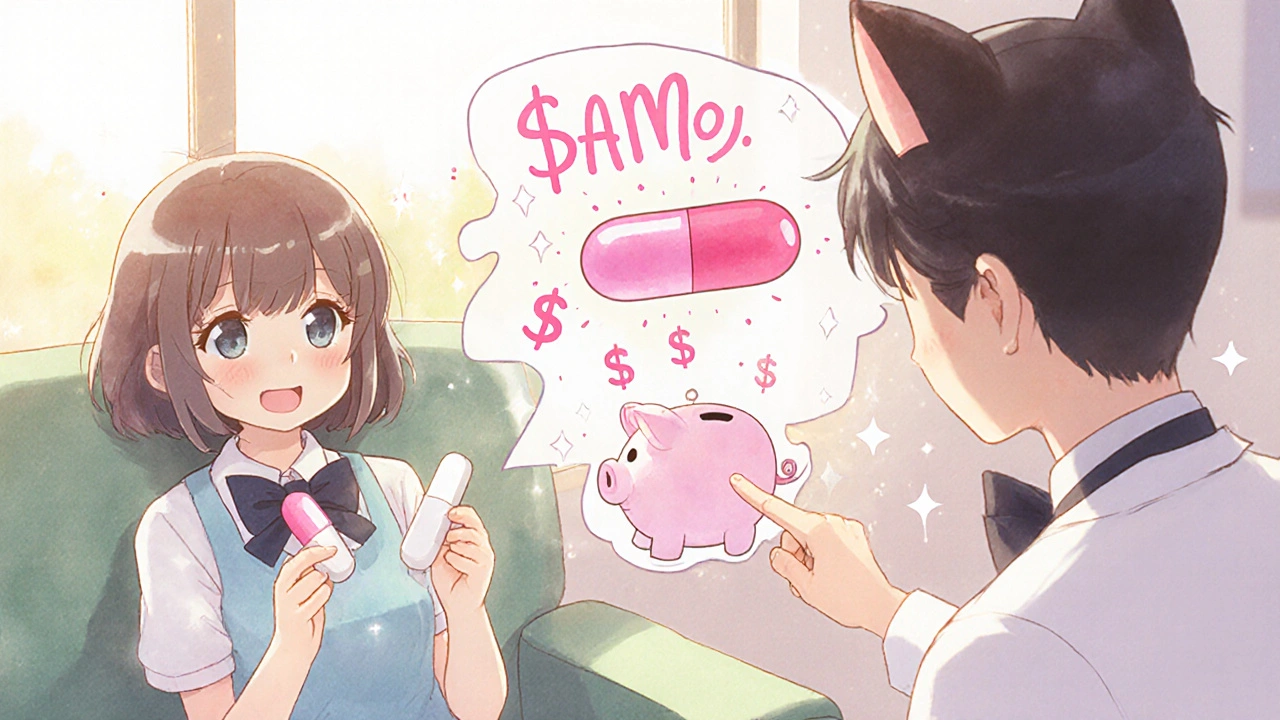
When Generics Aren’t the Answer
This isn’t about pushing generics at all costs. It’s about making the right choice for the patient. For drugs with a narrow therapeutic index-like warfarin, levothyroxine, or certain seizure meds-small differences in absorption can matter. That’s why some providers avoid automatic substitution. But even here, the issue isn’t the generic itself. It’s the switch. If a patient is stable on a brand, and switching offers no benefit, don’t switch. But if they’re struggling to afford it? Then talk about the generic. Explain that the FDA has approved multiple generic versions of these drugs. And that if one doesn’t work well for them, they can try another. The American Academy of Family Physicians says providers should never force substitution. But they also say providers must be advocates-considering both medical and financial needs. That means weighing cost, adherence, and clinical stability. Not just defaulting to the brand because it’s familiar.The Hidden Barriers Providers Overlook
It’s not just about talking. It’s about removing roadblocks. Many insurance plans require prior authorization for brand-name drugs-even when a generic exists. That can delay treatment by more than two days. The AAFP recommends eliminating prior authorizations for generics. Why? Because every day without medication increases risk. Also, don’t assume patients know their copay. Many don’t. A 2023 study showed that even when a generic is available, patients often don’t realize how much they’d save. Providers who mention cost at the time of prescribing see higher adherence. A simple line: “This generic will cost you $12. The brand is $48.” makes the choice obvious. And here’s something few providers think about: patients get switched between different generic manufacturers over time. One month, it’s blue. Next month, it’s white. That’s normal. But if patients aren’t warned, they think they’ve been given the wrong drug. Proactively explain: “Your pharmacy might switch which generic you get. The medicine is the same, just made by a different company.”
Why This Matters More Than Ever
Generic drug prices have started to rise for some essential medications. In 2023, the American Society of Health-System Pharmacists warned that certain generics-like insulin, antibiotics, and heart drugs-are becoming less available or more expensive due to supply chain issues and manufacturing consolidation. That doesn’t mean we stop advocating for generics. It means we advocate smarter. We need to know which generics are reliably priced and available. We need to check with our pharmacy networks. We need to ask: “Is this generic still affordable?” And we need to be ready to switch back to the brand-if the generic becomes unreliable or too expensive. Advocacy isn’t about pushing the cheapest option. It’s about pushing the best option for the patient.What Success Looks Like
Success isn’t just prescribing a generic. It’s seeing a patient refill their medication month after month. It’s hearing them say, “I didn’t think I could afford this, but now I can.” It’s preventing a hospital visit because they didn’t miss a dose. One provider in Texas started asking every patient: “Do you know this is a generic? Would you like me to explain why it’s safe?” Within six months, refill rates for chronic condition meds jumped 18%. No new drugs. No new tech. Just better communication. That’s the power of advocacy.Final Thought: You’re Not Just Prescribing. You’re Protecting.
Patients trust you. More than they trust ads. More than they trust online reviews. They trust you to tell them the truth. When you explain why a generic is safe, you’re not saving money for the system. You’re saving health for the person. You’re telling them: “I care enough to make sure you can take this every day.” That’s what patient advocacy looks like.Are generic drugs really as effective as brand-name drugs?
Yes. The FDA requires generic drugs to have the same active ingredient, strength, dosage form, and route of administration as the brand-name version. They must also prove they’re bioequivalent-meaning the body absorbs them at nearly the same rate and to the same extent. Studies show no meaningful difference in effectiveness or safety between approved generics and their brand-name counterparts.
Why do generic pills look different from brand-name pills?
Generic drugs can have different inactive ingredients-like dyes, fillers, or coatings-which change the pill’s color, shape, or size. These differences don’t affect how the medicine works. But they can confuse patients who expect their pill to look the same every time. Providers should explain this upfront to avoid misunderstandings.
Can switching to a generic cause side effects?
Side effects from switching are rare and usually tied to inactive ingredients, not the active drug. For example, someone allergic to a dye in one generic version might react-but that’s not the medicine itself. If a patient reports new symptoms after switching, evaluate whether it’s the drug or the filler. Most patients tolerate generics without issue.
Should I always prescribe generics over brand-name drugs?
Not always. For drugs with a narrow therapeutic index-like warfarin, levothyroxine, or some seizure medications-switching between generics or from brand to generic can require careful monitoring. But even then, generics are often safe and appropriate. The key is individualizing care: if the patient is stable on a brand, and cost isn’t an issue, there’s no need to switch. If cost is a barrier, generics are the better choice.
What if my patient refuses a generic because they don’t trust it?
Listen first. Don’t argue. Ask why they’re hesitant. Often, it’s based on a rumor or a bad experience with a different pill. Then share facts: “The FDA tests every generic before it’s sold. It’s the same medicine, just cheaper.” If they’re still unsure, offer to try a small supply first. Or ask the pharmacist to explain it to them. Trust in your recommendation often overrides their doubts.
Do generics cost less because they’re made in lower-quality facilities?
No. The FDA inspects all manufacturing facilities-brand and generic-using the same standards. Many generic drugs are made in the same plants as brand-name versions. The cost difference comes from not having to repeat expensive clinical trials. The drug is proven. The manufacturing is regulated. The savings are real, not because of lower quality.
How can I help patients understand the cost difference?
Be specific. Don’t say “it’s cheaper.” Say, “This generic costs $15. The brand costs $50. That’s $420 less per year.” Use numbers. Show them. Many patients don’t realize how much they’re paying. When they see the math, switching becomes obvious. Some clinics even print out cost comparisons to hand to patients at the time of prescribing.
Douglas cardoza
November 24, 2025 AT 16:13I used to think generics were sketchy until my dad started taking the generic version of his blood pressure med. Same pill, same results, but he saved $300 a month. Now he laughs at people who pay full price for brand names. Just tell patients the truth - it’s not magic, it’s math.
And yeah, the pills look different. So what? My coffee cup changes color every week and I don’t freak out.
Adam Hainsfurther
November 26, 2025 AT 12:39There’s a deeper issue here than just cost. The system trains patients to equate price with quality. A $50 pill feels more legitimate than a $12 one, even when the science says otherwise. That’s not ignorance - it’s conditioning. Providers have to break that cycle by normalizing generics as the default, not the compromise.
And we need to stop treating patients like children who can’t handle the truth. They just need clear, consistent messaging - not a lecture on FDA regulations.
Rachael Gallagher
November 26, 2025 AT 13:51Generics are a scam. Big Pharma owns the FDA. They let the cheap pills through so they can jack up prices on the brand names later. You think your ‘same medicine’ is safe? Wait till you see the batch numbers. They’re all made in the same Chinese factory anyway. Don’t trust the system.
steven patiño palacio
November 28, 2025 AT 07:01This is one of the most important conversations in primary care, and yet it’s the most neglected. We spend hours discussing drug interactions but skip the simple step of explaining why a patient’s new pill looks different.
Providers who take 30 seconds to say, ‘This is the same medicine, just cheaper,’ see better adherence, fewer ER visits, and more trust. It’s not complicated. It’s just not prioritized.
Also, writing ‘generic’ on the prescription note helps pharmacists reinforce the message. Small changes, huge impact.
Victoria Stanley
November 30, 2025 AT 00:50One of my patients told me she stopped her diabetes med because the pill was green instead of blue. She thought she’d been given the wrong thing. I laughed at first… then cried. We have to do better.
I now print out a little card for every generic script: ‘This is the same medicine. Different color, same effect. FDA approved.’ I hand it to them with the bottle. It’s stupid simple - and it works.
Try it. You’ll be shocked how many people just needed someone to say it out loud.
Andy Louis-Charles
December 1, 2025 AT 23:53Just a quick note - if you’re prescribing a generic for a narrow therapeutic index drug like levothyroxine, always specify ‘dispense as written’ on the script. Some states allow automatic substitution, and even a tiny variation can throw someone off.
Also, if your pharmacy switches brands mid-month, tell the patient ahead of time. ‘Hey, your next refill might look different - same medicine, different maker.’
Small heads-up = zero panic.
👍
Akash Chopda
December 3, 2025 AT 02:51Generics are controlled by the shadow government. The FDA is a front. The pills are laced with microchips to track your compliance. You think they care if you take your meds? They care if you obey. Look at the barcode on the bottle. It's not for inventory. It's for you.
Nikki C
December 3, 2025 AT 15:46People don’t distrust generics because they’re stupid. They distrust them because they’ve been lied to for decades.
Drug ads scream ‘NEW! IMPROVED! PREMIUM!’ while generics sit in the corner like the quiet kid in class. No wonder they think the blue pill is the real one.
Providers have to flip the script. Not just explain - reframe. This isn’t cheaper. This is smarter.
Alex Dubrovin
December 4, 2025 AT 16:54My grandma took a generic heart med and got dizzy. She blamed the pill. Turned out she was dehydrated. But now she won’t touch any generic. I get it. Fear doesn’t care about data.
Just tell them upfront. No jargon. No fluff. Say it like you mean it. They’ll believe you more than any ad.
Jacob McConaghy
December 5, 2025 AT 03:12Let’s be real - the biggest barrier isn’t patient fear. It’s provider laziness.
We don’t talk about generics because it takes 10 extra seconds. We don’t write notes on the script because we’re rushing. We don’t check copays because ‘they’ll figure it out.’
But that’s not care. That’s negligence wrapped in a white coat.
Stop waiting for patients to ask. Lead. Explain. Educate. It’s your job.
Natashia Luu
December 5, 2025 AT 12:12It is profoundly irresponsible to encourage the use of generic pharmaceuticals without first ensuring that the patient possesses a comprehensive understanding of the pharmacokinetic and pharmacodynamic equivalence protocols established by the Food and Drug Administration. To do otherwise constitutes a breach of the ethical duty of informed consent, and potentially exposes the practitioner to legal liability. The casual dismissal of brand-name medications as ‘just as good’ is not only scientifically imprecise - it is ethically indefensible.