
 Apr, 4 2026

The core problem is that insurance companies and pharmacies have different pricing structures for different types of meds. A local pharmacy is great for a quick antibiotic, but it's often the most expensive way to get a long-term blood pressure pill. Mail-order services, on the other hand, love those long-term pills but are useless if you need a prescription tomorrow morning. The trick is knowing which drug goes where.
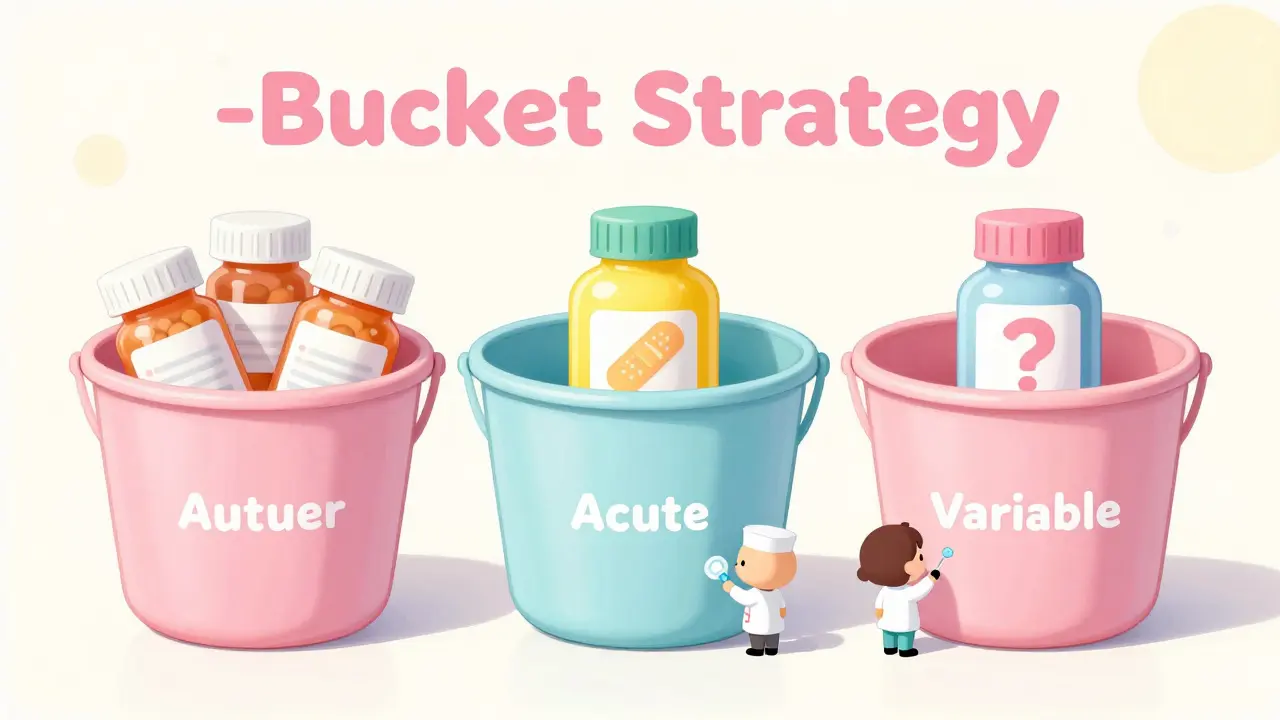
The Three-Bucket Strategy for Sorting Your Meds
To make this work, you can't just guess. You need to categorize every medication you take into one of three "buckets." This approach, recommended by experts at Consumer Reports, removes the guesswork and ensures you aren't paying a premium for convenience you don't need.
- The Maintenance Bucket: These are drugs you take every day for years, like statins for cholesterol or metformin for diabetes. These are prime candidates for mail-order because they usually offer 90-day supplies at a steep discount.
- The Acute Bucket: These are short-term fixes, like a 10-day course of antibiotics for a sinus infection or a steroid cream for a sudden rash. These always go to the local pharmacy because you need them immediately.
- The Variable Bucket: These are medications where the dose might change frequently, such as certain antidepressants or blood thinners. Keep these local. If your doctor tweaks your dose, you don't want 80 pills of the wrong strength sitting in your mailbox.
Why Mail-Order Usually Wins on Cost
Insurance companies push mail-order because it cuts their administrative overhead by about 15-20%. To get you to switch, they pass some of those savings to you. When you use a Mail-Order Pharmacy, which is a pharmacy service that dispenses prescriptions and ships them directly to a patient's home, typically in 90-day supplies, you often move into a more favorable pricing tier.
For example, a Medicare Part D plan might charge you $45 for a 30-day supply at a retail store, but only $115 for a full 90-day supply via mail. If you do the math, you're saving about 24% just by changing the delivery method. In some cardiovascular drug categories, the savings can jump as high as 35%.
| Feature | Local Retail Pharmacy | Mail-Order Pharmacy |
|---|---|---|
| Typical Supply | 30 Days | 90 Days |
| Wait Time | Same-day / Next-day | 7-14 Business Days |
| Best For | Acute/Variable Meds | Maintenance Meds |
| Consultation | Face-to-face Pharmacist | Phone/Online Support |
| Cost Potential | Higher (per pill) | Lower (per pill) |
The "Hidden" Local Option: 90-Day Retail Fills
Here is where a lot of people leave money on the table. Many people assume that "90-day supply = mail order." That isn't always true. Many insurance providers, including those using Caremark (a major pharmacy benefit manager), allow you to get a 90-day supply at a local retail pharmacy for the same low price as mail-order.
Why does this matter? Because it gives you the cost savings of the 90-day fill without the risk of your meds getting lost in the mail or sitting in a hot delivery truck. Biologics and insulin, for instance, can lose potency if they aren't temperature-controlled. If you're using a local pharmacy for these, you eliminate the shipping risk while still keeping the bulk-buy discount. Always ask your pharmacist: "Can I get a 90-day supply here using my mail-order pricing?"
Setting Up Your Coordination System
If you just switch to mail-order and forget about it, you'll eventually run out of meds while waiting for the mail. Coordination requires a simple system to prevent gaps in your treatment.
- Audit Your Formulary: Check your insurance "formulary" (the list of covered drugs). Look for Tier 2 and Tier 3 medications. These are often where the biggest price gaps exist between retail and mail-order.
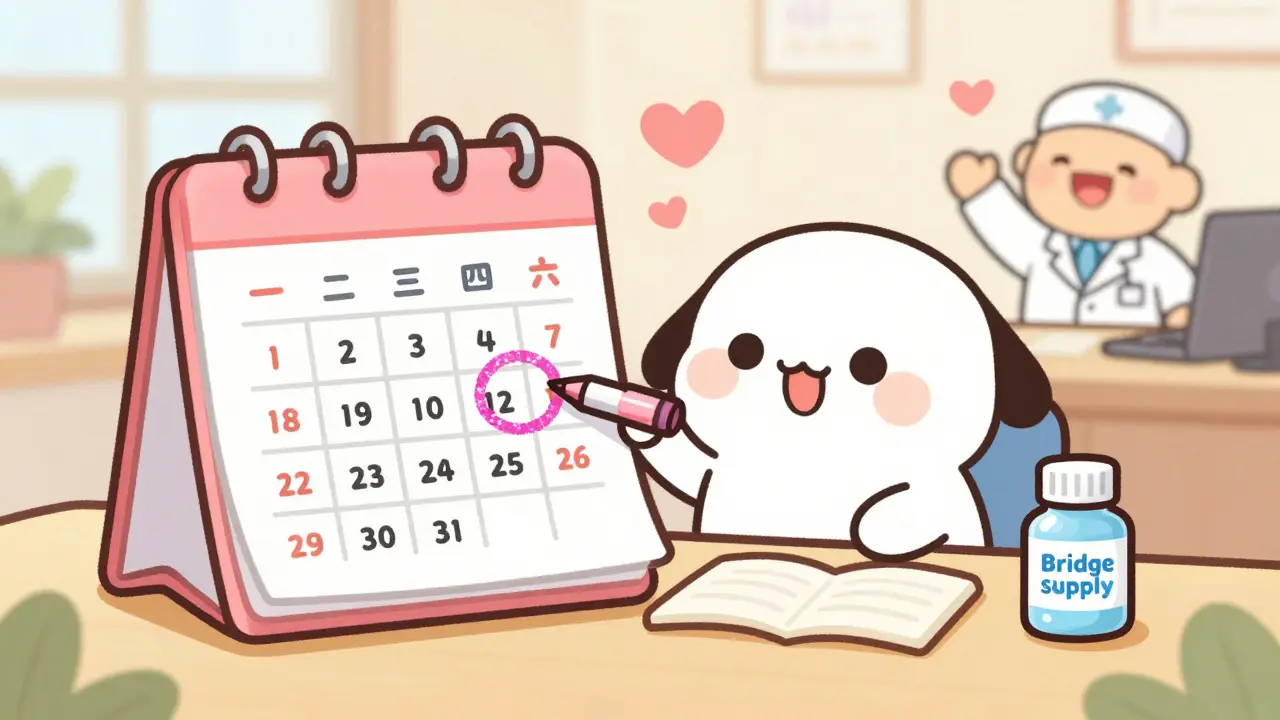
- The 14-Day Rule: Never wait until you have three pills left to order from a mail-order service. Set a calendar reminder for 14 days before your medication runs out. This gives the pharmacy time to process the request and the post office time to deliver.
- Keep a "Bridge" Supply: If you're switching a maintenance drug from local to mail-order for the first time, ask your doctor for a one-time 15-day "bridge" prescription at the local pharmacy. This ensures you don't miss a dose if the first mail-order shipment is delayed.
- Annual Pharmacy Review: Once a year, sit down with your local pharmacist. Even if you use mail-order for most things, a local pharmacist can suggest generic alternatives or discount programs (like the $4 generic lists at some big chains) that might actually be cheaper than your insurance copay.
Common Pitfalls to Avoid
It sounds simple, but a few things can go wrong. One major issue is "system lag." If your doctor changes your dose in their electronic health record, the mail-order pharmacy might not see that update immediately. You could end up with a 90-day supply of a dose you no longer need, which is a waste of money and a potential health risk.
Another trap is the "preferred pharmacy" clause. Some insurance plans are extremely strict; if you use a non-preferred local pharmacy for a drug that *could* be mail-ordered, they might only cover a fraction of the cost. Always verify if your local pharmacy is "in-network" for your specific plan's 90-day benefit.
Is mail-order always cheaper than a local pharmacy?
Not always. While mail-order is typically cheaper for maintenance generics, some commercial insurance plans actually charge higher copays for specialty medications that require complex handling or refrigeration. Always check your specific plan's formulary before switching.
How long does it usually take for mail-order meds to arrive?
Generally, it takes between 7 to 14 business days. This includes the time for the pharmacy to process the prescription, dispense the medication, and ship it via courier.
What happens if my dose changes while I have a 90-day supply?
This is the biggest risk of mail-order. If your dose changes, you should contact your insurance company to see if they will cover a new shipment. This is why variable-dose medications are better handled at a local pharmacy.
Can I get 90-day supplies at my local drugstore?
Yes, many insurance plans allow 90-day fills at preferred retail pharmacies for the same price as mail-order. You just need to ask your pharmacist to process it as a 90-day fill rather than three separate 30-day fills.
How do I know if a drug is a "maintenance" medication?
Maintenance medications are those used to treat chronic conditions that require long-term, consistent use-such as hypertension, high cholesterol, or diabetes. If you expect to take the drug for a year or more, it's likely a maintenance medication.
Next Steps for Your Savings Plan
If you're ready to start saving, start with a simple audit. List every medication you take and put a letter next to it: 'M' for Maintenance, 'A' for Acute, or 'V' for Variable. Take that list to your insurance provider's member portal and compare the copay for a 30-day retail fill versus a 90-day mail fill. You'll likely find a few "quick wins" where switching a single drug to mail-order can save you $100 or more per year immediately.