
 Dec, 19 2025

More than 90% of prescriptions filled in the U.S. are for generic drugs. Yet, nearly 4 in 10 patients still believe generics are less effective-or more likely to cause side effects-than their brand-name counterparts. This isn’t about chemistry. It’s about perception. And that perception can literally change how a patient feels, even when the pill is identical.
Why Patients Feel Worse on Generic Drugs
Let’s say you’ve been taking brand-name sertraline for anxiety. Your doctor switches you to the generic version. Within days, you start feeling dizzy, nauseous, and more anxious than before. You didn’t change your dose. Your blood levels of sertraline are exactly the same. So why do you feel worse?
The answer isn’t in the pill. It’s in your head.
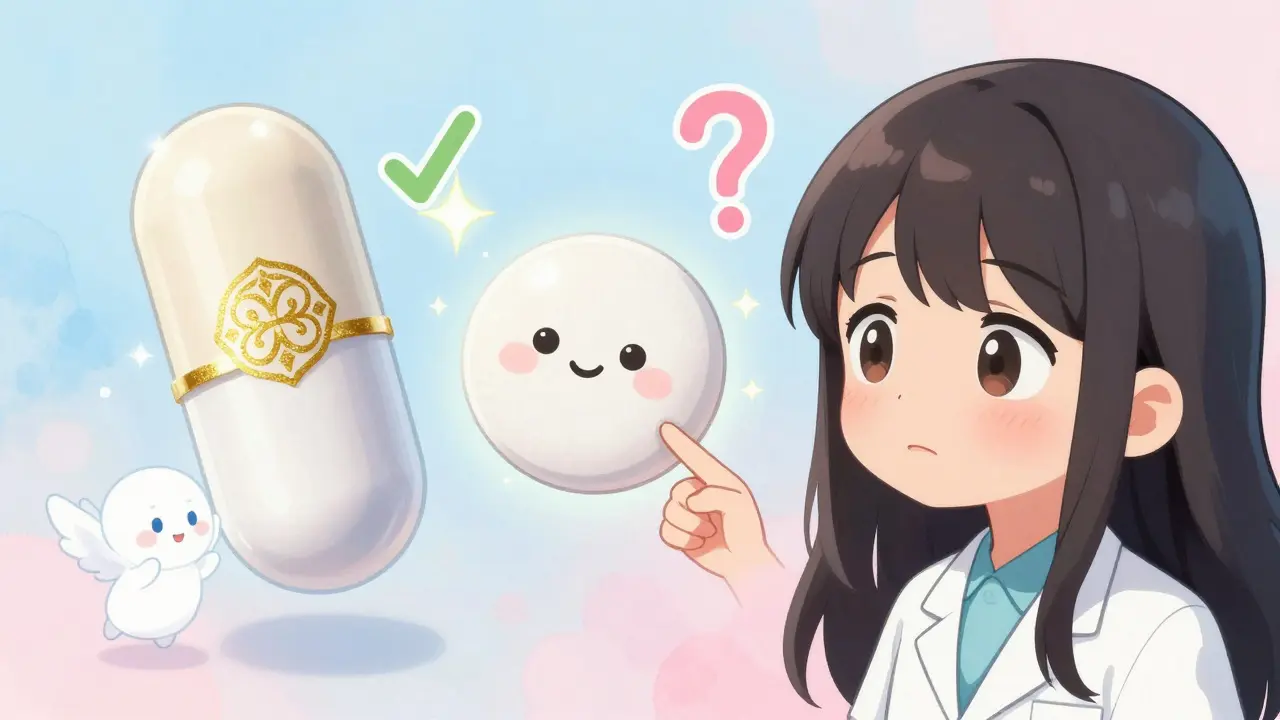
This is the nocebo effect: when negative expectations about a treatment cause real, measurable symptoms-even when the treatment has no active harm. A 2025 study gave healthy volunteers a fake nasal spray. One group was told it was a cheap generic. Another was told it was an expensive brand. Both got the same inactive solution. The group told it was generic reported significantly more side effects. Not because the spray did anything. But because they expected it to.
It’s not just about price. Packaging matters too. In another study, people using a fake anti-itch cream in a sleek blue box (designed to look premium) reported more pain sensitivity than those using the exact same cream in a plain orange box labeled as generic. The cream had no active ingredient. But the box made all the difference.
This isn’t rare. A 2023 study in PLOS Medicine found that even when generics are made in the same factory as the brand-name drug-identical in every chemical way-patients still report more side effects on the generic version. The only difference? The label.
How the System Feeds the Problem
The healthcare system unintentionally reinforces these fears. When a patient gets a generic, they often hear: "We’re switching you because it’s cheaper." That’s true. But it’s not the full story. And when the message is just about cost, patients hear: "This is the low-quality version."
Pharmacies sometimes swap brands without telling patients. A patient takes their usual pill, sees a different color, shape, or imprint, and assumes something’s wrong. They Google it. They read Reddit threads where others say, "I switched to generic and it ruined my life." They start scanning their body for symptoms they never noticed before.
Even doctors can contribute. When a patient complains of side effects after a switch, some providers say, "It’s probably just the generic. Try going back to the brand." That validates the fear. It tells the patient: "You were right to be worried."
And then there’s media. In 2017, New Zealand changed the brand of venlafaxine. Initially, no spike in side effect reports. Then a news story aired. Within weeks, reports tripled. The drug hadn’t changed. The fear had.
What Bioequivalence Really Means
Every generic drug must meet strict FDA standards. It must contain the same active ingredient, in the same strength, in the same form (tablet, capsule, etc.), and deliver it into the bloodstream at the same rate and amount as the brand-name version.
The FDA requires that the amount of drug absorbed-measured as AUC and Cmax-must fall within 80% to 125% of the brand’s levels. That’s not a wide margin. It’s tight. It means 95% of patients will have blood levels within 10% of what they had on the brand. For most drugs, that’s clinically identical.
But patients don’t hear that. They hear: "It’s not the same." And when they expect side effects, their brain starts interpreting normal sensations as problems. A slight headache? Must be the generic. A little fatigue? Must be the generic. Even mood swings or mild dizziness get blamed on the pill-even though those same symptoms happened before, just never got noticed.
How to Talk to Patients About Generics
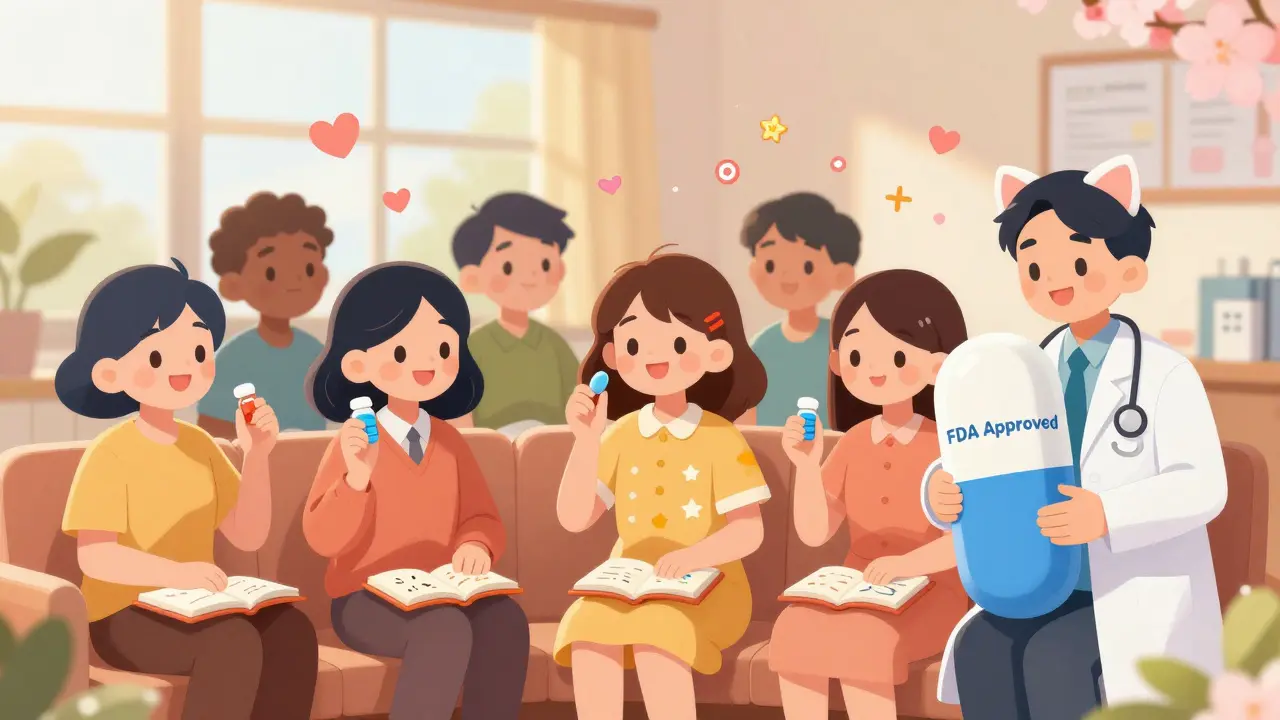
Here’s what works: clear, calm, confident communication. Don’t just say, "This is cheaper." Say:
- "This generic has the exact same active ingredient as the brand you were taking. It’s not a different drug-it’s the same one, just made by a different company."
- "The FDA requires it to work just as well. Studies show patients do just as well on generics, even when they don’t know which one they’re taking."
- "Some people worry about side effects after switching, but that’s often because they expect them-not because the medicine is different. If you notice anything new, let’s talk about it. But don’t assume it’s the pill."
Use positive framing. Instead of saying, "Possible side effects include nausea, dizziness, and headache," say, "Most people tolerate this medication well. A small number may feel a little dizzy at first, but it usually passes in a few days."
When possible, show the numbers. A 2022 study found that when patients were told switching to a generic could save them over $3,000 a year-alongside reassurance about effectiveness-nocebo effects dropped by 37%. Money matters, but only when paired with trust.
When to Avoid Switching
Not every patient should be switched. Some are more vulnerable to nocebo effects than others. People who:
- Have a history of anxiety or somatic symptom disorder
- Have had bad experiences with generics before
- Score high on the Beliefs about Medicines Questionnaire (BMQ)-especially if they worry a lot about side effects
These patients may benefit from staying on the brand, especially if they’re stable. It’s not about cost. It’s about outcomes. If a patient is doing well on a brand, and switching causes distress-even if it’s psychological-it’s not worth the savings.
Also, avoid switching during stressful life events: after a diagnosis, during job loss, or while dealing with grief. The mind is already on high alert. Adding a medication change can tip the scale.
What Pharmacies and Systems Are Doing Right
Kaiser Permanente now has a standard script for pharmacists when switching a patient to a generic:
"This medication contains the exact same active ingredient as what you were taking before. Studies show patients do just as well on the generic version. If you notice anything unusual, we’re here to help."
That’s it. No jargon. No scare tactics. Just facts, reassurance, and an open door.
Some health systems are also using "branded generics"-packaging that looks more like the original brand. Not to trick patients, but to reduce the visual shock of change. The EMA discourages this if it causes confusion, but acknowledges that if packaging differences cause unnecessary anxiety, they should be minimized.
What Patients Can Do
If you’re worried about switching:
- Ask your doctor: "Is this generic the same as my old pill?" Then ask: "Has anyone had problems with it?"
- Check the pill’s imprint code online. You’ll see it’s the same active ingredient.
- Don’t Google side effects right after switching. Give it two weeks. Your body needs time to adjust to any change-even if it’s not the drug.
- Keep a simple journal: "Day 1: felt a little tired. Day 3: headache. Day 5: back to normal." You’ll often see the symptoms fade.
- Remember: if you felt fine on the brand, your body already knows how to handle this drug. The pill didn’t change. Your expectations did.
The Bigger Picture
This isn’t just about pills. It’s about trust in medicine. When patients believe generics are inferior, it undermines confidence in the whole system. It drives up costs. It makes people avoid treatment because they fear side effects that aren’t real.
But the opposite is true too. When patients are informed, reassured, and treated as partners-not just recipients of prescriptions-they respond better. They take their meds. They feel better. They save money.
Generics aren’t a compromise. They’re the standard. They’re safe. They’re effective. And they’re what keeps healthcare affordable for everyone.
The challenge isn’t in the chemistry. It’s in the conversation.
Do generic drugs really work the same as brand-name drugs?
Yes. The FDA requires generics to have the same active ingredient, strength, dosage form, and route of administration as the brand-name drug. They must also deliver the same amount of medicine into the bloodstream at the same rate. Studies show that 90% of patients respond identically to generics and brands. The differences are in packaging, color, or inactive ingredients-not effectiveness.
Why do I feel worse after switching to a generic?
You’re likely experiencing the nocebo effect. When you expect side effects-because the pill looks different, costs less, or you heard others had problems-your brain starts noticing normal sensations like fatigue or mild headaches and blames them on the medication. These symptoms aren’t caused by the drug. They’re caused by your expectations. Many people feel better after a few days once their mind adjusts.
Can a generic drug have different side effects?
The active ingredient-and therefore the side effect profile-is identical. But the inactive ingredients (fillers, dyes, coatings) can differ. These rarely cause problems, but in rare cases, someone may be sensitive to a dye or preservative. If you suspect this, talk to your doctor. But most side effects reported after switching are due to perception, not chemistry.
Should I always stick with the brand if I’m worried?
If you’re stable on a brand and switching causes anxiety or perceived side effects, staying on it is reasonable. But don’t assume the generic won’t work. Many people switch without issue. Talk to your doctor about your concerns. You can try the generic again later with better support. The goal is to find what works for you-not to avoid generics out of fear.
How can I tell if my generic is really the same?
Look up the pill imprint code on the FDA’s National Library of Medicine website or use apps like Drugs.com or WebMD’s Pill Identifier. You’ll see the active ingredient matches your brand. Also, check the manufacturer. Some generics are made by the same company that makes the brand. These are called "authorized generics" and are identical in every way.
Do insurance companies force me to use generics?
Many insurance plans require generics unless there’s a medical reason not to. But your doctor can request a brand if you’ve had problems with generics before. You can also ask for a prior authorization. It’s not about forcing you-it’s about making care affordable. But your comfort matters too. Speak up if you’re concerned.
What Comes Next
Future research is looking at brain scans to see how expectations change neural activity when patients take generics. We’re also developing tools to quickly spot who’s most at risk for nocebo effects-so doctors can tailor their approach.
For now, the best tool you have is honest, calm conversation. Don’t dismiss fears. Don’t over-explain. Just say: "I get why you’re worried. Let’s make sure this works for you."
Because the truth is simple: the pill doesn’t change. But your belief in it can.
Nancy Kou
December 19, 2025 AT 11:42Tim Goodfellow
December 20, 2025 AT 06:34Elaine Douglass
December 20, 2025 AT 13:25Lynsey Tyson
December 21, 2025 AT 04:24Hussien SLeiman
December 21, 2025 AT 19:46jessica .
December 22, 2025 AT 02:13shivam seo
December 22, 2025 AT 19:21Takeysha Turnquest
December 23, 2025 AT 23:15Emily P
December 25, 2025 AT 04:13Vicki Belcher
December 25, 2025 AT 11:54Jedidiah Massey
December 27, 2025 AT 02:44Allison Pannabekcer
December 28, 2025 AT 02:01pascal pantel
December 28, 2025 AT 06:58Hussien SLeiman
December 29, 2025 AT 20:35