
 Jan, 3 2026
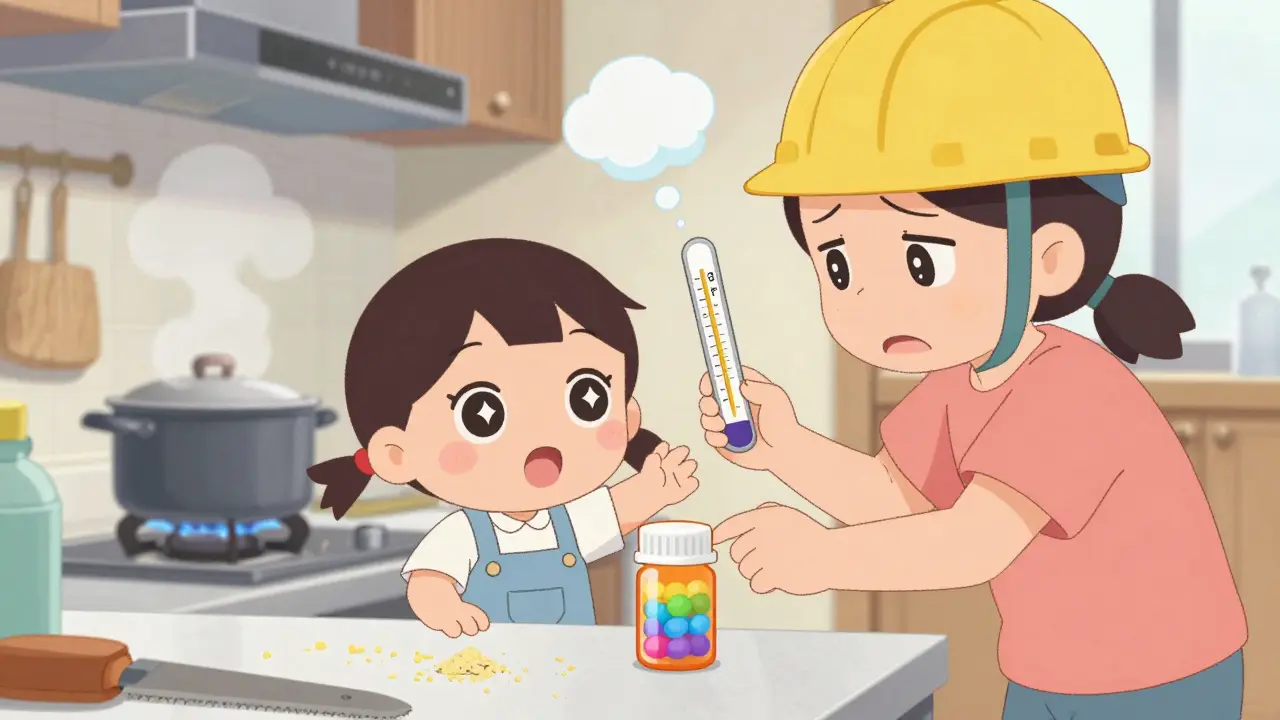
When you’re tearing down walls or packing up boxes, your medications aren’t just another item to toss in a box. They’re life-saving, temperature-sensitive, and potentially dangerous if they fall into the wrong hands. Whether you’re remodeling your kitchen or relocating across town, medication storage during these transitions isn’t optional-it’s critical.
Why Medications Are Vulnerable During Moves and Renovations
Most people don’t think about their pills until they’re out. But during renovations or moves, medications face three big risks: temperature damage, moisture exposure, and unauthorized access. A study from Consumer Reports found that 100% of non-refrigerated medications lose potency when exposed to humidity or heat above 77°F. That means leaving your blood pressure pills in a hot garage while you’re sanding floors could render them useless. And if you’ve got opioids, benzodiazepines, or insulin packed in a box next to your tools? A curious child, a houseguest, or even a thief could access them.Where to Store Medications During Renovations
If you’re renovating your bathroom or bedroom-the usual spots for medicine cabinets-you need a backup location. Don’t pick the kitchen. Too much steam from cooking and dishwashing can ruin pills. Avoid the basement. It’s damp. Stay away from windowsills. Sunlight breaks down active ingredients. Instead, pick a cool, dry, locked space. A hall closet, a bedroom dresser drawer, or even a locked fireproof box in a room that’s not being worked on works best. The ideal temperature range is 59°F to 77°F. Use a simple thermometer to check. If your home’s HVAC system is off during renovations, consider a small portable climate monitor. You can get one for under $20 online. Keep all medications in their original bottles. Labels have dosage info, expiration dates, and prescribing doctor details. If you toss pills into a Ziploc bag, you’re risking a dangerous mix-up. Even if you think you’ll remember which is which, stress and chaos make memory unreliable.How to Pack Medications for a Move
Packing meds for a move is like packing fragile electronics. You need protection, organization, and visibility. Start by sorting: keep a separate bag or box for medications you take daily. Put them in a carry-on or a small tote you take with you, not in a moving truck. For long-distance moves, this is non-negotiable. If your movers delay your shipment, you won’t be left without insulin, heart meds, or seizure drugs. For refrigerated meds like insulin, GLP-1 agonists, or certain biologics, you need temperature control. Use a small insulated cooler with ice packs. Don’t let the meds freeze-frozen insulin is ruined and can’t be thawed safely. Check the manufacturer’s guidelines: most say to keep them between 36°F and 46°F. A digital thermometer inside the cooler helps you track it. Label everything. Use masking tape and a marker: “DAILY MEDS - DO NOT PACK.” Include the patient’s name and emergency contact. If you’re moving with kids or elderly parents, add a note: “Critical for survival.”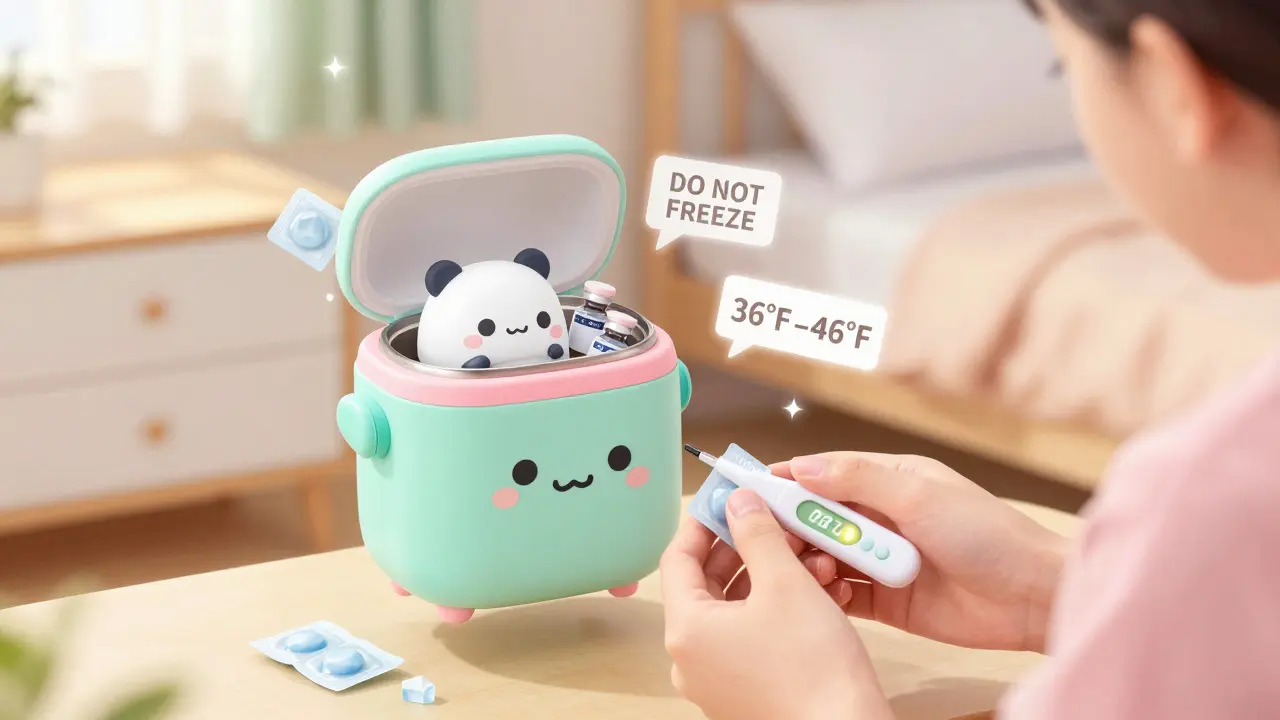
Lock It Down: Security During Transit and Temporary Storage
The EPA recommends storing medications in a locked cabinet or safe. During renovations or moves, that rule still applies. A locked toolbox, a gun safe (if you have one), or even a small lockbox from Amazon can work. Don’t rely on a drawer that’s easy to open. If you’re staying in a hotel during the move, don’t leave meds on the nightstand. Use the in-room safe-or bring your own portable lockbox. Safe Kids Worldwide says medicines should be stored “out of sight and out of reach.” That means above counter height, locked away, and not in plain view. Even if you’re temporarily staying with family, don’t assume they’ll know what’s dangerous. A child might think a bright pill bottle is candy. A teen might think opioids are a quick fix. Locking them up isn’t paranoia-it’s prevention.What to Do With Expired or Unwanted Medications
Before you move, clean out your medicine cabinet. If you’ve got pills you haven’t taken in over a year, or prescriptions for a condition you no longer have, it’s time to dispose of them. The safest way? Use a drug take-back program. Many pharmacies, hospitals, and police stations offer drop-off bins. The EPA says these programs incinerate medications safely, preventing contamination of water and soil. Find one near you by visiting the DEA’s website or calling your local pharmacy. If no take-back is available, mix pills with an unappealing substance-used coffee grounds, cat litter, or dirt. Put them in a sealed plastic bag. Throw the bag in the trash. Don’t flush them unless the label says to. Fentanyl patches and certain opioids (like hydrocodone) are exceptions-they should be flushed immediately to prevent accidental overdose. Never just toss pills in the trash without mixing them. Someone could dig through your bins and find a full bottle of oxycodone. That’s not just irresponsible-it’s dangerous.
Special Cases: Insulin, Controlled Substances, and Pediatric Meds
Some meds need extra care. Insulin is a protein. Freeze it once, and it’s done. Always keep it cool but never frozen. If you’re moving in winter, keep insulin close to your body-inside your coat pocket, not in the car. If you’re moving in summer, use a cooling pack with a temperature monitor. Controlled substances like Adderall, Xanax, or OxyContin require extra security. These are targeted by thieves. Keep them locked at all times. If you’re staying in a temporary rental, notify your landlord you’re storing controlled substances and ask for a secure closet. You’re not being odd-you’re being smart. For children’s medications, especially ADHD or seizure drugs, double-check expiration dates. Kids’ doses change fast. If you’re moving to a new city, schedule a follow-up with a new pediatrician before you arrive. Don’t assume your old prescription will be honored.What to Do After You Move
Once you’re settled, don’t just dump meds back into the old cabinet. Reorganize. Check expiration dates. Throw out anything old or unclear. Update your list: what you’re taking, when, and why. Share this list with your new doctor. If you’re using a pill organizer, make sure it’s labeled clearly. Avoid the temptation to refill old prescriptions without a new script. If you’re unsure about a medication’s safety after the move-especially if it was exposed to heat, moisture, or rough handling-call your pharmacist. They can tell you if it’s still effective. Better safe than sorry.Final Checklist Before You Start Packing
- Make a list of all medications, including OTC and supplements
- Check expiration dates on every bottle
- Identify refrigerated meds and plan your cooling method
- Pick a secure, temperature-stable storage spot for renovations
- Lock all meds in a secure container during transit
- Dispose of expired or unwanted meds via take-back or safe disposal
- Carry daily meds with you-not in the moving truck
- After moving, update your medication list with your new doctor
Home renovations and moves are stressful enough. Don’t let your medications become another risk. A few minutes of planning now can prevent an emergency later.
Can I store my medications in the garage during renovations?
No. Garages often get too hot in summer and too cold in winter. Most medications degrade at temperatures above 77°F or below 59°F. Humidity and dust can also ruin pills. Always store them in a climate-controlled room like a bedroom or hallway closet.
What if I don’t have a locked cabinet during a move?
Use a small lockbox from a hardware store or online retailer. Even a locked tool box or a combination safe works. The goal is to prevent access by children, pets, or strangers. Don’t rely on a drawer or a plastic bin-those aren’t secure.
Should I flush my old pills down the toilet?
Only if the label or FDA guidelines specifically say to. This applies mostly to powerful opioids like fentanyl or hydrocodone. For most other medications, mix them with coffee grounds or cat litter, seal them in a bag, and throw them in the trash. Flushing pollutes water systems and is unnecessary for most drugs.
Can I move insulin in a regular cooler?
Yes, but only if you use ice packs and monitor the temperature. Insulin must stay between 36°F and 46°F. Never freeze it. Use a digital thermometer inside the cooler to confirm it’s in range. If you’re traveling for more than a day, consider a portable insulin cooler with a battery-powered temperature control.
What should I do if I lose my medications during a move?
Call your pharmacy immediately. Most can issue an emergency refill for essential meds like blood pressure, diabetes, or heart medications. Bring your old prescription bottle or a list of the drugs and dosages. If you can’t reach your doctor right away, go to an urgent care center-they can often provide a short-term supply while you wait for a new prescription.
Akshaya Gandra _ Student - EastCaryMS
January 4, 2026 AT 10:55i forgot my mom's insulin was in the box with the books and it got hot in the truck for 3 days lol oops
John Wilmerding
January 6, 2026 AT 01:03Great post. For anyone moving with refrigerated meds, I highly recommend the Arctos Portable Insulin Cooler-it’s battery-powered, maintains 36–46°F for up to 72 hours, and has a digital readout. I’ve used it for cross-country moves and medical trips. Worth every dollar if your life depends on it.
Peyton Feuer
January 6, 2026 AT 03:51my landlord let me use his locked shed for meds during our remodel. didn’t even ask. just said ‘you’re not the first.’ simple stuff, really.
Siobhan Goggin
January 7, 2026 AT 10:32Storing meds in a hall closet is such a smart, low-effort solution. Why do we overcomplicate things that should be this simple?
melissa cucic
January 7, 2026 AT 13:44There is, of course, an ethical imperative here-not merely a practical one. Medications are not mere commodities; they are extensions of bodily autonomy, and their mismanagement constitutes a violation of trust-between patient and pharmacist, between caregiver and dependent, between society and its most vulnerable. To leave them exposed is to normalize neglect. To lock them away is to affirm dignity.
And yet-we do not act on this. We forget. We assume. We rationalize. We tell ourselves, ‘It won’t happen to me.’ But statistics are not abstractions-they are mothers, children, elders, strangers-whose lives hang on a single decision: to lock the box, or not.
So: lock it. Label it. Protect it. Not because the law says so, but because you are human.
Cassie Tynan
January 7, 2026 AT 17:02Oh wow, I didn’t realize my ‘temporary’ garage storage was basically a pharmaceutical death trap. Thanks for the reminder that I’m basically a walking public health hazard. Guess I’ll start treating my pills like they’re not just ‘stuff’ I can toss in a box. Who knew?
Allen Ye
January 8, 2026 AT 09:11Let’s contextualize this: in many cultures, medication is stored in the home’s central living space-not hidden away, but shared openly. In parts of Southeast Asia and Latin America, medicine cabinets are rare; pills sit on kitchen counters, passed hand to hand with meals. This isn’t negligence-it’s community-based care. The Western obsession with locking everything up reflects a deeper cultural anxiety: distrust of the body, distrust of others, distrust of vulnerability. Maybe the real issue isn’t storage-it’s isolation. But still-yes, lock your insulin. I’m not arguing against safety. I’m arguing for nuance.
Jay Tejada
January 9, 2026 AT 13:37man i just moved last month and i threw all my old pills in the trash like that. hope no one dug through my garbage. i feel kinda bad now.
Aaron Mercado
January 10, 2026 AT 10:10THIS IS WHY WE CAN’T HAVE NICE THINGS. People treat medicine like candy, then wonder why kids OD on Xanax. You don’t just ‘forget’ to lock your meds-you’re literally endangering the entire neighborhood. If your kid finds a bottle of Adderall, don’t cry about it-BECAUSE YOU WERE TOO LAZY TO LOCK IT UP. And don’t tell me ‘it was just for a few days.’ If you’re that careless, you shouldn’t be allowed to own pills.
josh plum
January 12, 2026 AT 03:36Wait… so you’re telling me the government doesn’t WANT us to flush pills? That’s because they’re selling the water filters! They profit off the contamination! The DEA knows the truth-they don’t want you to know that flushing is safer than letting them leach into the soil and then being tracked by satellites. I’ve got a friend who works at a pharmacy and he says they’re paid to lie about ‘take-back’ programs. It’s all a cover-up. Lock your meds? Yeah. But also? Question everything.
Ashley Viñas
January 12, 2026 AT 15:17Oh, so now we’re supposed to carry our insulin like it’s a baby? And use a $100 cooler? Honey, I’ve been managing my diabetes for 22 years-I keep my pens in my purse. The fridge at my mom’s house? Perfect. You’re over-engineering a problem that doesn’t exist for most people. Not everyone lives in a climate-controlled bubble. Some of us just… live.
Jason Stafford
January 13, 2026 AT 08:28THEY’RE WATCHING YOU. You think this post is about storage? No. It’s a psyop. The ‘drug take-back bins’? They’re collecting your data. Every pill you drop off? They log your name, your condition, your meds-then sell it to insurers. They’re building a database to flag you as ‘high-risk’ so they can deny your coverage later. Don’t use the bins. Don’t trust the labels. Don’t even look at the thermometer. Burn it all. Literally. In a fire. With gloves. And a mask. I’ve seen the documents.
mark etang
January 13, 2026 AT 10:47It is imperative that all individuals undertaking residential relocation or structural modification protocols exercise due diligence in the preservation and secure custody of pharmacological agents. Failure to adhere to the aforementioned guidelines constitutes a material breach of personal and public health stewardship. We urge all stakeholders to consult the current FDA Medication Storage Guidelines, Version 4.2, and to maintain a contemporaneous log of all pharmaceutical handling events during transitional phases. Compliance is not optional-it is a fiduciary duty.