
 Feb, 14 2026
When you’re in pain, the goal is simple: feel better. But not all pain meds are created equal-and some carry risks most people don’t realize until it’s too late. In 2021 alone, over 80,000 Americans died from opioid overdoses, according to the CDC. That’s not a statistic from a decade ago-it’s today’s reality. And yet, many still assume opioids are the strongest, most effective option for pain. The truth? For most people, they’re not even the best choice.
What Are Opioids, Really?
Opioids are drugs that bind to opioid receptors in your brain and spinal cord to block pain signals. Common ones include oxycodone, hydrocodone, morphine, and fentanyl. They work fast and feel powerful, which is why they were once the go-to for chronic pain. But here’s the catch: they don’t actually fix the cause of pain. They just mute the signal. And over time, your body adapts. You need more to get the same effect. That’s tolerance. Then comes dependence. Then addiction.
The CDC’s 2022 guidelines made it official: opioids should not be the first treatment for chronic pain. Why? Because long-term use doesn’t improve function. A major study called the SPACE trial followed 240 people with back or knee pain for a year. Half got opioids. Half got non-opioids like acetaminophen and NSAIDs. At the end, both groups had similar pain relief-but the opioid group had way more side effects: dizziness, constipation, nausea, and mental fog. Worse, they didn’t move better, sleep better, or function better. The pain was just quieter.
Why Non-Opioids Are Often Better
Non-opioid pain relievers include things you’ve probably used before: ibuprofen, naproxen, acetaminophen. These aren’t just for headaches. They work for arthritis, muscle strains, even post-surgery pain. And unlike opioids, they don’t change how your brain processes reward or pleasure. That means no addiction risk.
A 2018 study in JAMA found that people on non-opioids actually reported lower pain intensity than those on opioids after 12 months. In the hip and knee osteoarthritis group, the difference was even clearer-non-opioid users had nearly a full point lower pain score on a 10-point scale. That’s not a small gap. That’s meaningful daily relief.
And it’s not just adults. A 2024 review in Pediatrics looked at five randomized trials involving kids after surgery or fractures. In every single one, ibuprofen worked just as well as morphine or codeine. But the opioid groups had more vomiting, drowsiness, and even low oxygen levels. One study found over half of kids on codeine or tramadol had nausea or constipation. No one wants that for their child. So why accept it for themselves?
The Hidden Dangers of Long-Term Opioid Use
Most people think the biggest risk is overdose. And yes, that’s terrifying. But there’s another silent threat: heart damage.
A study of nearly 300,000 patients found that if you took opioids for more than 180 days over three and a half years, your risk of having a heart attack jumped by 166%. Even if you weren’t using high doses, just being on them long-term raised your odds. Daily doses above 120 mg of morphine equivalent doubled your risk. That’s not a coincidence. Opioids cause inflammation, raise blood pressure, and mess with your heart’s rhythm. They’re not just addictive-they’re cardio-toxic.
And it’s not just the heart. Long-term opioid users are more likely to develop sleep apnea, hormonal imbalances, and even weakened immune systems. One study showed opioid users had 30% more hospitalizations for infections than non-users. The body doesn’t just tolerate opioids-it gets worn down by them.
The New Non-Opioid Breakthrough: Journavx
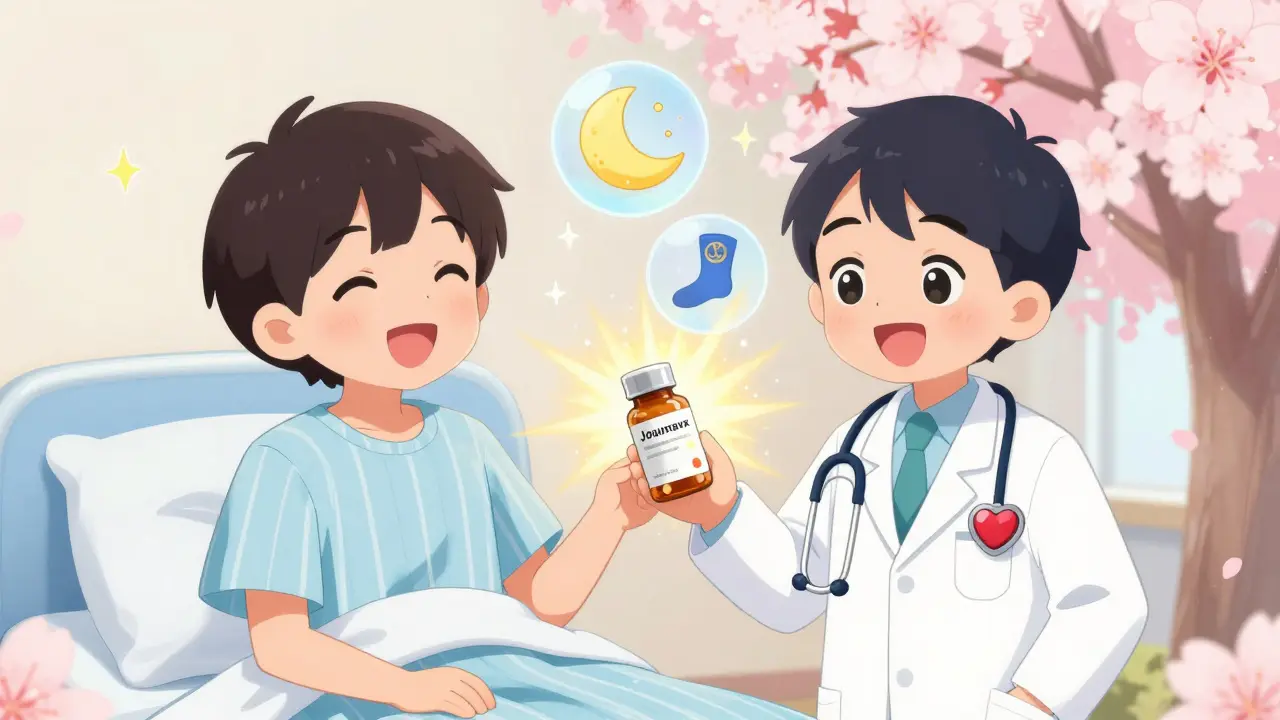
In March 2024, the FDA approved a new drug called Journavx. It’s the first new non-opioid painkiller class in decades. It doesn’t work like NSAIDs or acetaminophen. It targets a different pain pathway, and early trials show it works better than placebo and just as well as opioids-for acute pain like after surgery.
In two trials with 874 patients, Journavx reduced pain significantly more than placebo. And unlike opioids, there were no reports of drowsiness, addiction, or respiratory depression. It’s not a magic bullet, but it’s proof that we’re finally moving beyond the opioid-only model. The FDA called it a "critical step" in reducing overdose risk. And for patients who’ve been told "this is the only thing that works," it’s a lifeline.
What the Guidelines Say Now
Every major medical group has updated its stance:
- The Centers for Disease Control (CDC) says: "Use nonopioid therapy as the preferred treatment for subacute and chronic pain."
- The American College of Physicians says: "Evidence for long-term opioid effectiveness is limited. Harms are well-documented."
- The Department of Veterans Affairs says: "Opioids were not superior to non-opioid approaches in terms of efficacy but were associated with significant side effects."
- The California Medical Board says: "Safer alternatives should be tried before initiating opioid therapy."
This isn’t a fringe opinion. It’s the consensus. If your doctor hasn’t mentioned non-opioid options, ask why. You deserve to know all your choices.
When Opioids Might Still Make Sense
Let’s be clear: opioids aren’t evil. They save lives in specific cases. Cancer pain. Severe trauma. End-of-life care. For those situations, they’re essential. But for lower back pain? Osteoarthritis? A sprained ankle? The evidence says they’re more likely to hurt than help.
Even among opioids, some are riskier than others. A 2023 VA study found that sustained-release oxycodone had a 55% lower risk of opioid-related adverse events than sustained-release morphine. That means not all opioids are equal-but the safest option is still no opioid at all.
What You Can Do Today
If you’re on opioids for chronic pain:
- Ask your doctor about tapering. You don’t have to quit cold turkey. A slow, supported reduction cuts withdrawal risk.
- Try combining NSAIDs with heat, physical therapy, or acupuncture. These aren’t "alternative"-they’re evidence-based.
- Track your pain and function. Use a simple app or notebook. Are you moving more? Sleeping better? Or just numb?
- If you’re prescribed opioids for acute pain (like after surgery), ask: "How many days do I really need?" Most people only need 3-5 days.
If you’re not on opioids but have pain:
- Start with acetaminophen or ibuprofen. They’re cheap, safe, and effective for most types of pain.
- Move your body. Even light walking reduces inflammation and pain signals.
- Consider cognitive behavioral therapy (CBT). It doesn’t sound like pain relief, but studies show it changes how your brain perceives pain.
The goal isn’t to eliminate all pain. It’s to live well despite it. And you can do that without risking your life.
Are non-opioid pain meds as effective as opioids?
Yes, for most types of chronic and acute pain. Studies like the SPACE trial and pediatric research show non-opioids match or beat opioids in pain relief while avoiding addiction, overdose, and serious side effects. For example, ibuprofen works just as well as morphine for post-surgery pain in kids-with far fewer complications.
Can I get addicted to opioids even if I take them as prescribed?
Yes. Addiction isn’t about misuse-it’s about biology. Opioids change brain chemistry. Even patients taking opioids exactly as directed for months can develop dependence. The CDC estimates that 1 in 4 people on long-term opioid therapy for chronic pain develop an opioid use disorder. That’s why guidelines now recommend avoiding opioids unless absolutely necessary.
What are the safest non-opioid pain relievers?
For most people, acetaminophen (Tylenol) and NSAIDs like ibuprofen (Advil) or naproxen (Aleve) are the safest first choices. Acetaminophen is gentler on the stomach; NSAIDs reduce inflammation. But both have limits: don’t exceed 3,000 mg of acetaminophen per day, and avoid NSAIDs if you have kidney disease or ulcers. Always check with your doctor if you’re on other meds.
Is Journavx available now, and how do I get it?
Yes, Journavx was approved by the FDA in March 2024 and is available by prescription for acute pain like after surgery. It’s not meant for long-term use or chronic conditions yet. Talk to your doctor if you’ve had surgery recently and are looking for opioid-free pain control. It’s not a replacement for everything-but it’s a major step forward.
Why do doctors still prescribe opioids if they’re so risky?
Many doctors were trained to see opioids as the strongest option. Some still believe they’re the only solution for severe pain. Others face pressure from patients who expect a quick fix. But guidelines have changed. More providers are now trained in non-opioid pain management. If your doctor doesn’t mention alternatives, ask why. You have the right to know all options.
Next Steps: What to Do If You’re on Opioids
If you’re currently taking opioids for pain, don’t stop suddenly. Withdrawal can be dangerous. Talk to your provider about a tapering plan. Combine it with physical therapy, movement, and non-opioid meds. Keep a pain journal. Note when you feel better, worse, or more tired. That data helps your doctor adjust your plan.
If you’re worried about dependence, reach out. The SAMHSA National Helpline (1-800-662-4357) offers free, confidential support 24/7. You’re not alone-and help is available without judgment.
Virginia Kimball
February 14, 2026 AT 11:53Okay but seriously-why are we still acting like opioids are the only tool in the shed? 🙃 I had back pain for years, tried everything, and then switched to naproxen + physical therapy. Not only did the pain drop, but I started sleeping like a baby and actually enjoyed walking again. No fog. No cravings. Just me, my dog, and a whole lot more energy.
And Journavx? That’s the future. I hope it’s covered by insurance soon. We need more of this stuff, not more prescriptions that feel like a one-way ticket to dependency.
Charlotte Dacre
February 16, 2026 AT 00:15So let me get this straight-we’ve got a drug that makes you feel like a god for a week, then turns you into a zombie who can’t poop without a enema… and we call it ‘medicine’? 🤡
My uncle took oxycodone for a sprained ankle. Three years later he’s on disability, owns 17 different pill bottles, and still says ‘it’s the only thing that works.’ Bro. It’s not medicine. It’s a trap with a prescription label.
Esha Pathak
February 16, 2026 AT 07:37Life is pain, man. 🌿 But pain is also a teacher. Opioids? They’re the spiritual bypass of modern medicine-drowning the signal instead of listening to the message.
Acetaminophen is your quiet monk. NSAIDs? The warrior who fights inflammation at the gates. And Journavx? The new guru who walks in, bows, and says, ‘I don’t need to numb you. I need to recalibrate you.’
We’re not treating pain. We’re running from it. And that’s why we’re all so broken.
Mike Hammer
February 17, 2026 AT 02:13Y’know what’s wild? My grandma took ibuprofen for her knee pain for 12 years. Never got addicted. Never got high. Just… kept moving. Meanwhile, my cousin got prescribed hydrocodone after a tooth extraction and now he’s in rehab. Same pain. Different outcome.
Doctors still treat pain like it’s a game of ‘who can give the strongest hit.’ But it’s not a video game. It’s your body. Treat it like it matters.
Daniel Dover
February 17, 2026 AT 13:56Non-opioids work. Simple.
Chiruvella Pardha Krishna
February 18, 2026 AT 21:38Humanity has always sought to escape discomfort. From ancient rituals to modern pharmaceuticals-we fear pain more than death. But pain is not the enemy. It is the messenger. To silence it with chemicals is not healing-it is rebellion against nature itself.
The body does not lie. The mind does. And opioids? They are the opiate of the distracted masses.
Joe Grushkin
February 19, 2026 AT 06:22Yeah right. Journavx? Sounds like a pharmaceutical marketing gimmick wrapped in FDA buzzwords. Where’s the long-term data? Who funded the trials? You think they didn’t cherry-pick the data like they did with opioids in the 90s? This is just the same script with a new title.
Don’t get me started on ‘evidence-based’-that’s just the new placebo.
Kapil Verma
February 20, 2026 AT 19:30India has been using turmeric and ayurvedic remedies for pain for 5000 years. You Americans think you invented medicine? You invented addiction. We don’t need your Journavx. We need you to stop poisoning your own people with Big Pharma’s poison pills.
Our grandparents healed with massage, yoga, and ginger tea. You? You pop pills like candy. Pathetic.
Mandeep Singh
February 22, 2026 AT 12:42Let me break this down for you slow folks: NSAIDs don’t work for everyone. I’ve had three knee surgeries. I tried ice, PT, acupuncture, CBD, turmeric, cryotherapy, and 12 different ‘natural’ remedies. Nothing worked. Then I got prescribed oxycodone. My pain dropped from 9/10 to 2/10. I can walk. I can work. I can play with my kids.
You want to talk about ‘side effects’? Fine. I get constipated. I take laxatives. Big deal. I’m not dead. I’m not addicted. I’m functional. And you? You’re sitting here typing on your laptop with zero real-world experience pretending to know what’s best for people who actually suffer.
Stop preaching. Start listening.
Betty Kirby
February 24, 2026 AT 05:42Wow. Just wow. So now we’re supposed to believe that a drug approved in 2024 is somehow the answer? You think the FDA is some saintly institution? They approved Vioxx. They approved OxyContin. They approved tons of drugs that killed people.
And now you’re handing Journavx a golden ticket like it’s a miracle? Please. It’s a profit play. The same companies that sold you opioids are now selling you ‘non-opioid’ with a new name.
Wake up. This isn’t progress. It’s rebranding.
Josiah Demara
February 25, 2026 AT 01:21You’re all delusional. The SPACE trial? 240 people? That’s a toddler’s sample size. The Journavx trials? 874 patients over 6 months? Where’s the 5-year data? Where’s the real-world outcomes? You’re quoting press releases like they’re gospel.
And let’s not forget: chronic pain isn’t a binary. Some people have nerve damage. Some have autoimmune flare-ups. Some have fibromyalgia. You can’t treat all pain like it’s a sprained ankle.
Opioids aren’t perfect-but they’re the only thing that works for some of us. And you? You’re not a doctor. You’re a Reddit warrior with a Google search history.
Virginia Kimball
February 25, 2026 AT 20:40Hey, I get it-you’ve been through hell. I’m not dismissing anyone’s experience. But I also know people who were on opioids for 10 years and finally tapered off… and they say it was the best decision of their lives. They got their energy back. Their mood lifted. They started hiking again.
It’s not about ‘giving up’ opioids. It’s about ‘gaining’ your life back. And Journavx? Maybe it’s not perfect. But it’s proof we’re finally building alternatives. Not just replacing one drug with another.
Let’s not let the loudest voices scare us out of progress. We owe it to the next generation to do better.