
 Nov, 27 2025
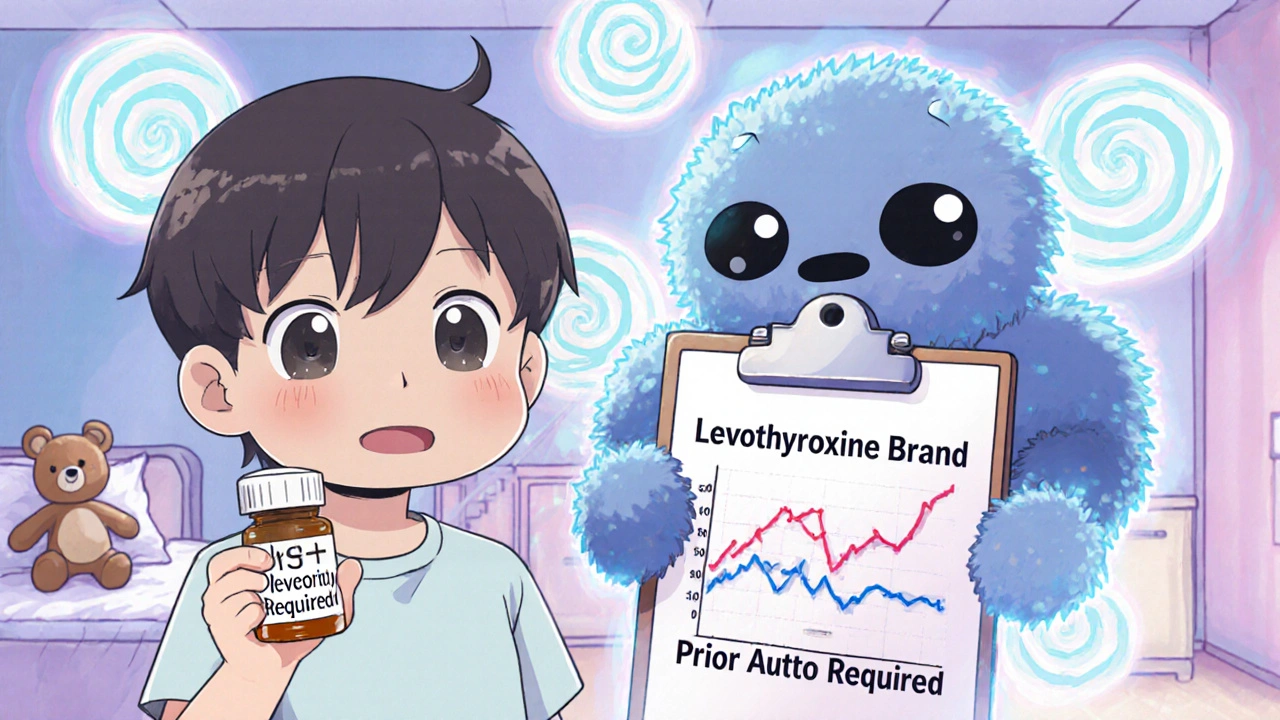
When you take a medication like levothyroxine or phenytoin, your life depends on consistency. A tiny change in dosage - even a few micrograms - can throw your body out of balance. For people managing epilepsy, hypothyroidism, or other conditions treated with NTI drugs, switching from a brand-name pill to a generic isn’t just a cost-saving move. It can mean the difference between staying stable and having a seizure, a heart rhythm problem, or a hospital visit.
What Are NTI Drugs, and Why Do They Need Special Handling?
Narrow Therapeutic Index (NTI) drugs are medicines where the gap between a safe, effective dose and a toxic one is razor-thin. The FDA defines them as drugs where small changes in blood concentration can lead to serious therapeutic failure. That’s not a theoretical risk. It’s real. Take levothyroxine, used for hypothyroidism. If your TSH levels jump 300% after switching generics, you could feel exhausted, gain weight, or develop heart issues. For someone on phenytoin for seizures, a slight variation can trigger a grand mal seizure.
There are about 37 known NTI drugs on the market. They include anticonvulsants like carbamazepine, blood thinners like warfarin, and immunosuppressants like cyclosporine. These aren’t rare drugs - they’re essential for millions. Yet, insurance companies often treat them like any other medication with a generic alternative. That’s where the problem starts.
Why Do Insurers Even Require Prior Authorization for Brand-Name NTI Drugs?
Most insurers follow a simple rule: if a generic exists, use it. It saves money. But NTI drugs break that rule. The FDA and experts agree: generics aren’t always interchangeable with brand-name versions for these drugs. Even though generics are required to be bioequivalent, small differences in how the drug is absorbed can matter a lot when the therapeutic window is so narrow.
Insurers still push for prior authorization because they’re trying to control costs. They assume most patients can switch safely. But data tells a different story. A 2024 study by the American Academy of Neurology found that 18.7% of epilepsy patients had preventable seizures after being forced to switch from brand to generic antiepileptic drugs. That’s nearly 1 in 5 people. And it’s not just seizures - patients report mood swings, fatigue, and loss of control over their condition.
Some insurers, like Health Net, have figured this out. Their policy says brand-name NTI drugs may be listed on a higher tier - but they don’t require prior authorization. That’s the right approach. Others still require doctors to jump through hoops: filling out forms, submitting lab results, waiting days for approval. All while the patient’s health is at risk.
The Real Cost of Delay: Patient Stories and Data
It’s not just statistics. Real people are getting hurt.
A neurologist on Reddit shared that 73% of their levothyroxine brand-name requests were initially denied. One patient had a TSH level of 45 after switching generics - normal is 0.4 to 4.0. That’s a 300% spike. Another patient, a 58-year-old woman with epilepsy, had a seizure during a prior authorization delay. Her insurer approved the brand drug only after she was hospitalized.
According to Patients Rising’s 2024 survey of 1,200 NTI drug users, 68% waited more than 72 hours for approval. Nearly 30% said they had a direct health event because of the delay. And those are the people who spoke up. Many others just stopped taking their meds - or took less - to avoid the hassle.
On the flip side, some insurers have gotten smarter. One HealthUnlocked user described how, after their first denial led to a grand mal seizure, their insurer automatically approved brand-name Keppra going forward. No more paperwork. No more delays. That’s the model others should follow.

How the System Works - and How to Get Approved
If your doctor prescribes a brand-name NTI drug, here’s what typically happens:
- Your pharmacy submits the claim, but it gets rejected because the generic is preferred.
- Your doctor’s office gets a notice and must submit a prior authorization request.
- The request includes your diagnosis, lab results (like TSH or INR levels), weight, height, and sometimes a letter explaining why the brand is medically necessary.
- The insurer reviews it - often taking 2 to 5 business days.
- If denied, you can appeal. Approval rates after appeal are around 82%.
Some states make this easier. California’s AB-1428, effective January 2025, says if you’ve been on a brand-name NTI drug and your condition is stable, insurers can’t require prior authorization to keep you on it. Other states like Mississippi and North Carolina require providers to use specific portals or fax forms. The most efficient method? Electronic prior authorization. It cuts processing time by 42%. But even then, NTI requests still take 22% longer than regular ones because of the extra documentation needed.
Doctors are drowning in paperwork. A 2023 MGMA survey found physician practices spend an average of 16.3 hours per week on prior authorizations. That’s over $4,000 a week in administrative costs per doctor. And it’s not just time - it’s stress, burnout, and delays in care.
What’s Changing - and What’s Coming
Pressure is mounting. In April 2024, the U.S. House passed the Improving Seniors’ Timely Access to Care Act with 355 votes. It requires Medicare Advantage plans to give real-time electronic decisions on prior authorization - including for NTI drugs. That’s a big step.
States are moving too. By June 2024, 22 states had passed laws limiting prior authorization for NTI drugs. Eighteen states now require automatic approval if the insurer doesn’t respond within the legal timeframe - up from just seven in 2022. The 21st Century Cures Act also forced insurers to make their criteria public. Since then, 37% more NTI drug requests are approved on the first try.
Industry analysts predict that by 2026, 75% of commercial insurers will eliminate prior authorization for established NTI drug categories. The reason? It’s no longer just about patient safety - it’s about cost. The average NTI drug prior authorization takes 3.2 days to process. That’s $120 to $200 per request in administrative costs. When you add in hospitalizations, ER visits, and lost productivity from seizures or thyroid crashes, the real cost is far higher than the drug’s price.

What You Can Do
If you’re on an NTI drug and your insurer is making you jump through hoops:
- Ask your doctor to submit a medically necessary letter with your lab results. Don’t just say “I need the brand.” Show why.
- Use electronic prior authorization if your provider has it. It’s faster.
- Check your state’s laws. Many now protect NTI drug access.
- If denied, appeal immediately. Most approvals happen on the second try.
- Join patient advocacy groups. They track insurer patterns and push for policy change.
And if you’re a provider: document everything. Use standardized forms. Push for electronic systems. And don’t be afraid to push back on insurers who treat NTI drugs like ordinary generics. The science is clear - these drugs are different. And so are the risks.
What’s Next for NTI Drugs and Insurance
The tide is turning. More insurers are realizing that forcing patients off brand-name NTI drugs doesn’t save money - it just shifts costs to emergency rooms, hospitals, and lost workdays. The real savings come from keeping patients stable, not from cutting a few cents off a pill’s price.
By 2026, we’ll likely see a major shift: prior authorization for NTI drugs will be the exception, not the rule. But until then, patients and providers must fight for the care they need. Because when your life depends on a medication working exactly right, there’s no room for bureaucracy.
Why do insurers require prior authorization for brand-name NTI drugs when generics are available?
Insurers require prior authorization for brand-name NTI drugs because they assume generics are interchangeable to save money. But for NTI drugs - like levothyroxine or phenytoin - even small differences in absorption can cause serious health risks. Many insurers are unaware of this, or ignore it to cut costs. Some, like Health Net, have updated policies to exempt NTI drugs from prior authorization because they recognize the safety risks.
Which NTI drugs are most commonly affected by prior authorization?
The most common NTI drugs subject to prior authorization include levothyroxine (for hypothyroidism), phenytoin and carbamazepine (for epilepsy), warfarin (a blood thinner), cyclosporine (for transplant patients), and digoxin (for heart conditions). These drugs have a narrow window between effective and toxic doses, making them especially sensitive to formulation changes.
How long does prior authorization for NTI drugs usually take?
The average processing time for NTI drug prior authorization is 3.2 business days, according to a 2023 study. This is 22% longer than standard prior authorizations because of the extra clinical documentation required. Some states require insurers to respond within 24 hours for urgent cases, but many still exceed those limits. Delays of more than 72 hours are common and can lead to adverse health events.
Can I switch back to a brand-name NTI drug if my generic isn’t working?
Yes - but you’ll likely need to go through prior authorization again. If you’ve been stable on a brand-name drug and your condition hasn’t changed, some states like California now require insurers to approve continued use without prior authorization. Always ask your doctor to document your lab results (like TSH or INR levels) and any symptoms you’ve experienced since switching to a generic.
Are there laws protecting access to brand-name NTI drugs?
Yes. As of June 2024, 22 states have passed laws limiting prior authorization for NTI drugs. Eighteen states require automatic approval if the insurer doesn’t respond within a set time. California’s AB-1428 (effective Jan. 1, 2025) prohibits prior authorization for NTI drugs if the patient has been stable on the brand. Medicaid programs must also respond within 24 hours for urgent cases under federal rules.
Jake Ruhl
November 29, 2025 AT 06:11so like... i think the whole system is rigged by big pharma and the insurance mafia to keep us broke and sick on purpose. they dont care if you have a seizure or your thyroid goes haywire, they just want you to take the cheap stuff so they can make more money. its not about health its about profit. and dont even get me started on how the fda is in their pocket. i mean, come on. how many people have to die before we wake up? theyre literally playing russian roulette with our lives and calling it "cost savings". its evil. pure evil. and dont tell me generics are the same. i switched once and felt like my brain was melting. they dont test these things right. its all smoke and mirrors.
Chuckie Parker
November 30, 2025 AT 14:49NTI drugs are not interchangeable because generics have different fillers and coatings that alter absorption. This is not opinion it is pharmacokinetic fact. Insurers ignore science because they are profit driven entities not medical institutions. The FDA allows bioequivalence within 80-125% which is unacceptable for drugs with narrow therapeutic windows. This is not a debate it is a public health crisis.
Graham Moyer-Stratton
December 1, 2025 AT 01:39Insurance is broken. End of story. They treat life saving meds like groceries. Fix it or get out of healthcare.
tom charlton
December 2, 2025 AT 01:36Thank you for this comprehensive and deeply necessary overview. The data presented here underscores a systemic failure in our healthcare infrastructure. The administrative burden on providers and the physical toll on patients are not incidental-they are predictable outcomes of a cost-driven model that prioritizes margins over human life. We must advocate for policy reforms that recognize the biological reality of NTI drugs and eliminate bureaucratic barriers that endanger stability and safety.
Jacob Hepworth-wain
December 2, 2025 AT 09:39Great breakdown. I’ve seen this firsthand in my clinic. One patient went from TSH 1.8 to 12.5 after a generic switch-no symptoms at first, then fatigue, weight gain, depression. Took 3 weeks to get approval back on brand. She cried when it finally came through. We need to standardize electronic PA and remove NTI drugs from tiered formularies entirely. It’s not just right-it’s cost-effective in the long run.
Craig Hartel
December 3, 2025 AT 22:31This is such an important conversation. I’ve got a friend on warfarin who almost had a stroke because her insurance made her switch generics. She’s fine now but it was terrifying. The fact that this is still happening in 2025 is insane. We need more people talking about this. Thanks for sharing the real stats and stories-this isn’t abstract, it’s people’s lives.
anant ram
December 4, 2025 AT 18:44Dear friends, please understand: the pharmaceutical companies, in collusion with insurance giants, have created a system where profit is prioritized over human life. Every time a patient is forced to switch, it is not a mistake-it is a design flaw. The FDA’s bioequivalence standards are outdated, and the delays in prior authorization are not administrative-they are deliberate. We must demand transparency, immediate approval protocols, and legal accountability. Your life is not a spreadsheet.
king tekken 6
December 5, 2025 AT 02:53Look, I get it, generics are cheaper-but have you ever actually read the FDA’s bioequivalence guidelines? It’s wild. They let generics be 20% weaker or stronger and call it "safe." That’s like saying two different speed limits on the highway are fine because they’re both under 80mph. Meanwhile, people are having seizures because a pill has a different dye in it. This isn’t science-it’s corporate magic. And the worst part? They know. They just don’t care.
DIVYA YADAV
December 5, 2025 AT 08:13THIS IS A WAR. NOT ON DRUGS. ON PEOPLE. INSURANCE COMPANIES ARE NOT HEALTHCARE PROVIDERS. THEY ARE FINANCIAL INSTITUTIONS THAT USE MEDICINE AS A COMMODITY. THEY DO NOT CARE IF YOU DIE. THEY CARE IF YOU COST THEM MORE THAN THEY MAKE. THEY HAVE A CALCULATOR THAT SAYS "SAVE $0.15 PER PILLS" AND THEY WILL LET YOU HAVE A SEIZURE TO DO IT. THEY HAVE DONE THIS BEFORE. THEY WILL DO IT AGAIN. AND THEY WILL TELL YOU IT WAS YOUR FAULT WHEN YOU END UP IN THE ER. STAY ON BRAND. FIGHT BACK. DOCUMENT EVERYTHING. AND IF YOU CAN, MOVE TO A STATE WITH LAWS THAT PROTECT YOU. THIS IS NOT A DRUG ISSUE. THIS IS A CRIMINAL ISSUE.
Kim Clapper
December 6, 2025 AT 07:34While I appreciate the detailed analysis, I must note that the article exhibits a concerning lack of critical engagement with the economic realities of healthcare delivery. The assumption that brand-name drugs are inherently superior lacks robust longitudinal evidence, and the reliance on anecdotal patient reports undermines the scientific rigor expected in medical discourse. Furthermore, the conflation of administrative inefficiency with malice ignores the structural constraints of a fragmented payer system. One might argue that the solution lies not in eliminating prior authorization, but in refining it through standardized clinical decision support tools.
Bruce Hennen
December 7, 2025 AT 15:18Anyone who thinks generics are unsafe for NTI drugs is either misinformed or has been manipulated by pharmaceutical marketing. The FDA’s bioequivalence standards are among the most stringent in the world. If a generic is approved, it is safe. The real issue is non-adherence and poor monitoring-not the drug itself. Stop fearmongering. This is how we get irrational policy.