
 Dec, 29 2025
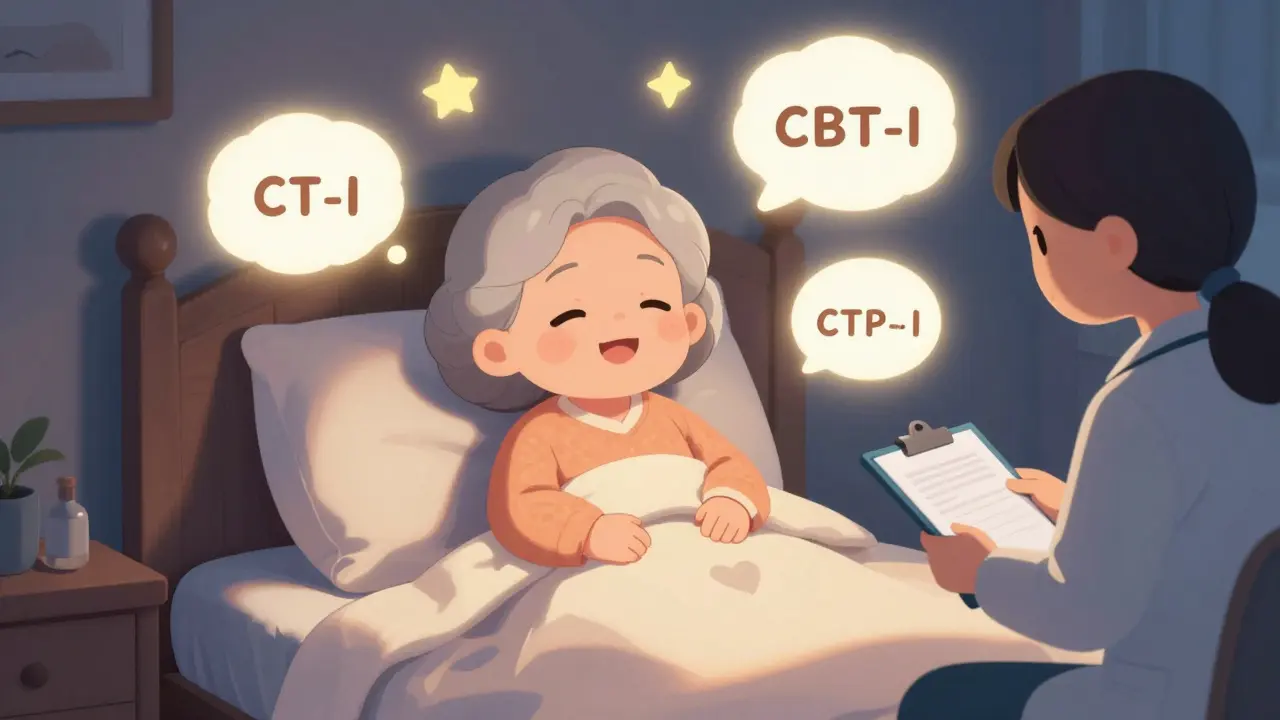
More than half of adults over 65 struggle with sleep. Some turn to pills-Ambien, Lunesta, benzodiazepines-hoping for a quick fix. But for seniors, these drugs aren’t just ineffective long-term; they’re dangerous. Falls, confusion, memory loss, even increased dementia risk: the side effects are real, common, and often ignored. The truth? sleep medications are rarely the best answer for older adults. Safer, more effective options exist-and they don’t come in a bottle.
Why Most Sleep Pills Are Risky for Seniors
Benzodiazepines like diazepam (Valium) and triazolam (Halcion) were once common for sleep. Today, they’re flagged as unsafe by the American Geriatrics Society’s Beers Criteria, updated in 2019. Why? Older bodies process drugs slower. A pill that clears in a few hours for a 30-year-old lingers for days in a 75-year-old. That means next-day drowsiness, poor balance, and a much higher chance of falling. One study found long-acting benzodiazepines increased fall risk by 50%. Even newer drugs like zolpidem (Ambien) and eszopiclone (Lunesta)-called Z-drugs-aren’t much safer. The FDA issued warnings in 2020 after reports of complex sleep behaviors: people driving, cooking, or even leaving their homes while asleep. For seniors, the risk of daytime dizziness and confusion is 30% higher than in younger adults. And it’s not just accidents. A 2014 BMJ study showed benzodiazepine use was linked to a 51% higher risk of developing Alzheimer’s disease, especially with long-term use. Then there’s trazodone, often prescribed off-label for sleep. It’s cheap and widely used, but in nursing homes, caregivers report increased nighttime wandering and confusion. It’s not FDA-approved for insomnia, yet it’s filled in nearly 30% of senior sleep prescriptions.What the Experts Say: First-Line Treatment Isn’t a Pill
The American Academy of Sleep Medicine and the American Geriatrics Society agree: the first treatment for chronic insomnia in seniors should never be a drug. It’s Cognitive Behavioral Therapy for Insomnia, or CBT-I. CBT-I isn’t hypnosis or meditation. It’s a structured, evidence-based program that reteaches your brain how to sleep. Typically, it’s six to eight weekly sessions with a trained therapist. You learn to associate your bed only with sleep, not worry or TV. You adjust your time in bed to match actual sleep time-no more lying awake for hours. You challenge thoughts like, “If I don’t sleep tonight, I’ll be useless tomorrow.” The results? A 2019 JAMA Internal Medicine study showed telehealth CBT-I achieved a 57% remission rate in seniors over 60. That’s better than most pills. And unlike drugs, the benefits last. One senior on AgingCare.com said, “After six weeks of CBT-I, I cut my Lunesta from 2mg to as-needed. I sleep better than I have in 20 years.”When Medication Is Necessary: Safer Options
Sometimes, CBT-I alone isn’t enough. Or a senior can’t access therapy right away. When meds are needed, not all are created equal. Low-dose doxepin (Silenor) at 3-6mg is one of the safest. It’s an old antidepressant used in tiny amounts for sleep. Unlike most sleep drugs, it doesn’t affect GABA receptors. That means less dizziness, less next-day fog. A 2010 study found it improved total sleep time by nearly 30 minutes with only a 5% chance of somnolence-barely higher than placebo. Ramelteon (Rozerem) works differently too. It targets melatonin receptors, not the brain’s sedation centers. It helps you fall asleep faster-about 14 minutes quicker on average-with no risk of dependence or rebound insomnia. It’s not strong enough to keep you asleep all night, but it’s safe for long-term use. The newest option is lemborexant (Dayvigo). It blocks orexin, the brain’s wakefulness signal. A 2021 JAMA Internal Medicine study found it caused less postural instability than zolpidem in adults over 55. That’s huge. Still, it’s expensive-up to $400 a month without insurance. Melatonin supplements (2-5mg) are often tried first. They’re low-risk but weak. Studies show they reduce sleep latency by maybe 10 minutes. Useful for jet lag or circadian rhythm shifts, but not for chronic insomnia.
Cost, Access, and the Hidden Disparities
Here’s the hard part: the safest options are often the most expensive. Generic zolpidem costs $15 a month. Low-dose doxepin? $400. Ramelteon? Around $300. Many seniors can’t afford it. That’s why trazodone and benzodiazepines are still prescribed-they’re cheap. But there’s a deeper issue. A 2022 UCSF study found white seniors were three times more likely than Black seniors to use sleep meds frequently. Why? Not because they sleep worse. Because they have better access to doctors who prescribe pills. Black seniors are more likely to be told to “just try melatonin” or “sleep better,” without real support. The system isn’t fair. And it’s dangerous. If you’re a senior on a fixed income, you’re being forced to choose between affordability and safety.How to Deprescribe Safely
If you or a loved one is on a sleep medication, don’t stop cold turkey. Withdrawal can cause rebound insomnia, anxiety, even seizures with benzodiazepines. The STOPP/START criteria recommend a slow taper. For benzodiazepines or Z-drugs, reduce the dose by 10-25% every 1-2 weeks. Use a pill splitter. Track sleep in a journal. Pair the taper with CBT-I techniques. A 2014 study showed 80% of seniors who tapered slowly avoided major withdrawal symptoms. Talk to your pharmacist. Ask: “Is this on the Beers Criteria list?” If it is, ask for a plan to reduce it. Many doctors don’t know the guidelines. Pharmacists do.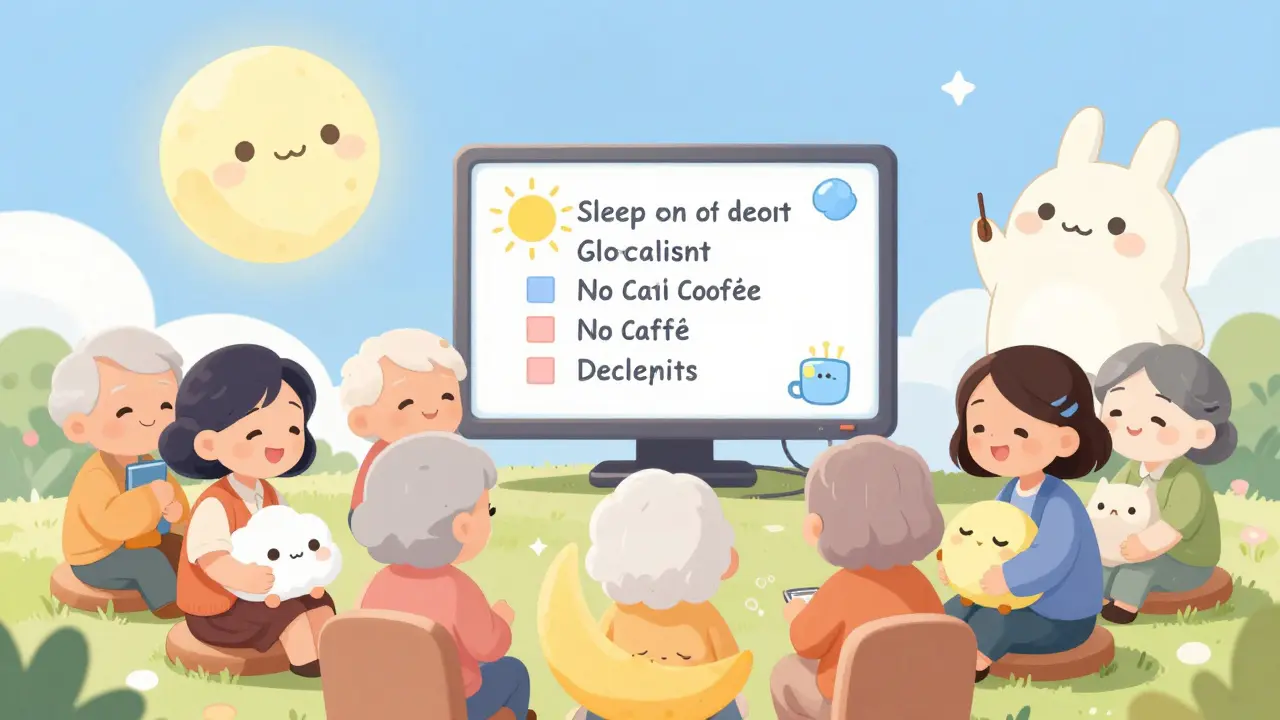
Non-Medication Strategies That Actually Work
Sleep isn’t just about pills. It’s about habits. - Get sunlight within 30 minutes of waking. It resets your internal clock. - Avoid caffeine after 2 p.m. Even decaf coffee has enough to disrupt sleep in older adults. - Limit naps to 20 minutes before 3 p.m. - Make your bedroom cool, dark, and quiet. Use blackout curtains. White noise machines help. - Get moving. Walking 30 minutes a day improves sleep quality more than most drugs. - Avoid screens an hour before bed. Blue light suppresses melatonin. Digital CBT-I platforms like Sleepio now offer 63% success rates in seniors-same as in-person therapy. And they cost less than $100 for a full program.What to Ask Your Doctor
If you’re on a sleep med, ask: - “Is this on the Beers Criteria list?” - “What’s the lowest dose I can take?” - “Can we try CBT-I first?” - “Are there non-drug options I haven’t tried?” - “How long should I be on this?” If your doctor says, “It’s fine,” ask for the evidence. The American Geriatrics Society has clear guidelines. You deserve to know them.Bottom Line: Sleep Better Without Pills
Sleep medications for seniors are a band-aid on a broken system. They mask the problem, not fix it. And the cost-fall risk, memory loss, dementia-is too high. The real solution is patience, structure, and behavior change. CBT-I works. Safer meds like low-dose doxepin or ramelteon exist. But they require effort and support. You don’t need a pill to sleep well. You need the right tools. And you deserve better than a risky prescription.Are sleep medications safe for seniors?
Most prescription sleep aids carry serious risks for seniors, including falls, confusion, memory loss, and increased dementia risk. Benzodiazepines and Z-drugs like Ambien are flagged as potentially inappropriate by the American Geriatrics Society. Even newer drugs like Lunesta and Dayvigo can cause dizziness and next-day impairment. Safer alternatives exist, but they should be used only after behavioral strategies are tried.
What is CBT-I and how does it help seniors sleep?
CBT-I, or Cognitive Behavioral Therapy for Insomnia, is a structured, non-drug treatment that helps retrain your brain to sleep better. It includes techniques like sleep restriction, stimulus control, and changing negative thoughts about sleep. Studies show it works better than pills for seniors, with 57% remission rates in those over 60. Benefits last long after therapy ends, unlike medications that lose effectiveness or cause dependence.
What are the safest sleep medications for older adults?
The safest options are low-dose doxepin (3-6mg), ramelteon (8mg), and melatonin (2-5mg). Doxepin improves sleep without causing dizziness or cognitive side effects. Ramelteon targets melatonin receptors and doesn’t cause dependence. Melatonin helps with sleep timing but doesn’t deepen sleep much. Avoid benzodiazepines, zolpidem, and trazodone unless absolutely necessary and closely monitored.
Can seniors stop taking sleep meds safely?
Yes, but not suddenly. Stopping benzodiazepines or Z-drugs cold turkey can cause rebound insomnia, anxiety, or seizures. A gradual taper-reducing the dose by 10-25% every 1-2 weeks-is essential. Pair this with CBT-I techniques and good sleep hygiene. Always work with a doctor or pharmacist who knows geriatric guidelines.
Why are seniors prescribed sleep meds so often?
Sleep meds are easy to prescribe. CBT-I requires time, training, and access-resources many doctors don’t have. Pills are fast, cheap, and familiar. But they’re not the best option. A 2022 report found 9.2 million seniors filled sleep med prescriptions, yet only 1 in 5 have access to CBT-I. The system favors convenience over safety.
How can I find CBT-I for an elderly parent?
Start with your primary care doctor or a geriatric specialist. Ask for a referral to a sleep psychologist. Telehealth platforms like Sleepio, CBT-I Coach, and Insomnia Free are FDA-cleared and cost under $100. Medicare sometimes covers CBT-I if provided by a licensed therapist. Check with your local Area Agency on Aging-they often have resources or partnerships.
Do over-the-counter sleep aids work for seniors?
Most OTC sleep aids contain diphenhydramine or doxylamine-anticholinergic drugs that cause drowsiness. These are especially risky for seniors: they increase confusion, dry mouth, urinary retention, and dementia risk. The Beers Criteria warns against them. Melatonin is safer but weak. Don’t rely on OTC pills. Focus on sleep habits and CBT-I instead.
What lifestyle changes improve sleep in seniors?
Get morning sunlight for 15-30 minutes to regulate your circadian rhythm. Walk daily-even 20 minutes helps. Avoid caffeine after 2 p.m. Limit screen time an hour before bed. Keep your bedroom cool and dark. Don’t nap after 3 p.m. or longer than 20 minutes. Use the bed only for sleep and sex-not reading or watching TV. These habits are more effective than any pill.
Jim Rice
December 30, 2025 AT 23:07Yeah right, like anyone’s gonna give up their Ambien after 15 years of use. You think seniors are gonna do six weeks of CBT-I when they can just pop a pill and sleep? This is rich people advice for people who don’t have to wake up at 4 a.m. to care for a spouse with dementia.
Alex Ronald
January 1, 2026 AT 17:06I’ve helped three elderly clients taper off benzodiazepines using CBT-I and low-dose doxepin. One 82-year-old woman went from 2mg Lunesta nightly to sleeping 7 hours without meds-just by fixing her sleep schedule and cutting caffeine after noon. It’s not magic. It’s science. And it works. The hardest part? Getting them to believe they don’t need the pill.
Louis Paré
January 2, 2026 AT 04:49Let’s be real: this whole post is a glorified pharmaceutical industry smear campaign. CBT-I is great if you’ve got a therapist, a flexible schedule, and a PhD in patience. Meanwhile, trazodone keeps grandma from wandering into the street at 3 a.m. You don’t get to moralize about safety when the system’s rigged to make the cheapest, most accessible option the most dangerous one.
And don’t even get me started on ‘melatonin for jet lag’-that’s like prescribing aspirin for a bullet wound. It’s not that the alternatives don’t exist. It’s that they’re reserved for people who can afford to care.
Marie-Pierre Gonzalez
January 2, 2026 AT 06:41Thank you for this post!! 😊 I’m a nurse in Ontario and I see this every day-seniors on 3 different sleep meds, terrified to stop because their doctor never explained the risks. I always hand them the Beers Criteria sheet and suggest Sleepio. One lady cried because she finally felt like someone understood. Please keep sharing this info!!
Janette Martens
January 3, 2026 AT 23:23CBT-I? In Canada? Good luck finding a therapist who takes Medicare and doesn’t charge $200/hour. Meanwhile, trazodone costs $5 a month and keeps my dad from yelling at the TV at 2 a.m. You want us to ‘be patient’? We’re already exhausted.
Manan Pandya
January 4, 2026 AT 11:21As someone who works with aging parents in India, I can confirm: the problem is worse here. No access to specialists. No CBT-I. No insurance. The only option is melatonin or sleeping pills bought from the local pharmacy. And yes, they’re often anticholinergics. The system fails seniors everywhere-it’s not just a Western issue.
But I’ve seen families succeed with simple changes: morning walks, no screens after 7 p.m., and a warm milk ritual. It’s not glamorous, but it’s doable. And it’s safer.
Aliza Efraimov
January 4, 2026 AT 22:08I lost my mom to a fall after she took Ambien for 3 years. She didn’t even remember getting up to go to the bathroom. The ER doctor said, ‘This happens all the time.’ That broke me. Please, if you’re on sleep meds-ask your pharmacist. Ask your doctor. Ask again. Don’t let ‘it’s fine’ be the answer. You deserve to wake up alive.
Nisha Marwaha
January 5, 2026 AT 04:49From a geriatric pharmacology standpoint, the pharmacokinetic changes in elderly populations-reduced hepatic metabolism, decreased renal clearance, altered volume of distribution-render GABAergic agents like zolpidem and benzodiazepines disproportionately hazardous. The Beers Criteria are not arbitrary; they’re evidence-based risk stratification. The real crisis is not the lack of alternatives-it’s the systemic failure to implement them.
Low-dose doxepin’s H1 receptor affinity without GABA modulation makes it uniquely suited for elderly insomnia. Ramelteon’s MT1/MT2 agonism avoids CNS depression entirely. These are not ‘niche’ options-they’re first-line in any properly resourced geriatric practice.
Paige Shipe
January 5, 2026 AT 21:17Let’s be honest-this post is just another way for wellness influencers to make seniors feel guilty for taking pills they were prescribed. My 78-year-old aunt has arthritis, anxiety, and insomnia. She’s not going to do ‘sleep hygiene.’ She’s going to take what the doctor gave her. And if that’s trazodone? So what? She sleeps. She’s happy. That’s what matters.
Duncan Careless
January 6, 2026 AT 02:10I’ve been tapering off Lunesta for 8 months. Started at 2mg, now down to 0.5mg. Used Sleepio. Woke up sweating, anxious, furious at first. But now? I sleep better than I did in my 40s. It’s not easy. But it’s worth it. Thanks for the reminder-this isn’t about being perfect. It’s about being safer.
Sharleen Luciano
January 6, 2026 AT 23:59It’s amusing how the same people who decry Big Pharma are perfectly fine with Big Wellness-selling $100 digital CBT-I programs while ignoring that most seniors can’t afford Wi-Fi, let alone a tablet. The real villain isn’t Ambien-it’s the belief that every problem can be solved by a self-help app and a lecture on ‘sleep hygiene.’ The elderly aren’t lazy. They’re abandoned.