 Dec, 6 2025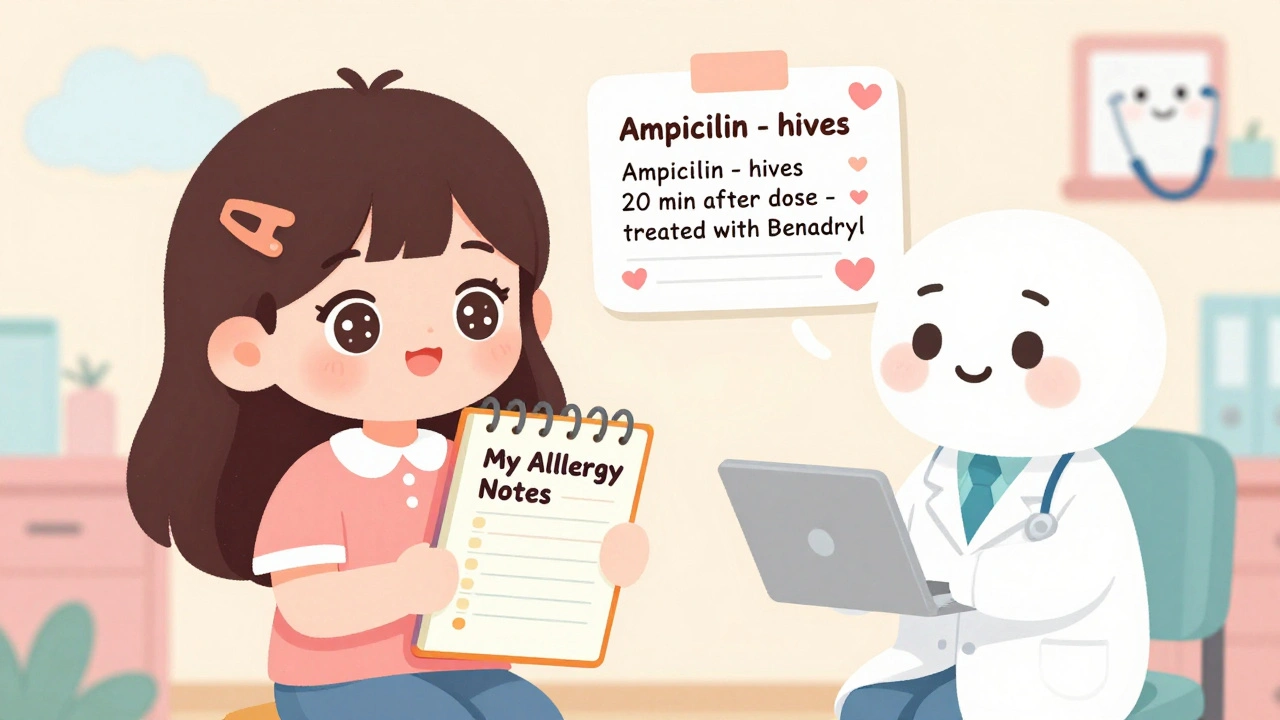
Learn how to accurately document drug allergies in your medical records to prevent dangerous medication errors. Specific details save lives - here’s what to write, why it matters, and how to fix outdated entries.

When your body reacts badly to a medicine, it’s easy to call it an drug allergy, an immune system response to a medication that can cause hives, swelling, trouble breathing, or anaphylaxis. Also known as allergic reaction, it’s not just about feeling sick—it’s about your body attacking something it thinks is dangerous. But here’s the truth: most people who say they’re allergic to penicillin or sulfa drugs aren’t. Studies show up to 90% of those labels are wrong. That’s not just a mistake—it’s dangerous. Avoiding a drug you’re not actually allergic to can mean using something less effective, more expensive, or even riskier.
That’s why it’s critical to understand the difference between a side effect, a predictable, non-immune reaction like nausea or drowsiness that comes with many drugs and a real allergic reaction, a specific immune response that can escalate quickly and requires immediate medical attention. A rash from amoxicillin? Could be allergy. Dizziness from blood pressure meds? Almost certainly not. Confusing the two leads to unnecessary avoidance, worse treatment options, and higher costs. And it’s not just about penicillin—any drug, even common ones like ibuprofen or aspirin, can trigger a true allergy in rare cases. The key is knowing the signs: hives, swelling of the face or throat, wheezing, or a sudden drop in blood pressure. If you’ve had any of those, get it checked. If you’ve only had a stomachache or headache, you probably just experienced a side effect.
Many people carry outdated allergy labels for years because no one ever tested them. But allergy testing—especially for penicillin—is simple, safe, and often covered by insurance. A skin test or oral challenge can clear your name and open up better, safer treatment paths. Even if you’ve had a reaction before, it doesn’t mean you’ll always react. Allergies can fade over time. And if you’re unsure? Talk to your doctor. Don’t assume. Don’t guess. Get it confirmed.
What you’ll find below isn’t just a list of articles—it’s a practical toolkit. From how to recognize a real drug allergy versus a side effect, to why so many people wrongly think they’re allergic to penicillin, to what happens when you avoid a drug you don’t actually react to. You’ll see how drug reactions are misunderstood, mislabeled, and sometimes mismanaged. These posts cut through the noise. They give you clear, evidence-based answers—not hype, not fear, just facts you can use to protect your health.