 Dec, 6 2025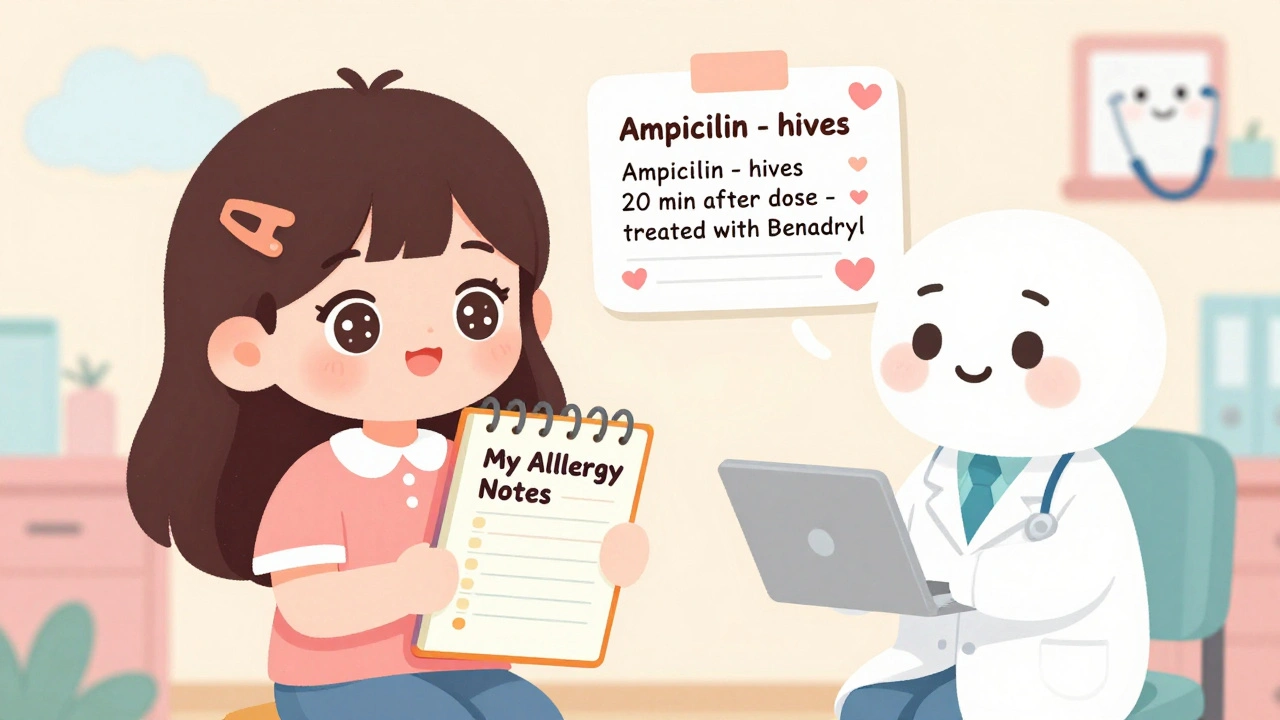
Learn how to accurately document drug allergies in your medical records to prevent dangerous medication errors. Specific details save lives - here’s what to write, why it matters, and how to fix outdated entries.

When your electronic health record (EHR) says you're allergic to penicillin, it can block access to the safest, cheapest, and most effective treatment for your infection. But EHR allergies, digital flags in medical records that mark supposed drug reactions. Also known as drug allergy alerts, these entries often aren't based on real testing—they're guesses, old notes, or misunderstandings that stick around for years. Up to 90% of people labeled allergic to penicillin aren't truly allergic. Yet that label still changes how doctors treat them, pushing them toward costlier, riskier drugs. This isn't just a paperwork issue—it’s a patient safety problem.
The line between a side effect, an expected, non-immune reaction like nausea or dizziness and a true allergic reaction, a dangerous immune response that can cause hives, swelling, or anaphylaxis is blurry for most patients and even some providers. An itchy rash after taking an antibiotic? That’s often labeled an allergy in the EHR. But it could just be a viral rash that happened to appear at the same time. Meanwhile, real allergies—like swelling of the throat after amoxicillin—are rare, but they’re the ones that can kill you if missed. EHRs don’t always capture the nuance. They just show a red flag: "Allergic to amoxicillin." No details. No history. No context.
That’s why so many people avoid antibiotics they could safely take, end up with longer hospital stays, or get prescribed drugs that cause more side effects than the one they were told to avoid. The EHR doesn’t know the difference between a mild skin itch and a life-threatening reaction. It just repeats what was entered. And once it’s in there, it’s hard to remove—even if you’ve taken the drug five times since without issue.
What you’ll find below isn’t just a list of articles. It’s a toolkit to help you understand what’s really going on when your record says "allergy." You’ll learn how to tell the difference between a side effect and a true allergic reaction, why so many people are mislabeled, how to talk to your doctor about removing an incorrect allergy flag, and what drugs are actually safest when you’re labeled allergic to common ones. These aren’t theoretical discussions—they’re based on real patient cases, clinical data, and the kind of practical advice you need before your next prescription.