 Dec, 4 2025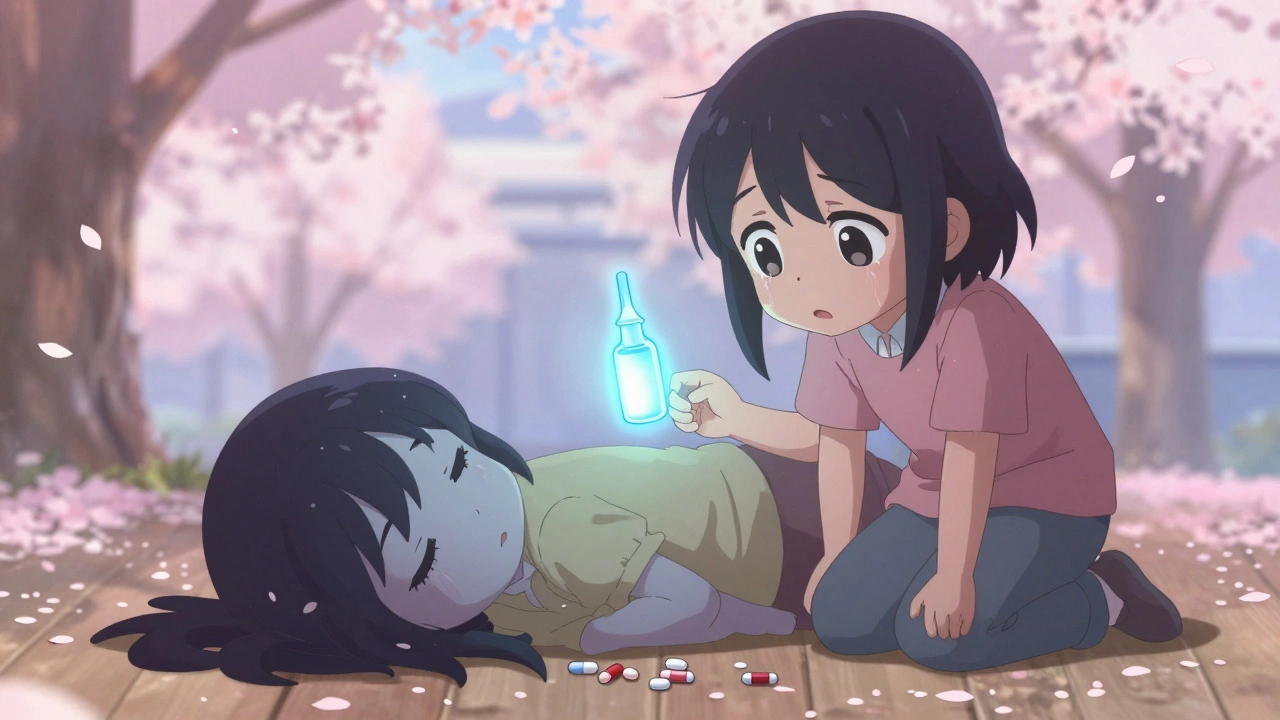
Learn how to recognize opioid overdose symptoms and use naloxone to reverse it. A clear, step-by-step guide for anyone who wants to save a life-no medical training needed.

When someone has an opioid overdose, a life-threatening reaction to too much opioid, which slows or stops breathing. Also known as drug overdose, it happens when the brain’s breathing center shuts down—often silently, often quickly. This isn’t just about heroin. It’s also prescription pain pills, fentanyl-laced counterfeit drugs, and even mixtures people don’t realize they’re taking.
The biggest danger? Many overdoses happen because the person didn’t know how strong the drug was. Fentanyl is 50 to 100 times more powerful than morphine, and just two milligrams can kill. It’s often mixed into pills that look like oxycodone or Xanax. People think they’re taking something safe—and then they stop breathing. That’s why knowing the signs matters: blue lips, slow or shallow breathing, unresponsiveness, pinpoint pupils. If you see this, act fast. naloxone, a medication that reverses opioid overdose by blocking opioid receptors in the brain can bring someone back. It’s safe, easy to use, and available without a prescription in most places.
People often confuse opioid dependence with addiction. Dependence means your body adapts to the drug—you’ll feel withdrawal if you stop. Addiction is when you keep using despite harm. But both can lead to overdose. Even someone on a steady prescription can overdose if they take more, mix it with alcohol or benzodiazepines, or if their tolerance drops after time away from the drug. opioid addiction, a chronic brain disorder characterized by compulsive drug use despite negative consequences doesn’t make someone weak—it makes them sick. And like any illness, it needs treatment, not judgment.
Overdose prevention isn’t just about avoiding drugs. It’s about having naloxone on hand, never using alone, testing drugs for fentanyl with strips, and knowing where to get help. Harm reduction works. Communities that hand out naloxone and offer clean supplies see fewer deaths. You don’t have to fix someone’s life to save it—sometimes, just reversing the overdose is the first step.
Below, you’ll find real, practical posts that explain how naloxone is used, why fentanyl is so dangerous, what to do if someone overdoses, and how medication-assisted treatment actually helps people recover. No fluff. No fearmongering. Just what you need to know to act, protect, and understand.