
 Dec, 11 2025
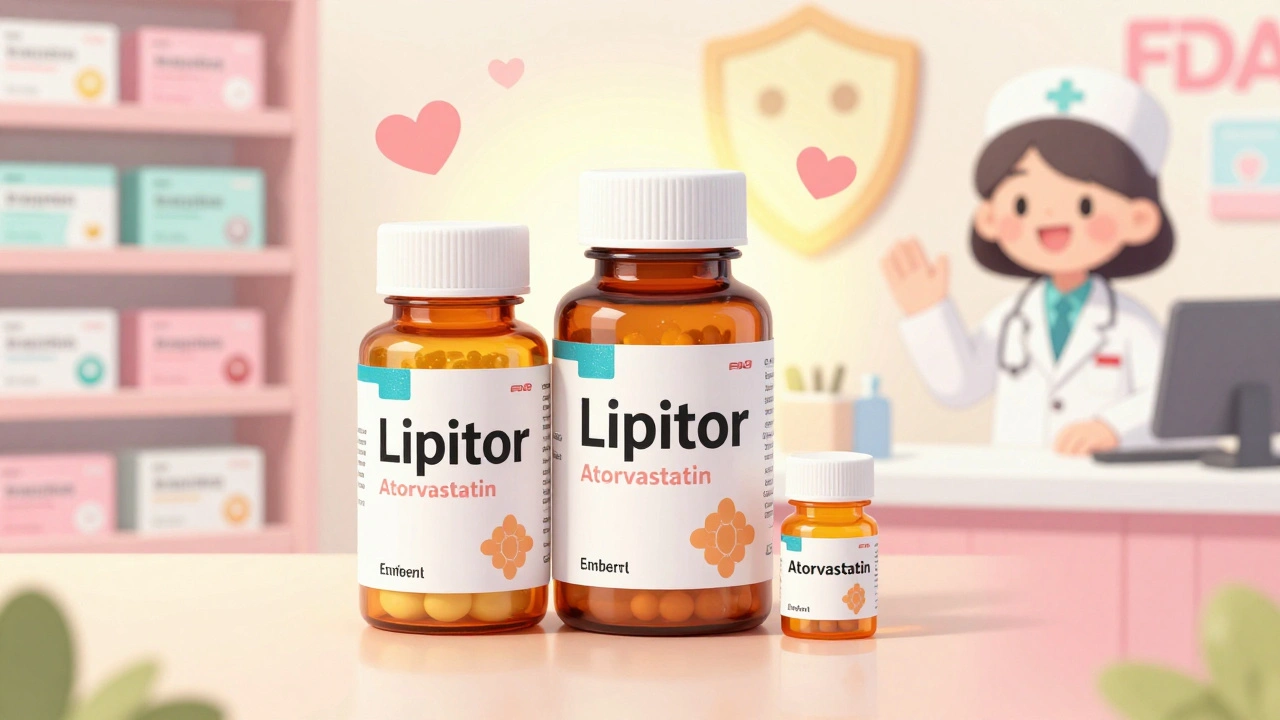
When your doctor prescribes a medication, you might see the brand name on the prescription - but when you pick it up, the bottle says something completely different. That’s because most prescriptions in the U.S. are filled with generic drugs. In fact, about 9 out of every 10 prescriptions you get are generic. And the reason? They work just like the brand-name version - but cost a fraction of the price.
What Exactly Is a Generic Drug?
A generic drug is the exact same medicine as the brand-name version, just sold without the brand name. It has the same active ingredient, same strength, same way of taking it (like a pill or injection), and same effect on your body. The FDA requires that generics meet the same strict standards as brand-name drugs. That means if your doctor prescribes Lipitor for cholesterol, the generic atorvastatin does the same job, at the same dose, with the same risks and benefits.How Does the FDA Approve Generic Drugs?
The FDA doesn’t make generic companies start from scratch. Instead, they use a shortcut called the Abbreviated New Drug Application, or ANDA. This process was created in 1984 to help lower drug costs without cutting corners on safety. Here’s how it works:- The generic company picks a brand-name drug that’s no longer under patent protection. This is called the Reference Listed Drug (RLD).
- They make their version using the same active ingredient - same chemical, same dose, same form (tablet, liquid, etc.).
- They run tests to prove it works the same way in your body. This is called bioequivalence.
- They submit all the data to the FDA in a single application - usually thousands of pages long.
- The FDA reviews the application, inspects the manufacturing plant, and approves it if everything meets standards.
Unlike brand-name drugs, which can take 10-15 years and over $2 billion to develop, generics typically take 3-5 years and cost $5-10 million. That’s why they’re so much cheaper.
What Does ‘Bioequivalent’ Really Mean?
You might hear doctors say, “The generic is bioequivalent.” What does that mean? It means your body absorbs the medicine the same way as the brand-name version. To prove this, manufacturers test the drug on 24-36 healthy volunteers. They measure how quickly and how much of the drug enters your bloodstream. The FDA requires that the generic delivers the same amount of medicine - within 80% to 125% - of the brand-name drug. That’s a very tight range. It’s not just “close enough.” It’s scientifically proven to be the same.Why Are Generics So Much Cheaper?
Brand-name drug companies spend a lot on research, clinical trials, marketing, and patents. Once the patent expires, other companies can make the same drug without repeating those expensive steps. They don’t need to pay for advertising or pay back billions in development costs. So they can sell it for 80-95% less. In 2023, generic drugs made up 90% of all prescriptions filled in the U.S. But they only cost 23% of the total money spent on prescriptions. That’s a huge savings - over $2.2 trillion in the last decade, according to the FDA.Are Generics Always Safe?
Yes - for most people. The FDA holds generics to the same quality standards as brand-name drugs. Every manufacturing facility - whether it’s in the U.S., India, or elsewhere - must pass an FDA inspection before it can make generic drugs. The FDA inspects over 1,500 facilities each year. There are rare exceptions. Some drugs have a very narrow therapeutic index - meaning the difference between the right dose and a harmful dose is small. Examples include warfarin (a blood thinner), levothyroxine (for thyroid), and some seizure medications. For these, switching between different generic brands might cause slight changes in how your body responds. That’s why some doctors recommend sticking with one brand or generic version if you’re on one of these drugs.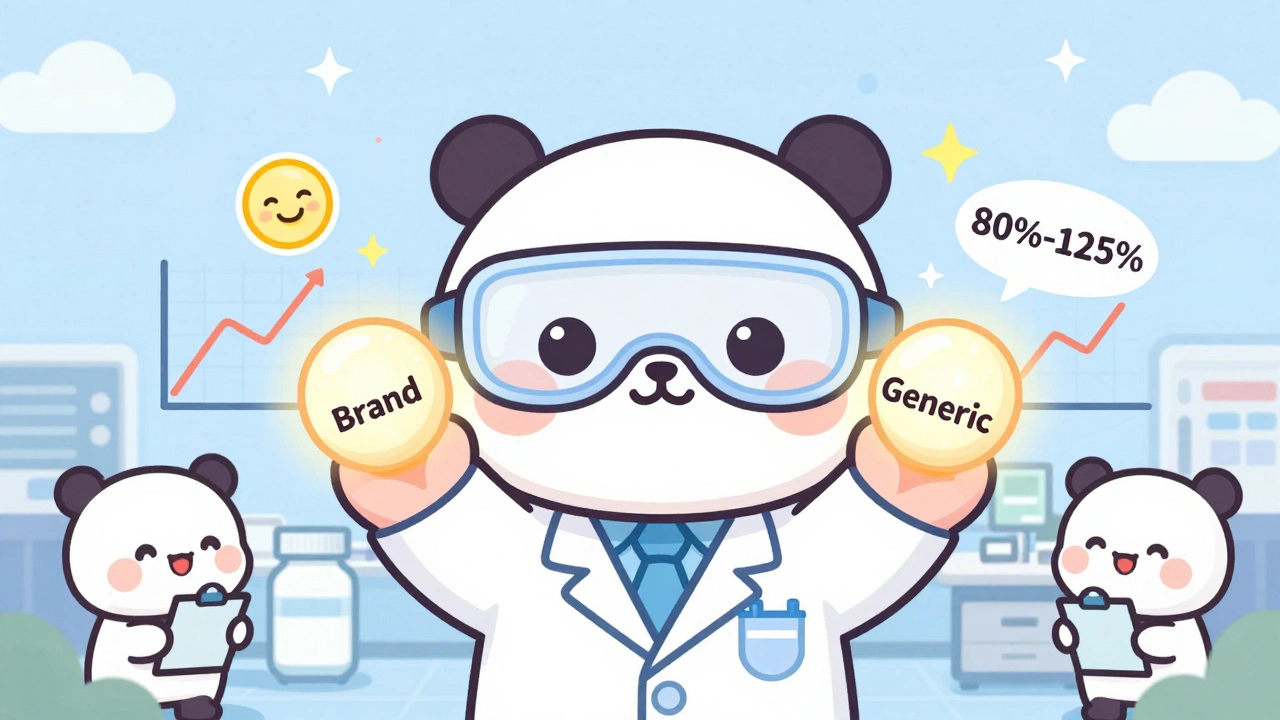
What About Complex Generics?
Not all drugs are easy to copy. Inhalers, eye drops, creams, and injectables can be much harder to match exactly. That’s because the way the drug is delivered matters as much as the chemical inside. For example, an inhaler must deliver the right amount of medicine deep into your lungs - not just contain the same ingredient. The FDA has been working on this. In 2023, they approved the first generic version of EpiPen - after 15 years of effort. Complex generics make up only 15% of applications, but they cause 40% of delays in approval. The FDA now has special programs to help manufacturers get these right.How Long Does Approval Take?
The FDA aims to review most generic applications within 10 months. But if the drug is complex, or if the application is incomplete, it can take much longer - sometimes over two years. That’s why some generics take months to appear on pharmacy shelves after a patent expires. The FDA tracks every application in real time through their online dashboard. You can see how many applications are pending, how long reviews are taking, and which drugs are approved.What About Patent Challenges?
Sometimes, brand-name companies try to delay generics by filing new patents - even on small changes like a new pill shape or coating. This is called “evergreening.” The FDA can’t stop this, but the law allows generic companies to challenge those patents. About 72% of the first generic applicants file a legal challenge to get to market faster. If they win, they get 180 days of exclusive rights to sell the generic - meaning no other company can sell the same generic during that time. That’s why you might see one generic on the shelf for a few months, then suddenly see three more appear.What Do Patients Say?
Most people who use generics have no problems. A 2022 FDA survey of 2,500 patients found that 87% were satisfied with their generic medications. Pharmacists overwhelmingly recommend generics - 94% say they always or usually suggest them when available. But some patients, especially those on thyroid or blood thinners, report noticing small differences when switching between generic brands. That’s not because the medicine is unsafe - it’s because their bodies are sensitive to tiny changes. If you feel different after switching, tell your doctor or pharmacist. They can help you stick with one version or adjust your dose if needed.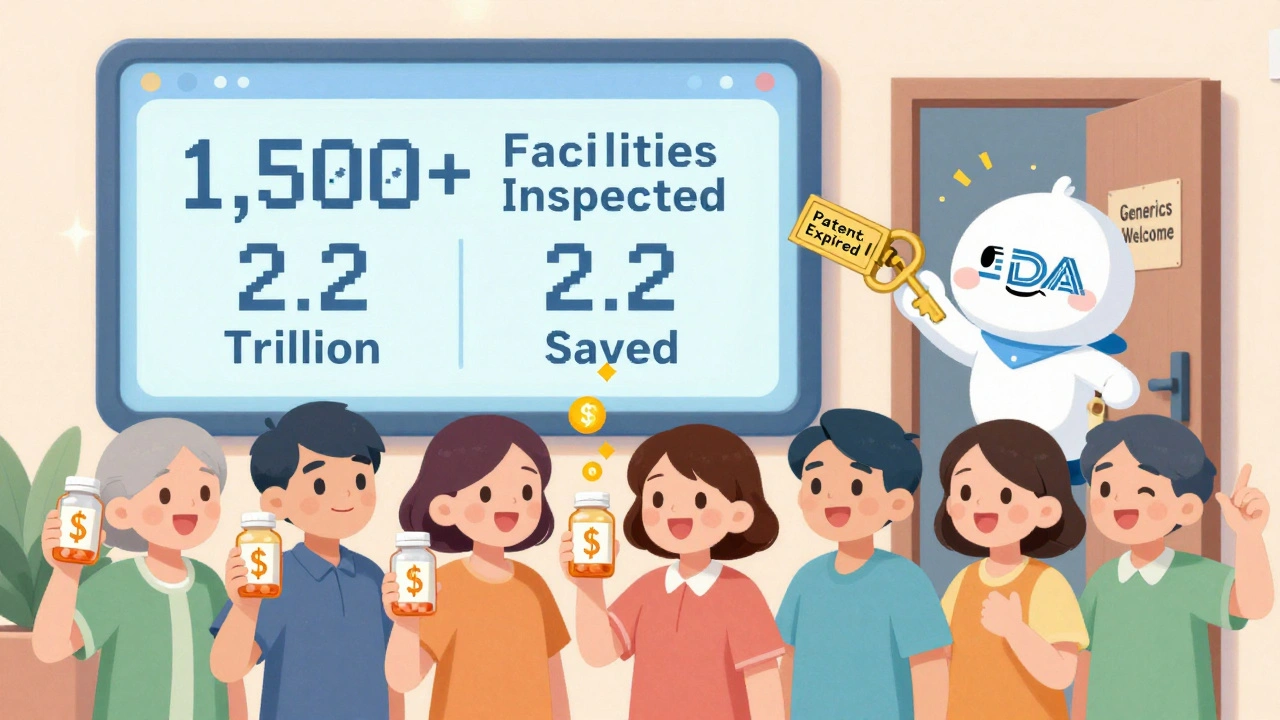
How to Know If Your Drug Is Generic
Look at the label. If it says the name of the active ingredient - like “metformin” or “amlodipine” - instead of “Glucophage” or “Norvasc,” it’s generic. You can also ask your pharmacist: “Is this the generic version?” They’ll tell you. And if you’re unsure, check the FDA’s Orange Book - a free online database of all approved brand and generic drugs.What’s Next for Generic Drugs?
The FDA is working on using artificial intelligence to speed up reviews by 2025. They’re also pushing for more transparency in pricing and trying to stop brand companies from blocking generic access. Meanwhile, more patents are expiring. Over $250 billion worth of brand-name drugs will lose protection by 2027 - meaning thousands more generics will hit the market.Bottom Line
Generic drugs are safe, effective, and saving patients billions every year. The FDA doesn’t cut corners - they just skip the parts that don’t need to be repeated. If your doctor prescribes a generic, you can trust it. If you’re worried about switching, talk to your pharmacist. They’re the experts on what’s in your bottle - and they want you to get the best care at the best price.Are generic drugs as effective as brand-name drugs?
Yes. The FDA requires that generic drugs have the same active ingredient, strength, dosage form, and route of administration as the brand-name version. They must also prove bioequivalence - meaning they deliver the same amount of medicine into your bloodstream at the same rate. Studies show generics work just as well for the vast majority of patients.
Why do generic drugs look different from brand-name drugs?
By law, generic drugs can’t look exactly like the brand-name version - that would violate trademark rules. So they may have a different color, shape, or coating. But the active ingredient, dose, and effect are identical. The differences are only in the inactive ingredients, like dyes or fillers, which don’t affect how the drug works.
Can I switch between different generic brands?
For most medications, yes. But for drugs with a narrow therapeutic index - like warfarin, levothyroxine, or certain seizure medicines - even small changes in how your body absorbs the drug can matter. If you’re on one of these, it’s best to stick with the same generic brand or ask your pharmacist to refill the same version. If you notice new side effects after switching, contact your doctor.
Are generic drugs made in the same facilities as brand-name drugs?
Many are. The FDA inspects all manufacturing plants - whether they make brand-name or generic drugs - and requires them to meet the same strict quality standards. In fact, some brand-name companies also make their own generic versions. The difference isn’t where they’re made - it’s who’s selling them and how much they charge.
How do I find out if a generic version of my drug is available?
Ask your pharmacist or check the FDA’s Orange Book online. You can search by brand name or active ingredient. The Orange Book lists all approved generic versions and shows when they became available. If your drug is still under patent, a generic won’t be on the market yet - but you can track when the patent expires.
What to Do Next
If you’re on a brand-name drug and wondering if a generic is right for you:- Ask your doctor: “Is there a generic version of this drug?”
- Ask your pharmacist: “Can I switch to the generic?”
- Check the cost difference - generics are often $10-$20 per month instead of $100-$300.
- If you’re on a narrow therapeutic index drug, ask if your insurance allows you to stick with one generic brand.
- Keep track of how you feel after switching. Report any changes to your provider.
Generic drugs aren’t a compromise - they’re a smart, science-backed choice. Millions of people use them every day. And thanks to the FDA’s strict approval process, you can trust them to work just like the brand-name version - without the high price tag.
sandeep sanigarapu
December 12, 2025 AT 16:31Generic drugs are cost-effective and safe. FDA standards are strict. Many facilities in India and US make both brand and generic. No difference in active ingredient. Trust the science.
Adam Everitt
December 14, 2025 AT 03:43so like… the generic is just the brand name’s ghost? same chem but no fancy packaging? kinda wild that we pay 10x for the label. also, i think i spelled ‘bioequivalence’ wrong. oops.
wendy b
December 15, 2025 AT 08:27Let me clarify something for the uneducated: the FDA does not 'cut corners'-they eliminate redundant clinical trials that have already been validated. This is not laziness, it is regulatory efficiency. If you're still skeptical, you're likely conflating marketing with medicine. Also, 'generic' does not mean 'inferior'-it means 'unbranded.' Please educate yourself before posting fearmongering comments.
Ashley Skipp
December 16, 2025 AT 18:04My cousin switched from brand name to generic for her thyroid med and now she's always tired and her hair is falling out. So yeah I'm not buying the 'same thing' line. FDA my ass.
Nathan Fatal
December 17, 2025 AT 20:15The data is overwhelming: generics are bioequivalent in 99% of cases. The rare exceptions-warfarin, levothyroxine, antiepileptics-are well documented and flagged by pharmacists. The real issue isn’t safety, it’s inconsistent refill practices. If you're on a narrow-therapeutic-index drug, always ask for the same manufacturer. That’s not about generics being bad-it’s about consistency. Pharmacists are your best ally here.
Stacy Foster
December 18, 2025 AT 05:00EVERYTHING IS A LIE. The FDA is owned by Big Pharma. The 'bioequivalence' range? 80-125%? That means a generic could be 25% weaker OR 25% stronger. That’s not a medicine, that’s a lottery ticket. And those factories in India? Half of them get flagged for fraud. You think your $5 pill is safe? You’re just lucky. They don’t test on real patients-they test on rats and then lie to the FDA. Wake up.
Robert Webb
December 18, 2025 AT 11:32I’ve been a pharmacist for 22 years and I’ve seen patients switch from brand to generic every day. The vast majority never notice a difference. But here’s the thing-people don’t realize that even brand-name drugs vary between batches. The body doesn’t care if it’s called Lipitor or atorvastatin. It cares about the molecule. And yes, the FDA’s 80-125% range is tight. That’s not a loophole-it’s a precision tool. I’ve had patients tell me their generic 'didn’t work'-but when we checked, they’d switched between three different generic manufacturers in three months. That’s the problem, not the generic itself. Stick with one. Ask your pharmacist to lock it in. And if you’re on warfarin? Get your INR checked after the switch. Simple. Safe. Smart.
nikki yamashita
December 19, 2025 AT 05:43Generics are awesome! Save so much money and work just as well. Seriously, if your doc says it’s fine, just go for it. You got this 💪
Laura Weemering
December 20, 2025 AT 06:49But… what about the inactive ingredients? The dyes? The fillers? The excipients? The potential for cross-reactivity? The undocumented allergens? The fact that the FDA’s 'inspection' is often a 2-day audit of a factory that produces 200 different drugs? And what about the 12% of patients who report 'different side effects' in post-marketing surveillance? You say 'trust the science'-but the science is funded by the same corporations that profit from the original patents. The system is rigged. The data is curated. The '180-day exclusivity' is a backdoor monopoly. And you… you just… believe it? I’m not scared of the pill. I’m scared of the silence.