Mar, 29 2026
Theophylline requires meticulous monitoring due to its narrow therapeutic index. This guide explains why regular blood tests, timed precisely, prevent deadly toxicity while maintaining respiratory symptom control.

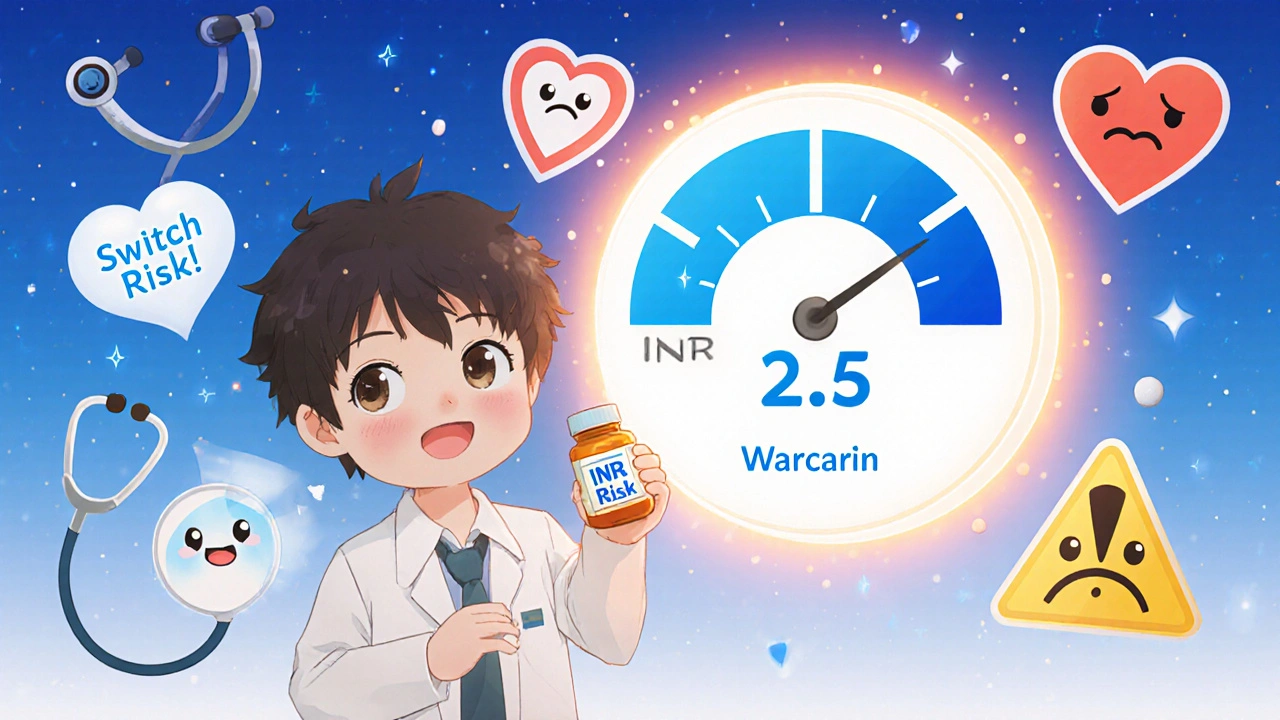
When a drug has a narrow therapeutic index, a small difference between the dose that works and the dose that causes harm. Also known as a narrow therapeutic range, it means your body can’t tolerate much variation—too little won’t help, too much can land you in the hospital. This isn’t about weak drugs. It’s about precision. Medications with this trait are powerful, often lifesaving, but they demand careful handling. Think lithium for bipolar disorder, warfarin for blood clots, or digoxin for heart rhythm. These aren’t over-the-counter supplements. They’re tools that need a skilled hand.
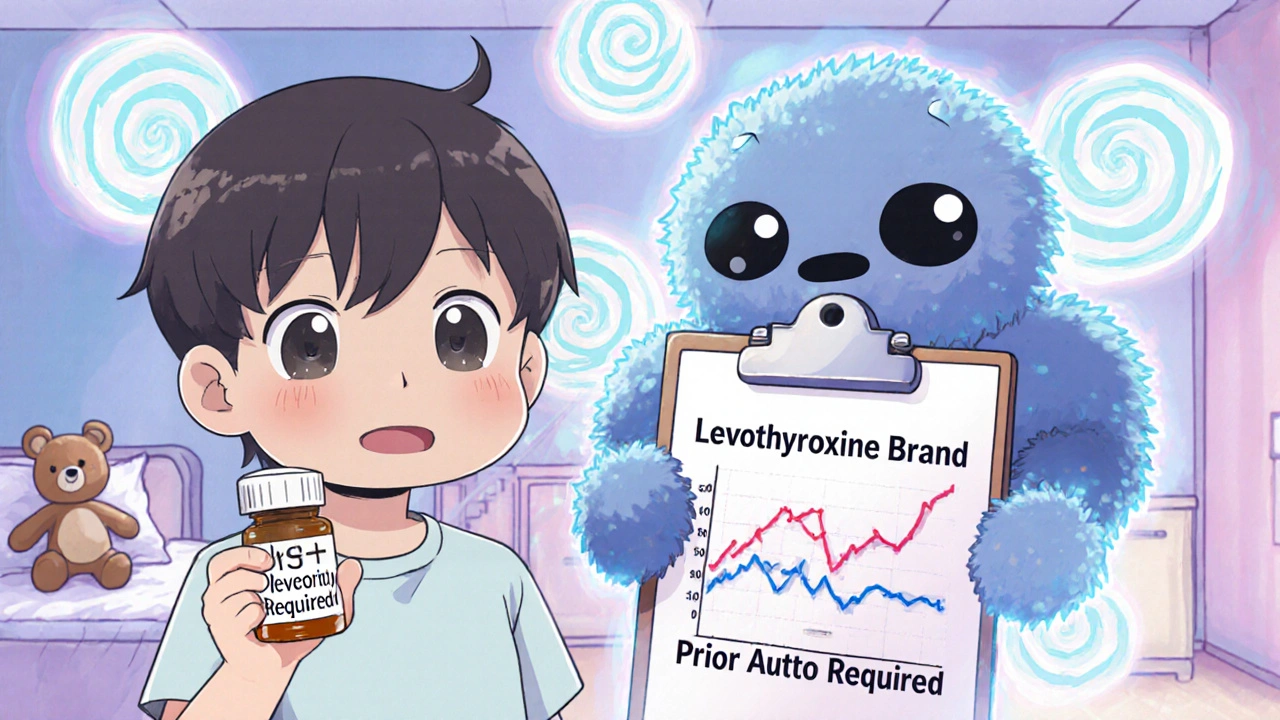
Why does this matter to you? Because many common drugs interact with others in ways that push levels into the danger zone. NSAIDs can spike lithium levels by 60%. Antifungals like itraconazole can turn a safe dose of a narrow-index drug into a liver or kidney threat. Even something as simple as switching from brand to generic—while usually safe—can sometimes cause problems if the formulation isn’t identical. That’s why you’ll see posts here about lithium and NSAIDs, antifungals and liver damage, and why generic drugs aren’t always interchangeable without oversight. These aren’t edge cases. They’re routine risks that get ignored until something goes wrong.
Doctors don’t guess with these drugs. They monitor blood levels. They track symptoms. They ask about every new pill, herb, or supplement you take. And you need to do the same. If you’re on one of these meds, don’t assume your pharmacist or doctor knows every interaction. Keep a list. Ask: "Is this safe with my current meds?" Don’t wait for side effects. If you feel off—dizzy, nauseous, confused, or your heart feels weird—don’t shrug it off. That could be your body screaming that the therapeutic window just got too narrow.
The posts below cover real stories and real risks. You’ll find guides on how to talk to your doctor about tapering safely, why some generics need extra caution, and how drug interactions can quietly turn a safe treatment into a life-threatening one. These aren’t theoretical warnings. They’re lessons from people who lived through them. You’re not just reading about a concept—you’re learning how to protect yourself from a silent danger that hides in plain sight.