Jan, 29 2026
Combining NSAIDs with blood thinners can cause life-threatening bleeding. Learn why this dangerous mix increases bleeding risk by up to 4 times, which painkillers are safe, and what to do if you're already taking both.

When you take warfarin, a prescription anticoagulant used to prevent dangerous blood clots. Also known as Coumadin, it works by slowing down your body’s ability to form clots—critical for people with atrial fibrillation, artificial heart valves, or a history of deep vein thrombosis. But warfarin isn’t like most pills. One wrong food, supplement, or medicine can throw off its effect—and that’s not something you want to guess about.
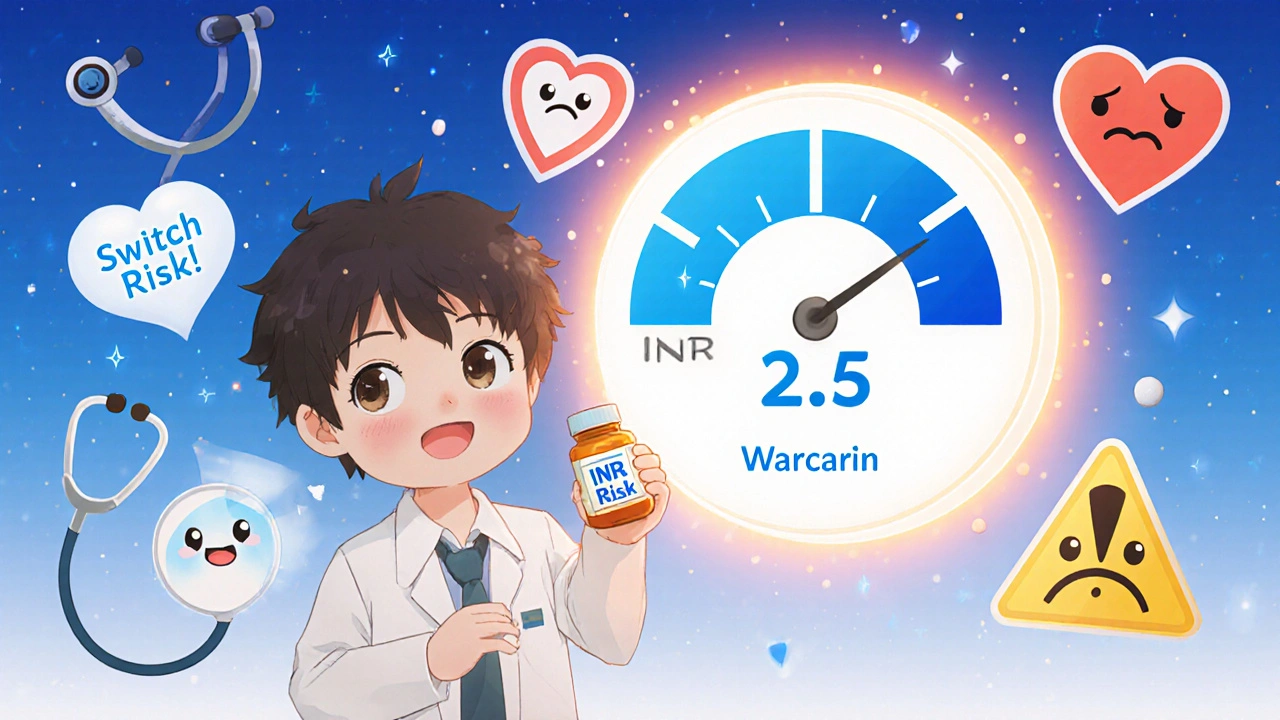
Warfarin’s job depends on something called INR, a blood test that measures how long it takes your blood to clot. International Normalized Ratio is the number your doctor watches closely. Too low, and you risk a stroke or clot. Too high, and you could bleed internally without warning. That’s why regular blood tests aren’t optional—they’re life insurance. And it’s not just about the dose. Vitamin K, a nutrient found in leafy greens like spinach and kale. Phylloquinone, directly fights warfarin’s effect. You don’t have to avoid these foods, but you need to eat them consistently. A salad one day and none for a week? That’s a red flag for your doctor. Even over-the-counter painkillers like ibuprofen or aspirin can spike your bleeding risk. So can some antibiotics, antifungals, and even herbal supplements like garlic or ginkgo. These aren’t just side notes—they’re potential emergencies.
People on warfarin often worry about diet, travel, or surgery. What if you get sick? What if you fall? What if your doctor switches your meds? These aren’t hypotheticals. The posts below cover real situations: how to talk to your doctor about changing your treatment, what happens when warfarin mixes with other drugs like NSAIDs or antifungals, and why generic versions aren’t always interchangeable in practice. You’ll find advice on managing side effects, spotting warning signs, and staying safe when your body’s chemistry is this finely tuned. This isn’t about memorizing rules—it’s about understanding how your body responds to warfarin so you can live without fear, not just without clots.