Understanding moon face caused by corticosteroids, including physiological causes, dietary strategies to reduce swelling, and medical management tips for patients.
Theophylline requires meticulous monitoring due to its narrow therapeutic index. This guide explains why regular blood tests, timed precisely, prevent deadly toxicity while maintaining respiratory symptom control.
Understanding transplant immunosuppression involving tacrolimus, mycophenolate mofetil, and corticosteroids - mechanisms, challenges, alternatives and patient impact.
Seniors on multiple medications are at high risk for duplicate prescriptions after specialist visits. Learn how to prevent dangerous drug overlaps with a simple medication list, one pharmacy, and smart questions to ask your doctor.
Fungal skin infections like Candida and ringworm are common, often misdiagnosed, and require specific treatments. Learn what causes them, how antifungals work, why they recur, and what new treatments are emerging.
Next-generation GLP-1 agents like retatrutide and orforglipron offer unprecedented weight loss-but their side effects remain serious. Learn what’s new, what’s risky, and how to stay safe.
Intra-articular steroid injections offer quick pain relief but carry hidden risks like joint damage, bone loss, and systemic side effects. New research shows they may accelerate arthritis and harm overall health-especially with repeated use.
Vitamin D is more than a bone vitamin - it's a hormone that influences your thyroid, pancreas, and immune system. Learn how much you really need, why blood tests can be misleading, and who should supplement.
Alopecia areata is an autoimmune condition causing sudden, patchy hair loss. Unlike pattern baldness, it can reverse with treatment. Learn about FDA-approved options like JAK inhibitors, corticosteroid injections, and what really works - backed by clinical data and patient experiences.
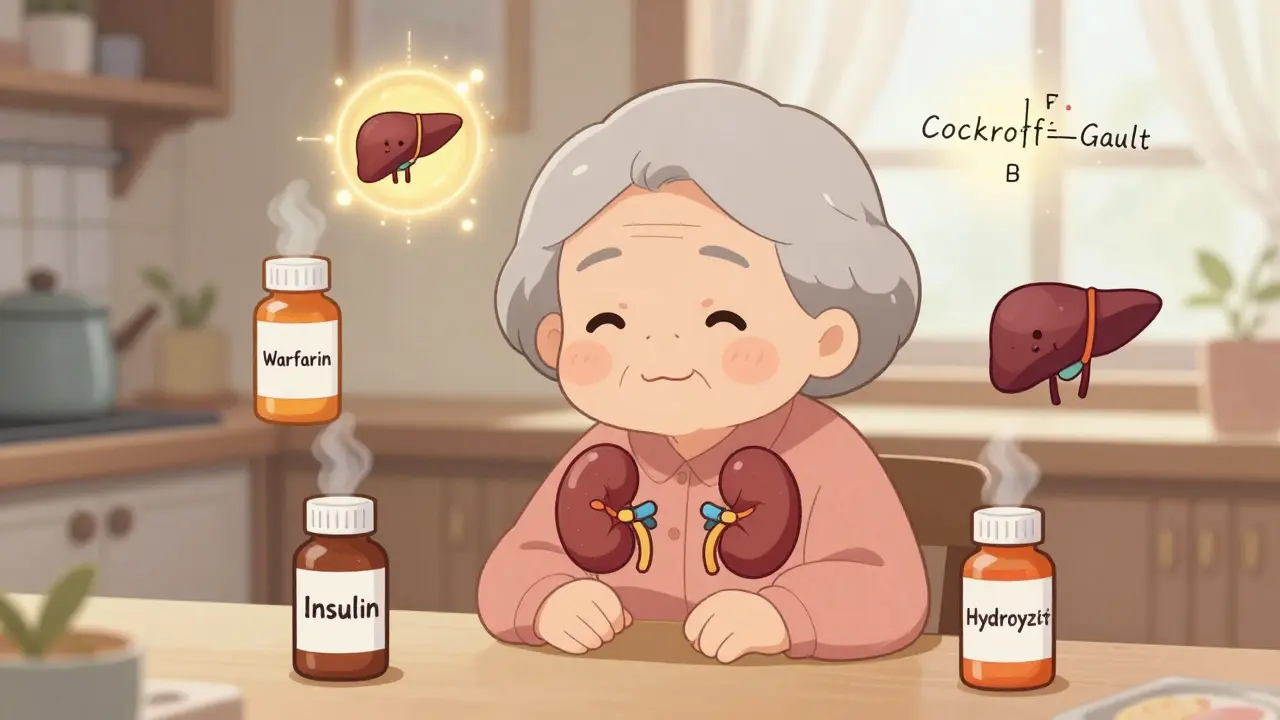
As you age, your body processes medications differently-slower kidneys, weaker liver, and increased sensitivity to drugs can turn standard doses into dangerous overdoses. Learn how to recognize the signs and protect yourself.






 Mar, 16 2026