Home hemodialysis offers flexibility and better health outcomes for kidney patients, but requires rigorous training, a care partner, and careful planning. Learn the schedules, requirements, and real-world outcomes.
Combining NSAIDs with blood thinners can cause life-threatening bleeding. Learn why this dangerous mix increases bleeding risk by up to 4 times, which painkillers are safe, and what to do if you're already taking both.
Learn how to spot counterfeit generic medications and avoid deadly online pharmacy scams. Discover red flags, verified sources, and what to do if you suspect fake pills.
Learn the legal and safe ways to dispose of expired controlled substances and narcotics. Follow DEA regulations to avoid fines, prevent diversion, and protect public health.
Switching from warfarin to a DOAC can reduce bleeding risks and eliminate frequent blood tests-but only if done correctly. Learn the timing, side effects, and safety rules for a smooth transition.
Learn how to spot dangerous changes in expired drugs by checking color, odor, and texture. Simple visual checks can prevent taking degraded or unsafe medications.
Tinnitus causes ringing or buzzing in the ears with no external source. Learn the common causes, how it's diagnosed, and proven management strategies like hearing aids, sound therapy, and CBT to reduce its impact on daily life.
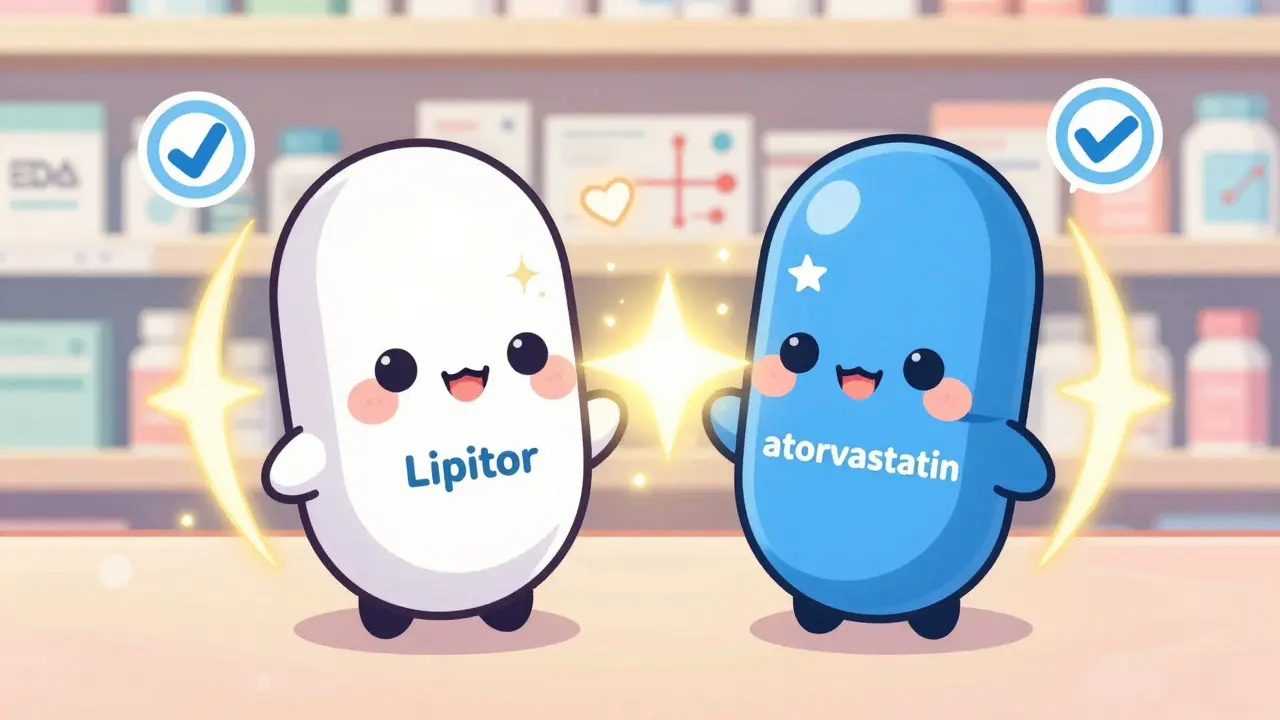
Generic drugs contain the same active ingredients as brand-name drugs and are proven to work just as well. They cost up to 85% less and are held to the same strict FDA standards. Learn how generics compare, why they’re safe, and how to use them confidently.
Most people who think they're allergic to penicillin aren't. Learn the truth about penicillin allergies, how to get tested, and why getting cleared can save your health-and the healthcare system millions.
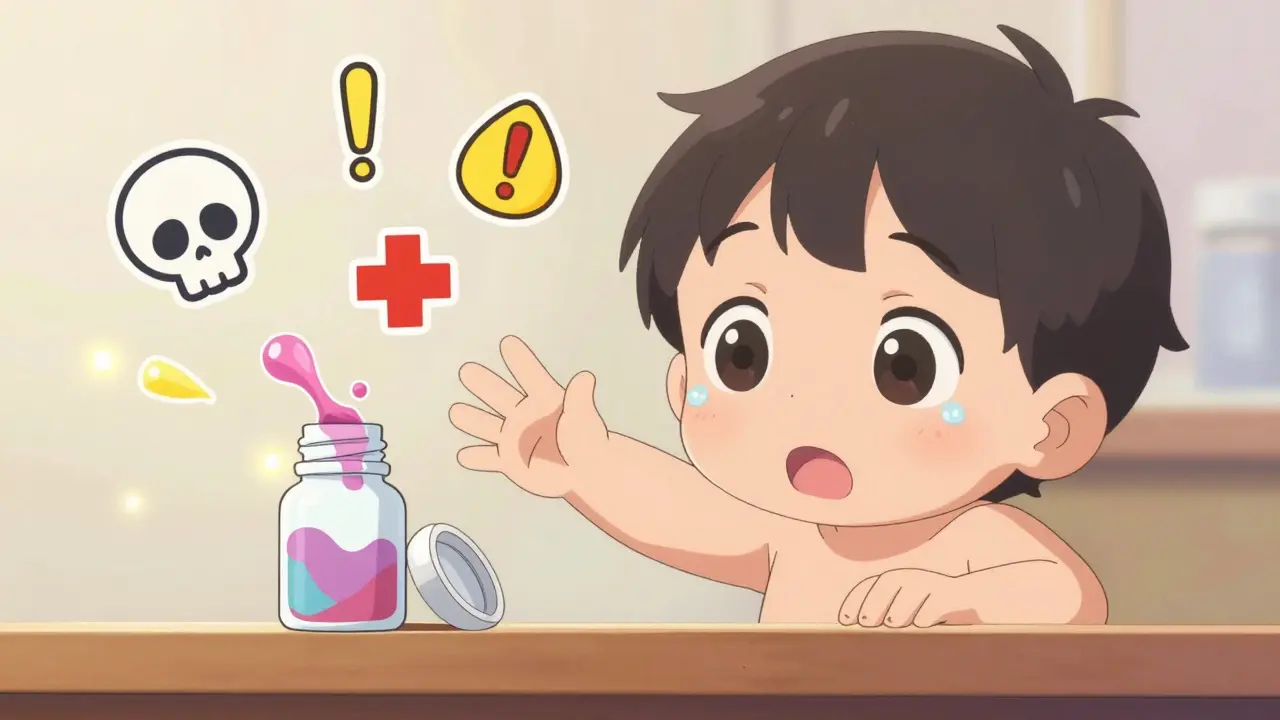
Recognize the hidden signs of pediatric medication overdose-from silent liver damage to sudden breathing failure-and learn exactly when to call Poison Control or 911. Immediate action saves lives.

 Jan, 30 2026