Vitamin D is more than a bone vitamin - it's a hormone that influences your thyroid, pancreas, and immune system. Learn how much you really need, why blood tests can be misleading, and who should supplement.
Alopecia areata is an autoimmune condition causing sudden, patchy hair loss. Unlike pattern baldness, it can reverse with treatment. Learn about FDA-approved options like JAK inhibitors, corticosteroid injections, and what really works - backed by clinical data and patient experiences.
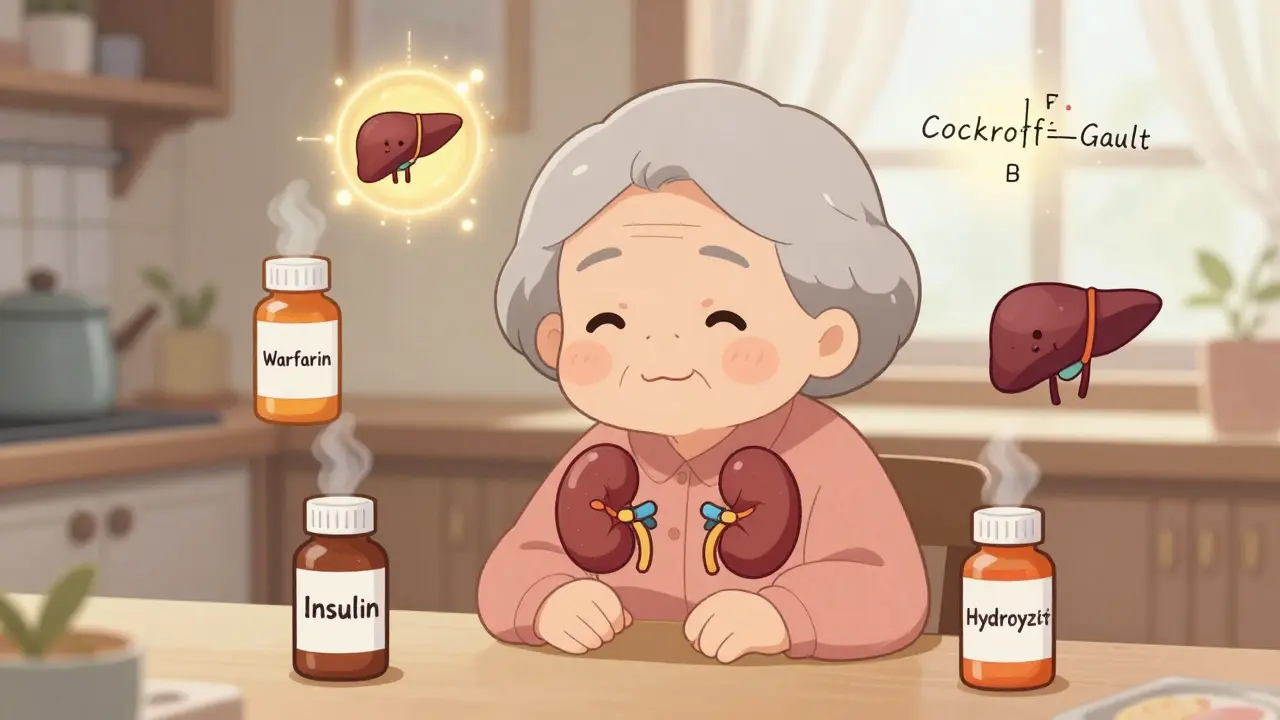
As you age, your body processes medications differently-slower kidneys, weaker liver, and increased sensitivity to drugs can turn standard doses into dangerous overdoses. Learn how to recognize the signs and protect yourself.
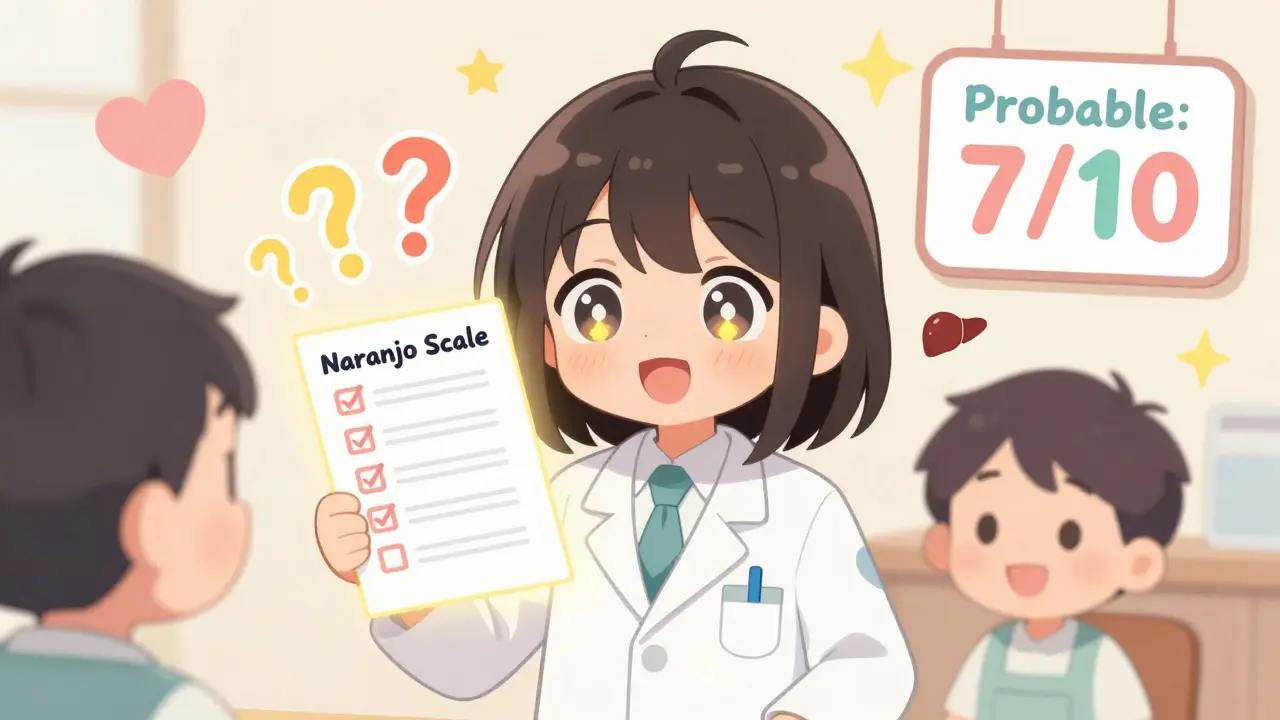
The Naranjo Scale is a proven, 10-question tool used by clinicians worldwide to determine if a drug caused an adverse reaction. Learn how it works, where it shines, and where it falls short in modern medicine.
Antipsychotics can severely worsen movement symptoms in Parkinson’s patients by blocking dopamine. Only clozapine and quetiapine are safer options. Avoid haloperidol, risperidone, and olanzapine. Non-drug strategies often work first.
Iron supplements can block levothyroxine absorption, leading to worsened hypothyroid symptoms. Learn the proven 4-hour timing rule, real-life routines, and how to avoid common mistakes that sabotage your treatment.
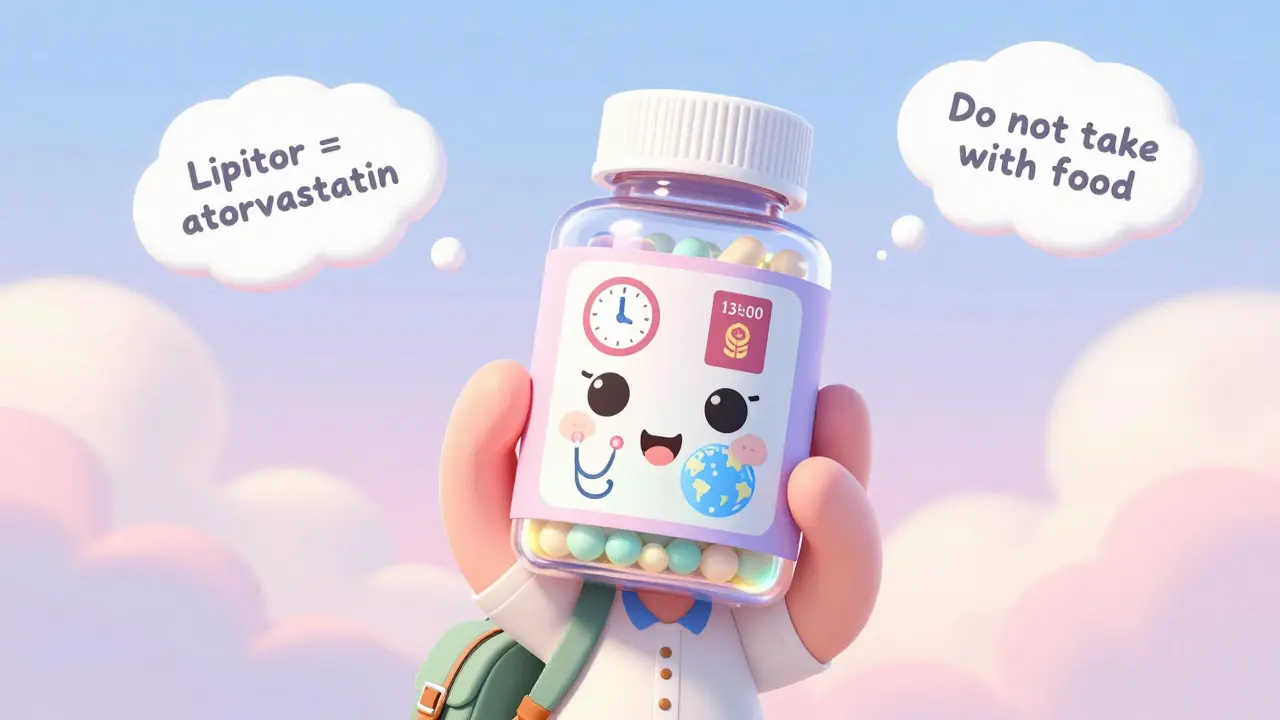
Learn how to read prescription labels for international travel, convert dosing times to UTC, and avoid customs issues. Essential tips for travelers crossing time zones with prescription meds.
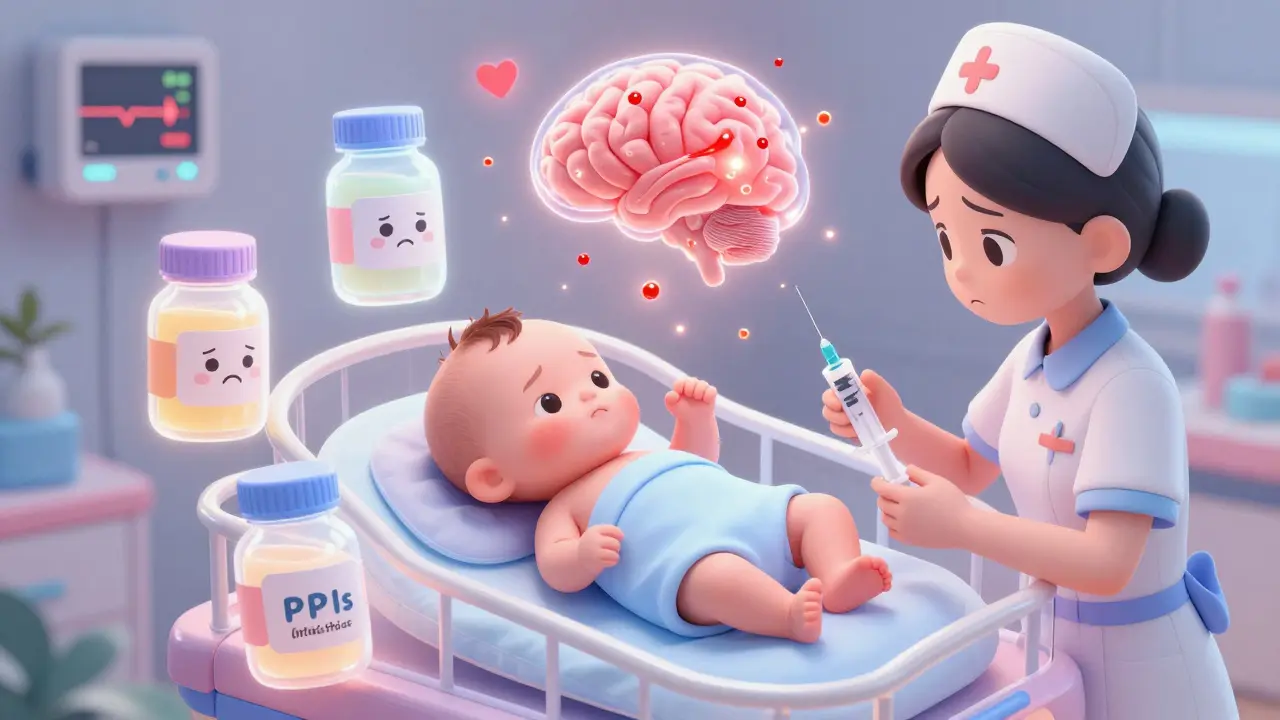
Preterm infants face unique medication risks in the NICU due to immature organs and off-label drug use. Learn how common treatments like antibiotics, caffeine, and reflux meds can have long-term side effects-and what’s being done to fix it.
Statin-induced muscle pain isn't just a minor annoyance - it can be myalgia, myositis, or even a rare autoimmune condition. Learn the differences, how to spot them, and what to do next.
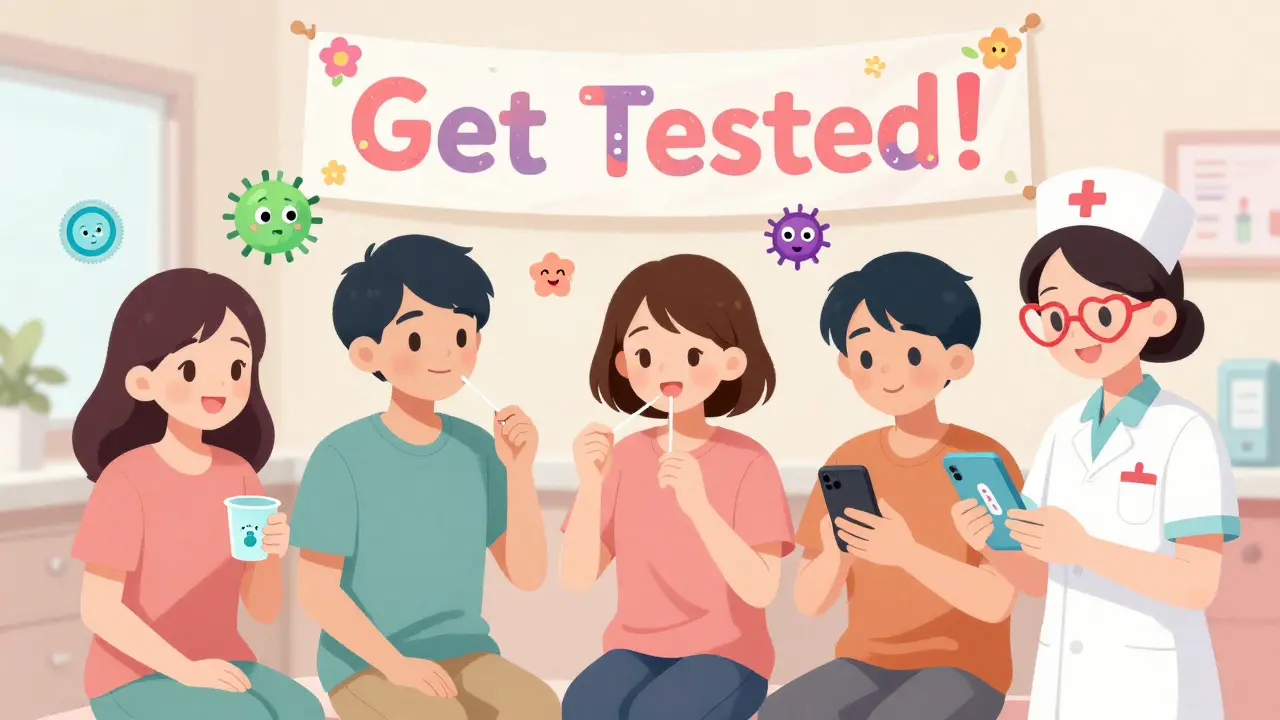
Chlamydia, gonorrhea, and syphilis are common, curable bacterial STIs that often show no symptoms. Learn how they spread, how to test for them, what treatments work today, and why prevention matters more than ever.

 Mar, 14 2026