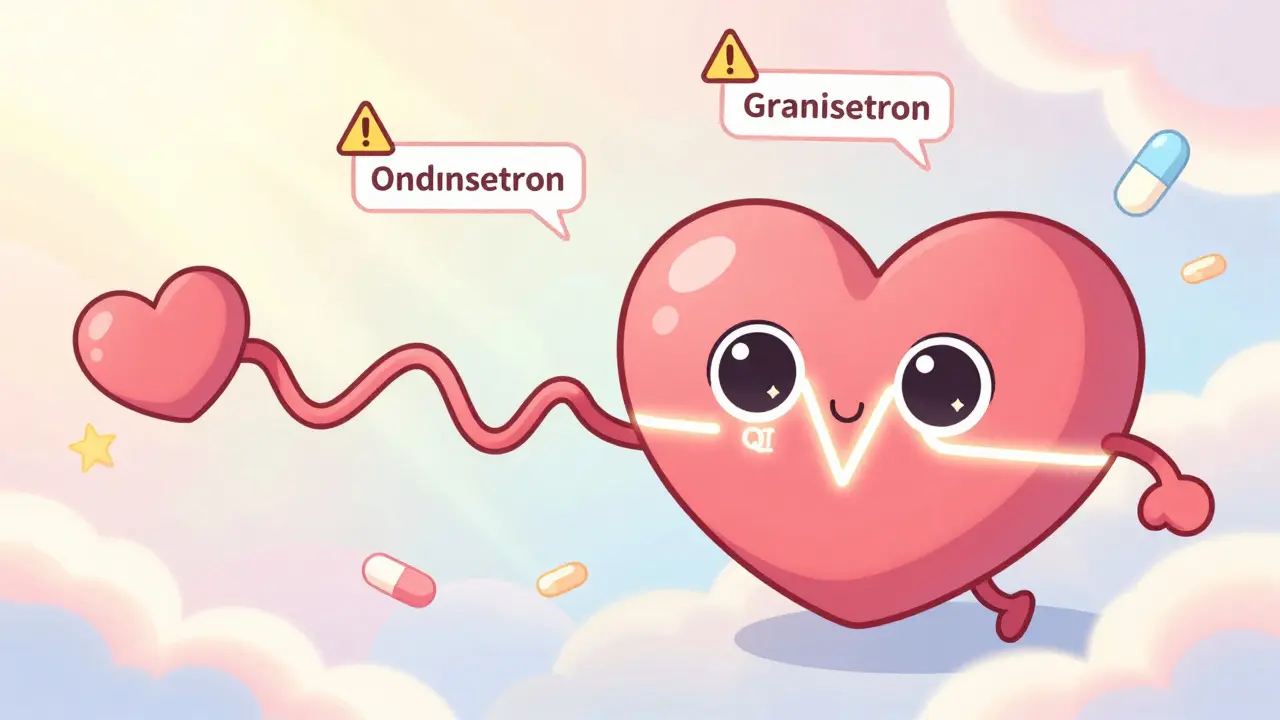
Not all antiemetics are safe. Some can cause dangerous heart rhythms or extreme drowsiness. Learn which drugs carry the highest risk of QT prolongation and sedation - and what safer alternatives exist.
Opioids aren't the best solution for most pain. Learn why non-opioid options like NSAIDs and new drugs like Journavx are safer, just as effective, and now recommended by top medical guidelines.
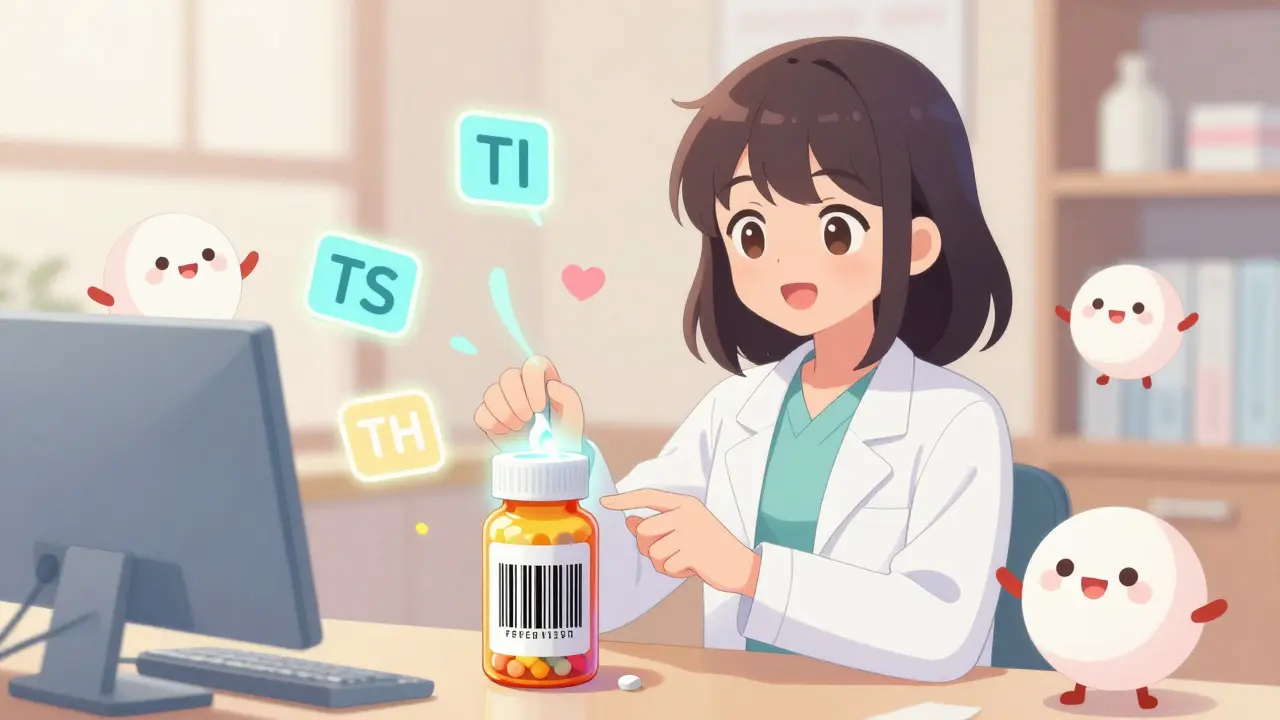
The DSCSA track-and-trace system uses serialized digital codes to prevent counterfeit drugs from reaching patients. Learn how it works, who must comply, and why it's cutting fake medication by 95%.
Discover the truth about generic drugs versus brand names. Learn how bioequivalence standards ensure effectiveness, why generics save billions annually, and when to be cautious. Get clear facts to make informed medication choices.
Learn how to use a simple medication log to track your drug use, avoid dangerous combinations, and prevent accidental overdose. A practical guide for anyone taking prescription or over-the-counter medications.
Combining NSAIDs with blood thinners can cause life-threatening bleeding. Learn why this dangerous mix increases bleeding risk by up to 4 times, which painkillers are safe, and what to do if you're already taking both.
Generic drugs contain the same active ingredients as brand-name drugs and are proven to work just as well. They cost up to 85% less and are held to the same strict FDA standards. Learn how generics compare, why they’re safe, and how to use them confidently.
Most people who think they're allergic to penicillin aren't. Learn the truth about penicillin allergies, how to get tested, and why getting cleared can save your health-and the healthcare system millions.
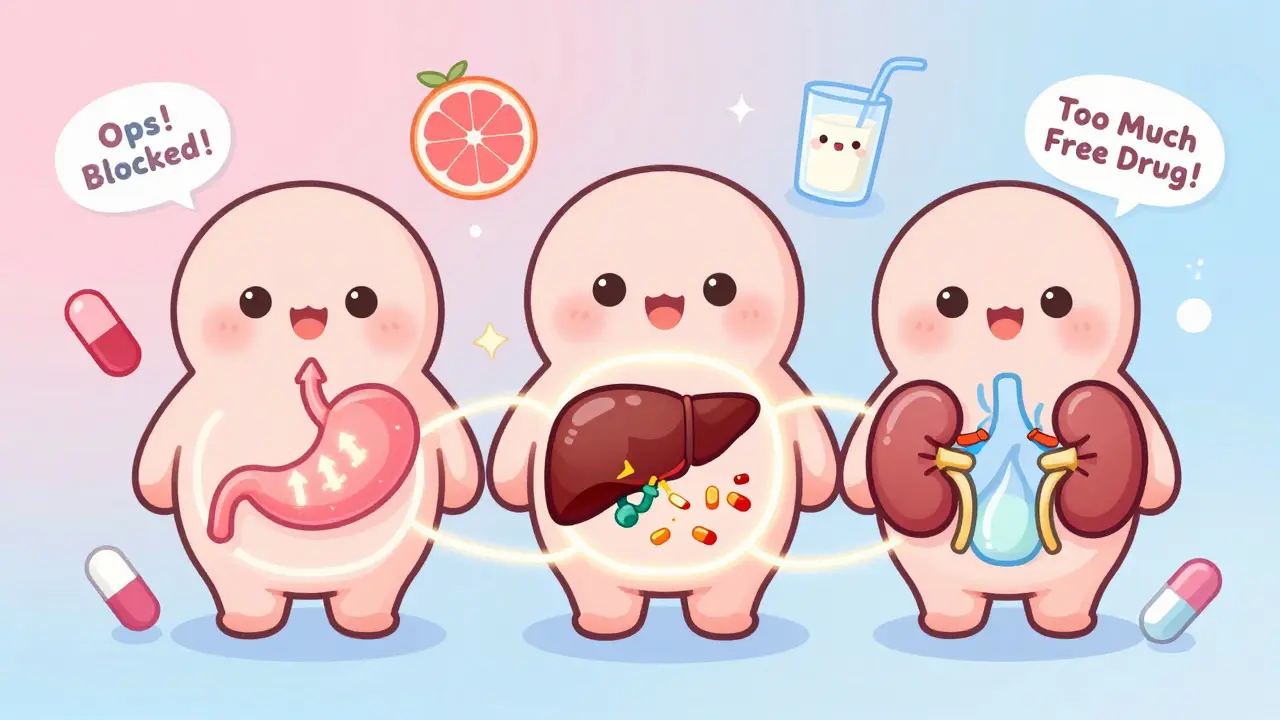
Learn how one medication can change how another moves through your body - and how to avoid dangerous interactions. Simple, clear advice for patients taking multiple drugs.
Medication reminder apps help people take their pills on time, reducing hospital visits and saving lives. Learn which apps work best in 2026, how they improve adherence, and how to use them without feeling overwhelmed.
 Feb, 16 2026